 WhatsApp Us (24/7)
 +91 926 888 0303 (24/7)


To Book an Appointment
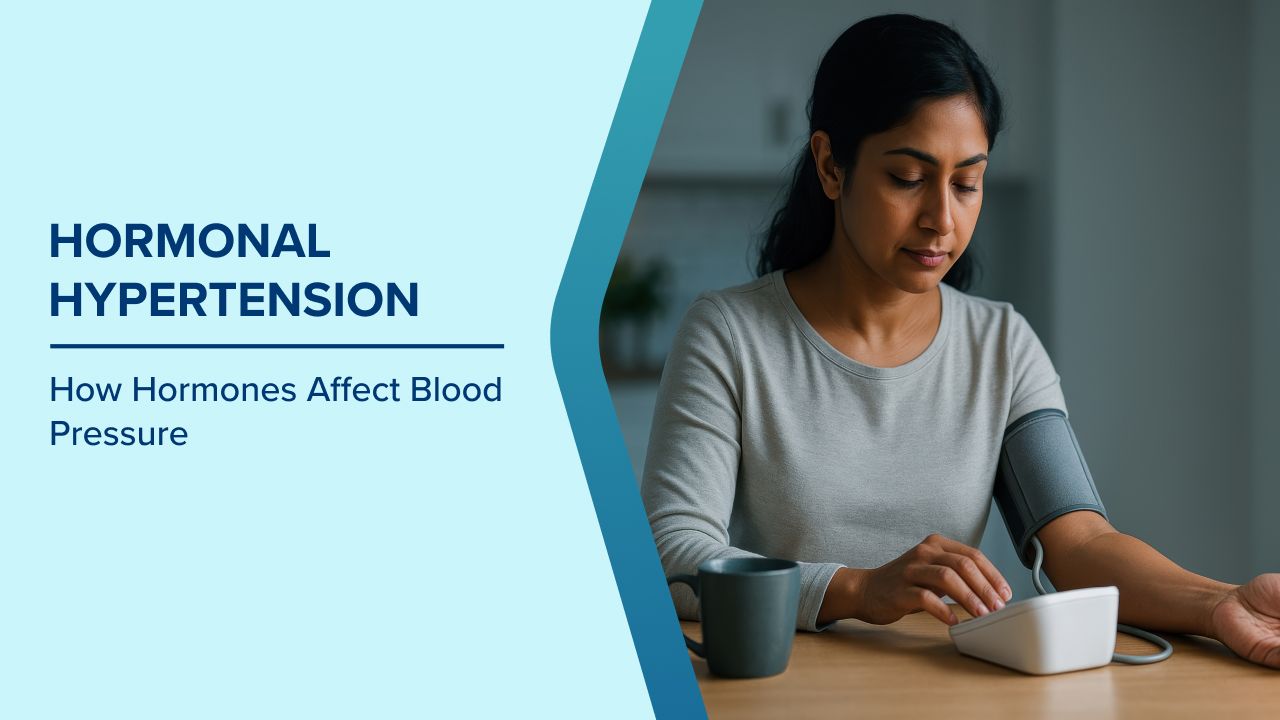
Call Us+91 926 888 0303Hormonal Hypertension: How Hormones Affect Blood Pressure
By Dr. Aprajita Pradhan in Endocrinology & Diabetes
Jun 11 , 2026

High blood pressure is often discussed as a lifestyle condition, something linked to excess salt, stress, lack of exercise, or poor sleep. While these factors do play an important role, they are not always the full story.
In some individuals, the real trigger begins much deeper, within the body’s hormonal system. In these cases, high blood pressure is not simply the result of habits or ageing. Instead, it may be driven by hormonal imbalances that quietly disrupt how the body regulates blood vessels, fluid balance, heart function, and stress responses.
This form of hypertension is often overlooked because the symptoms may appear similar to ordinary high blood pressure. However, the underlying mechanism can be very different.
The Hidden Role of Hormones in Blood Pressure Regulation
Hormones act as the body’s chemical messengers. They help regulate critical functions, such as metabolism, fluid balance, heart rate, stress response, and blood vessel function.
Several hormones directly influence blood pressure by controlling:
- How tightly blood vessels constrict
- How much sodium and water does the body retain
- How strongly the heart pumps
- How the kidneys manage fluid balance
When certain hormones become excessive, deficient, or dysregulated, blood pressure can rise even in people who otherwise maintain healthy routines.
When Hypertension Does Not Follow the “Typical” Pattern
Hormone-related hypertension often behaves differently from conventional high blood pressure.
Some people may notice that:
- Blood pressure becomes elevated suddenly without a clear reason
- Readings remain high despite medication
- Blood pressure fluctuates unpredictably
- Symptoms seem out of proportion to lifestyle factors
- Hypertension appears at a younger age than expected
In these situations, the issue may not begin with lifestyle alone. The body’s hormonal signalling system may be contributing to the problem behind the scenes.
Hormonal Conditions That Can Affect Blood Pressure
Several endocrine conditions are known to influence blood pressure regulation.
Excess Cortisol and the Body’s Stress Response
Cortisol is commonly known as the stress hormone. It plays an important role in helping the body respond to physical and emotional stress.
However, when cortisol levels remain abnormally high, the body may begin to retain more sodium and fluid while blood vessels become more sensitive to stress signals. Over time, this can contribute to persistent hypertension.
People with cortisol-related blood pressure changes may also experience:
- Facial puffiness
- Unexplained weight changes
- Muscle weakness
- Fatigue
- Sleep disturbances
The connection is not always immediately obvious because these symptoms can develop gradually.
Aldosterone and Salt Retention
Aldosterone is a hormone that helps regulate sodium and potassium balance.
When the body produces too much aldosterone, it may hold onto excess sodium and water, increasing blood volume and raising blood pressure.
This type of hormonal hypertension may sometimes be associated with:
- Resistant hypertension
- Low potassium levels
- Muscle cramps
- Fatigue
Because standard blood pressure treatment may not fully address the hormonal cause, diagnosis can sometimes be delayed.
Thyroid Hormones and Circulation
The thyroid gland influences metabolism, heart rate, and circulation.
Both an overactive and an underactive thyroid gland can affect blood pressure in different ways. Changes in thyroid hormone levels may alter:
- Heart function
- Blood vessel resistance
- Fluid regulation
Some individuals with thyroid-related hypertension may first notice symptoms such as:
- Palpitations
- Heat or cold intolerance
- Unexplained anxiety
- Fatigue
- Weight fluctuations
In these cases, hypertension becomes part of a broader hormonal imbalance rather than an isolated condition.
Adrenaline-Related Hormonal Surges
Certain rare hormonal conditions can trigger excessive release of adrenaline-like hormones. This may lead to episodes of:
- Sudden spikes in blood pressure
- Rapid heartbeat
- Sweating
- Tremors
- Severe headaches
- Intense anxiety-like sensations
Because these episodes can resemble panic attacks or stress reactions, the hormonal cause may initially go unnoticed.
Why Hormonal Hypertension Is Sometimes Missed
Hormonal causes of hypertension are often under-recognised because high blood pressure itself is so common.
In many cases:
- Symptoms overlap with everyday stress
- Fatigue is attributed to lifestyle
- Weight changes are considered routine
- Blood pressure is treated without investigating deeper causes
As a result, individuals may spend years managing hypertension without realising that an endocrine imbalance is contributing to it.
Clues That May Suggest a Hormonal Component
While not every case of hypertension is hormone-related, certain patterns may raise suspicion.
These include:
- Blood pressure that is difficult to control
- Hypertension developing at a young age
- Sudden worsening without explanation
- Blood pressure fluctuations accompanied by unusual symptoms
- Strong hormonal or metabolic symptoms alongside hypertension
Recognising these patterns early may help guide more targeted evaluation.
Why Identifying the Root Cause Matters
When hypertension is driven partly by hormones, management may require more than routine lifestyle advice alone.
Addressing the underlying hormonal imbalance can sometimes:
- Improve blood pressure control
- Reduce dependence on multiple medications
- Prevent long-term complications
- Improve overall quality of life
The goal is not only to lower blood pressure readings but also to understand why the body is struggling to regulate them in the first place.
The Link Between Hormones, Stress, and the Nervous System
Hormones and the nervous system are deeply interconnected.
Chronic stress, poor sleep, irregular routines, and ongoing physiological strain can influence hormonal pathways that affect blood pressure regulation. At the same time, hormonal imbalances themselves may increase feelings of anxiety, fatigue, irritability, or restlessness.
This creates a cycle where the body remains in a heightened stress state, placing additional strain on blood vessels and circulation.
Conclusion
Hormones play a powerful but often overlooked role in blood pressure regulation. While lifestyle factors remain important, they are not always the sole explanation for hypertension.
In some cases, hormonal imbalances involving cortisol, aldosterone, thyroid hormones, or adrenal stress responses may quietly contribute to rising blood pressure. Recognising these connections is important, especially when hypertension appears unusual, resistant to treatment, or accompanied by broader physical changes.
Understanding hypertension through a hormonal lens encourages a more personalised and medically informed approach, one that looks beyond habits alone and focuses on the body’s deeper regulatory systems.
Frequently Asked Questions
1. Can hormones really cause high blood pressure?
Yes, certain hormonal imbalances can directly affect blood vessel function, fluid balance, and heart activity, all of which influence blood pressure.
2. Is hormone-related hypertension common?
Lifestyle-related hypertension is more common overall, but hormonal causes are important to identify because they may require different treatment approaches.
3. Can thyroid problems affect blood pressure?
Yes, both overactive and underactive thyroid conditions can influence circulation and blood pressure regulation.
4. Why does some high blood pressure not improve despite lifestyle changes?
In some cases, underlying hormonal or medical conditions may be contributing to hypertension, making it harder to control through lifestyle changes alone.
5. Are stress hormones linked to blood pressure spikes?
Yes, hormones involved in the body’s stress response can temporarily or persistently raise blood pressure when dysregulated.
6. Should younger individuals with hypertension consider hormonal evaluation?
In certain situations, especially when blood pressure is unusually high, difficult to control, or associated with other unexplained symptoms, doctors may investigate hormonal causes.
Written and Verified by:

Related Blogs

Dr. Vaishakhi Rustagi In Endocrinology & Diabetes , Paediatric (Ped) Endocrinology , Nutrition And Dietetics
Nov 08 , 2020 | 1 min read

Dr. Vaishakhi Rustagi In Endocrinology & Diabetes , Paediatric (Ped) Endocrinology
Nov 08 , 2020 | 2 min read
Blogs by Doctor

How Stress Affect Your Hormones: Natural Ways to Restore Balance
Dr. Aprajita Pradhan In Endocrinology & Diabetes
Apr 25 , 2025 | 3 min read
Insulin Resistance: Causes, Early Signs & Natural Ways to Reverse It
Dr. Aprajita Pradhan In Endocrinology & Diabetes
Aug 04 , 2025 | 2 min read
Most read Blogs


Related Blogs
Dr. Vaishakhi Rustagi In Endocrinology & Diabetes , Paediatric (Ped) Endocrinology , Nutrition And Dietetics
Nov 08 , 2020 | 1 min read
Dr. Vaishakhi Rustagi In Endocrinology & Diabetes , Paediatric (Ped) Endocrinology
Nov 08 , 2020 | 2 min read
Blogs by Doctor
How Stress Affect Your Hormones: Natural Ways to Restore Balance
Dr. Aprajita Pradhan In Endocrinology & Diabetes
Apr 25 , 2025 | 3 min read
Insulin Resistance: Causes, Early Signs & Natural Ways to Reverse It
Dr. Aprajita Pradhan In Endocrinology & Diabetes
Aug 04 , 2025 | 2 min read
Most read Blogs