 WhatsApp Us (24/7)
 +91 926 888 0303 (24/7)


To Book an Appointment
Call Us+91 926 888 0303Why Uncontrolled Blood Pressure is the Leading Risk Factor for Kidney Failure
By Dr. Vishal Saxena in Nephrology , Kidney Transplant
Sep 12 , 2025 | 2 min read
1

High blood pressure, also known as hypertension, is often called the “silent killer” because it shows no symptoms until it has already caused significant harm. Most people link high blood pressure to heart disease and stroke, but it is also the main cause of kidney failure globally.
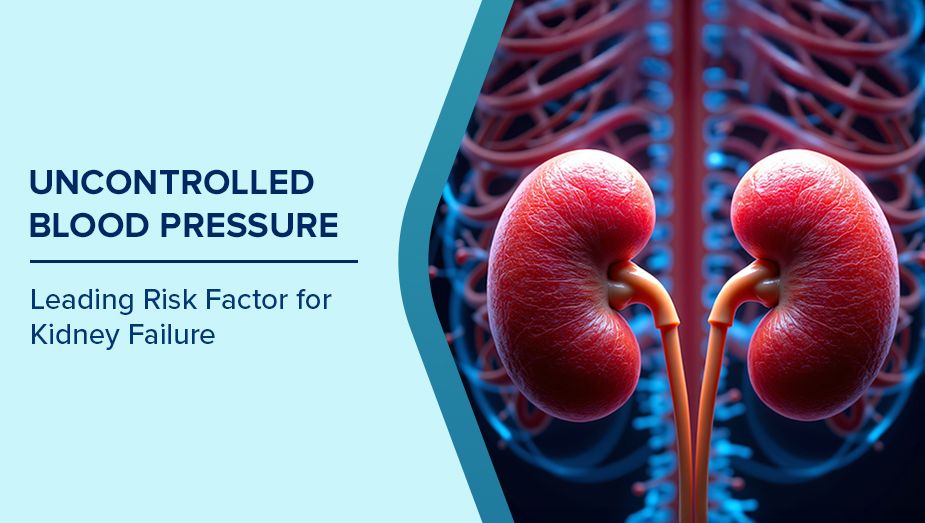
The kidneys are essential organs that work as the body’s natural filters, clearing out waste products and extra fluids from the bloodstream. When blood pressure remains high for a long time, this delicate filtering system becomes damaged, leading to chronic kidney disease (CKD) and, in severe cases, kidney failure.
How High Blood Pressure Damages the Kidneys
The kidneys contain millions of tiny blood vessels called glomeruli that filter blood. These vessels function like a fine sieve, ensuring the body eliminates toxins while retaining essential nutrients. When blood pressure is consistently high, the extra force of blood flow can:
- Weaken and narrow the small blood vessels in the kidneys
- Reduce blood supply, limiting the kidneys’ ability to remove waste
- Cause scarring (nephrosclerosis), which further damages kidney tissue
When the kidneys start to lose their ability to work properly, waste materials begin to accumulate in the body. This creates a harmful cycle: damaged kidneys make blood pressure harder to control, and uncontrolled blood pressure accelerates kidney damage.
The Link Between Hypertension and Kidney Failure
Nearly one in three people with uncontrolled hypertension may develop kidney disease. In many countries, hypertension is the primary reason patients require dialysis or a kidney transplant.
The challenge lies in the fact that kidney damage develops silently. Most individuals do not notice symptoms until kidney disease has reached an advanced stage. Some late warning signs may include:
- Swelling in the ankles, feet, or hands
- Fatigue and weakness
- Nausea or reduced appetite
- Changes in urination patterns
By the time these symptoms appear, significant kidney damage may already have occurred.
Who Is at Higher Risk?
While anyone with uncontrolled blood pressure is vulnerable, the risk is higher in people who also have:
- Diabetes
- A family history of kidney disease or hypertension
- Obesity or unhealthy lifestyle habits
- High salt intake and low physical activity
Identifying these risk factors early makes it possible to take preventive action.
Steps to Protect Kidney Health
Managing blood pressure reduces the risk of kidney disease and failure. Practical measures include:
- Regular monitoring: Check blood pressure at home or during routine health visits to detect changes early.
- Balanced diet: Limit salt, processed foods, and red meat. Include more fruits, vegetables, and whole grains.
- Physical activity: Aim for at least 30 minutes of exercise, such as walking, on most days.
- Healthy weight management: Maintaining a healthy weight makes blood pressure easier to control.
- Avoid tobacco and excess alcohol: Both can raise blood pressure and harm kidney function.
- Medication adherence: Take prescribed medicines regularly, even when you feel well.
- Kidney function tests: If you have hypertension, diabetes, or other risk factors, regular testing helps track kidney health.
Conclusion
Uncontrolled blood pressure can silently damage the kidneys over the years, making it the most common cause of kidney failure. Since symptoms often appear late, prevention is the best approach. By keeping blood pressure under control through healthy lifestyle choices, regular monitoring, and medical care, it is possible to protect not only the heart and brain but also the kidneys, the body’s natural filters that play a vital role in overall health.
Written and Verified by:

Related Blogs

Dr. Puneet Arora In Nephrology
Nov 11 , 2020 | 2 min read

Nov 11 , 2020 | 9 min read
Blogs by Doctor

From Dialysis to New Life: Understanding Benefits of Kidney Transplant
Dr. Vishal Saxena In Nephrology , Kidney Transplant
Oct 27 , 2025 | 2 min read
Most read Blogs


Related Blogs
Dr. Puneet Arora In Nephrology
Nov 11 , 2020 | 2 min read
Nov 11 , 2020 | 9 min read
Blogs by Doctor
From Dialysis to New Life: Understanding Benefits of Kidney Transplant
Dr. Vishal Saxena In Nephrology , Kidney Transplant
Oct 27 , 2025 | 2 min read
Most read Blogs