 WhatsApp Us (24/7)
 +91 926 888 0303 (24/7)


To Book an Appointment
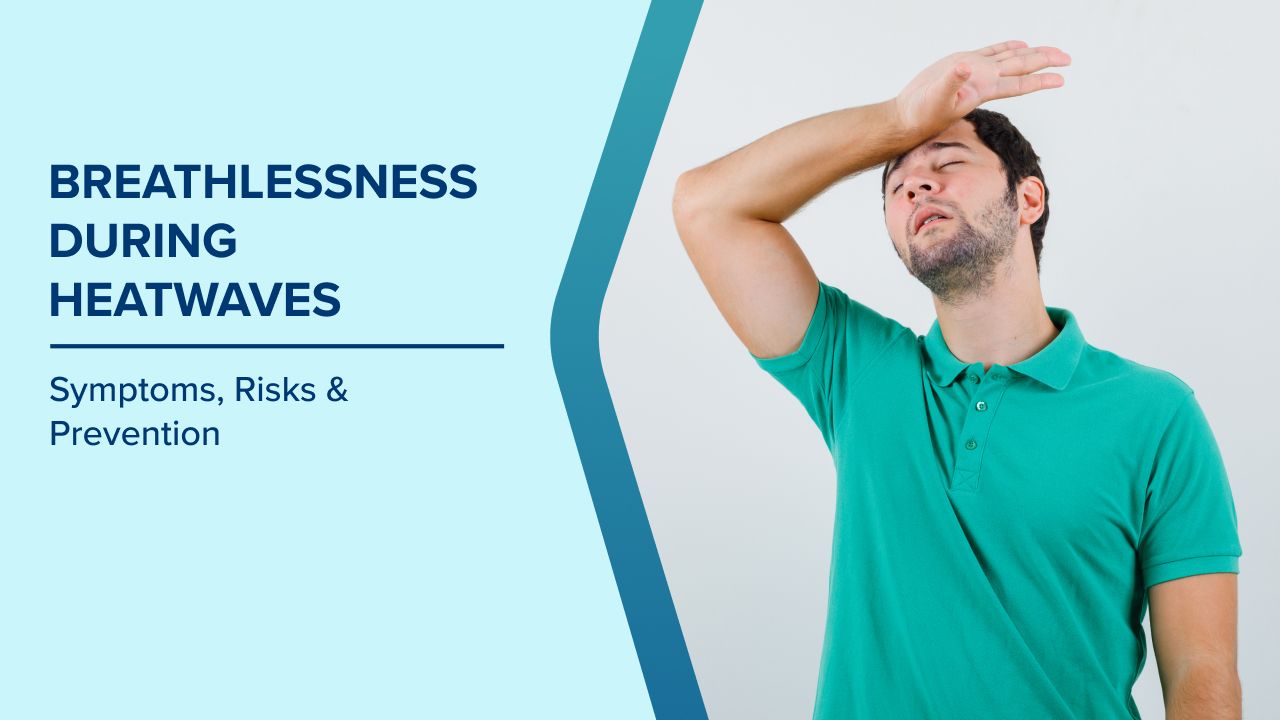
Call Us+91 926 888 0303Breathlessness During Heatwaves: Symptoms, Risks & Prevention
By Dr. Nevin Kishore in Pulmonology
Jun 11 , 2026
1

As temperatures continue to rise during summer, heatwaves are becoming a growing health concern across many regions. While most people associate heatwaves with dehydration and heatstroke, extreme heat can also affect the respiratory system, leading to breathlessness or difficulty breathing.
At Max Hospital, specialists often observe an increase in heat-related respiratory complaints during peak summer months, especially among older adults and individuals with existing lung or heart conditions. Understanding how heatwaves impact breathing can help individuals recognise warning signs early and take preventive measures to stay safe.
What Is a Heatwave?
A heatwave is a prolonged period of excessively high temperatures, often accompanied by high humidity. During a heatwave, the body has to work harder to maintain a normal internal temperature.
Extreme heat places stress on multiple organs, including the lungs and heart, which may lead to symptoms such as:
- Shortness of breath
- Fatigue
- Dizziness
- Rapid heartbeat
- Excessive sweating
- Weakness
In vulnerable individuals, these symptoms can become severe and require medical attention.
Can Heatwaves Really Cause Breathlessness?
Yes, heatwaves can contribute to breathing difficulties. Hot temperatures, humid air, dehydration, and increased pollution levels can all affect how efficiently the lungs and heart function.
For some individuals, especially those with asthma, chronic obstructive pulmonary disease (COPD), allergies, or cardiovascular disease, extreme heat may worsen existing conditions and trigger episodes of breathlessness.
Even healthy individuals may experience discomfort while breathing during periods of intense heat and humidity.
How Heatwaves Affect Breathing
Hot Air Can Irritate the Airways
Breathing very hot air may irritate the respiratory tract and inflame sensitive airways. This can lead to symptoms such as:
- Wheezing
- Chest tightness
- Coughing
- Difficulty breathing
People with asthma or chronic respiratory illnesses are especially vulnerable because their airways are already more sensitive.
Humidity Makes Breathing More Difficult
High humidity levels during heatwaves can make the air feel heavier and harder to breathe. Humid air reduces the body’s ability to cool itself through sweating, increasing physical stress.
For people with lung conditions, humid weather may worsen breathlessness because the lungs have to work harder to absorb oxygen.
Air Pollution Levels Often Rise
Heatwaves are frequently associated with increased levels of air pollution and ground-level ozone. Polluted air can irritate the lungs and trigger respiratory symptoms, particularly in crowded urban environments.
Exposure to polluted hot air may increase the risk of:
- Asthma attacks
- COPD flare-ups
- Allergic reactions
- Lung irritation
People spending long hours outdoors during extreme heat may be at higher risk.
Dehydration Can Affect Lung Function
Excessive sweating during heatwaves can lead to fluid loss and dehydration. When the body becomes dehydrated, mucus in the respiratory tract can become thicker, making breathing more difficult.
Dehydration can also reduce blood circulation and oxygen delivery, contributing to fatigue and shortness of breath.
Heat Increases the Workload on the Heart and Lungs
During hot weather, the heart pumps harder to help cool the body. This extra effort places additional strain on both the cardiovascular and respiratory systems.
Individuals with heart disease may experience:
- Breathlessness
- Chest discomfort
- Rapid pulse
- Fatigue
Severe heat stress can sometimes lead to medical emergencies if not treated promptly.
Who Is Most Vulnerable?
Certain groups are more likely to experience heat-related breathing problems, including:
- Older adults
- Infants and young children
- People with asthma or COPD
- Individuals with heart disease
- Outdoor workers
- People with obesity
- Individuals with weakened immunity
These individuals should take extra precautions during heatwaves.
Warning Signs You Should Not Ignore
Seek immediate medical attention if breathlessness during a heatwave is accompanied by:
- Chest pain
- Severe wheezing
- Bluish lips or fingertips
- Confusion or fainting
- Rapid heartbeat
- Difficulty breathing at rest
- Extreme fatigue or dizziness
These symptoms may indicate heat exhaustion, heatstroke, or worsening respiratory or cardiac conditions.
Tips to Prevent Heat-Related Breathlessness
Stay Hydrated
Drink water regularly throughout the day to prevent dehydration. Proper hydration helps regulate body temperature and supports healthy lung function.
Avoid excessive caffeine and alcohol, as they may contribute to fluid loss.
Avoid Outdoor Exposure During Peak Heat
Try to remain indoors during the hottest hours of the day, usually between late morning and afternoon.
If outdoor activity is unavoidable:
- Wear light clothing
- Use umbrellas or hats
- Take frequent breaks in shaded areas
Keep Indoor Spaces Cool
Use fans, air conditioning, cool showers, and proper ventilation to reduce indoor heat exposure.
Maintaining a cool indoor environment can help ease breathing and reduce stress on the body.
Monitor Air Quality
Check local air quality levels during heatwaves. If pollution levels are high, reduce outdoor activities and wear protective masks if necessary.
Continue Medical Treatment
Individuals with asthma, COPD, or heart disease should continue their prescribed medications and keep emergency inhalers or other medications accessible.
Regular follow-ups with healthcare providers are important during hot weather seasons.
When to Consult a Doctor?
Persistent or worsening breathlessness should never be ignored, especially during extreme weather conditions. Early medical evaluation can help identify underlying causes and prevent serious complications.
At Max Hospital, specialists recommend seeking timely medical advice if breathing difficulties interfere with daily activities or worsen during hot weather.
Conclusion
Heatwaves can place significant stress on the respiratory and cardiovascular systems, making breathlessness a common but important symptom during extreme summer temperatures. Factors such as hot air, humidity, dehydration, and pollution can all contribute to difficulty breathing, especially in vulnerable individuals.
At Max Hospital, healthcare experts emphasise the importance of staying hydrated, avoiding excessive heat exposure, and recognising early warning signs of heat-related illness. Taking preventive measures and seeking timely medical care can help protect respiratory health during periods of extreme heat.
Written and Verified by:

Related Blogs

Medical Expert Team
Jun 06 , 2015 | 2 min read

Blogs by Doctor

Pulmonary Edema: Causes, Symptoms and Treatment
Dr. Nevin Kishore In Pulmonology
Mar 21 , 2024 | 12 min read
Pneumonia: Why it Becomes Dangerous After 60
Dr. Nevin Kishore In Pulmonology
Nov 13 , 2025 | 2 min read
Most read Blogs


Related Blogs
Medical Expert Team
Jun 06 , 2015 | 2 min read
Blogs by Doctor
Pulmonary Edema: Causes, Symptoms and Treatment
Dr. Nevin Kishore In Pulmonology
Mar 21 , 2024 | 12 min read
Pneumonia: Why it Becomes Dangerous After 60
Dr. Nevin Kishore In Pulmonology
Nov 13 , 2025 | 2 min read
Most read Blogs