 WhatsApp Us (24/7)
 +91 926 888 0303 (24/7)


To Book an Appointment
Call Us+91 926 888 0303How Cold Weather Affects Asthma: Symptoms & Risk
By Medical Expert Team
Dec 29 , 2025 | 6 min read

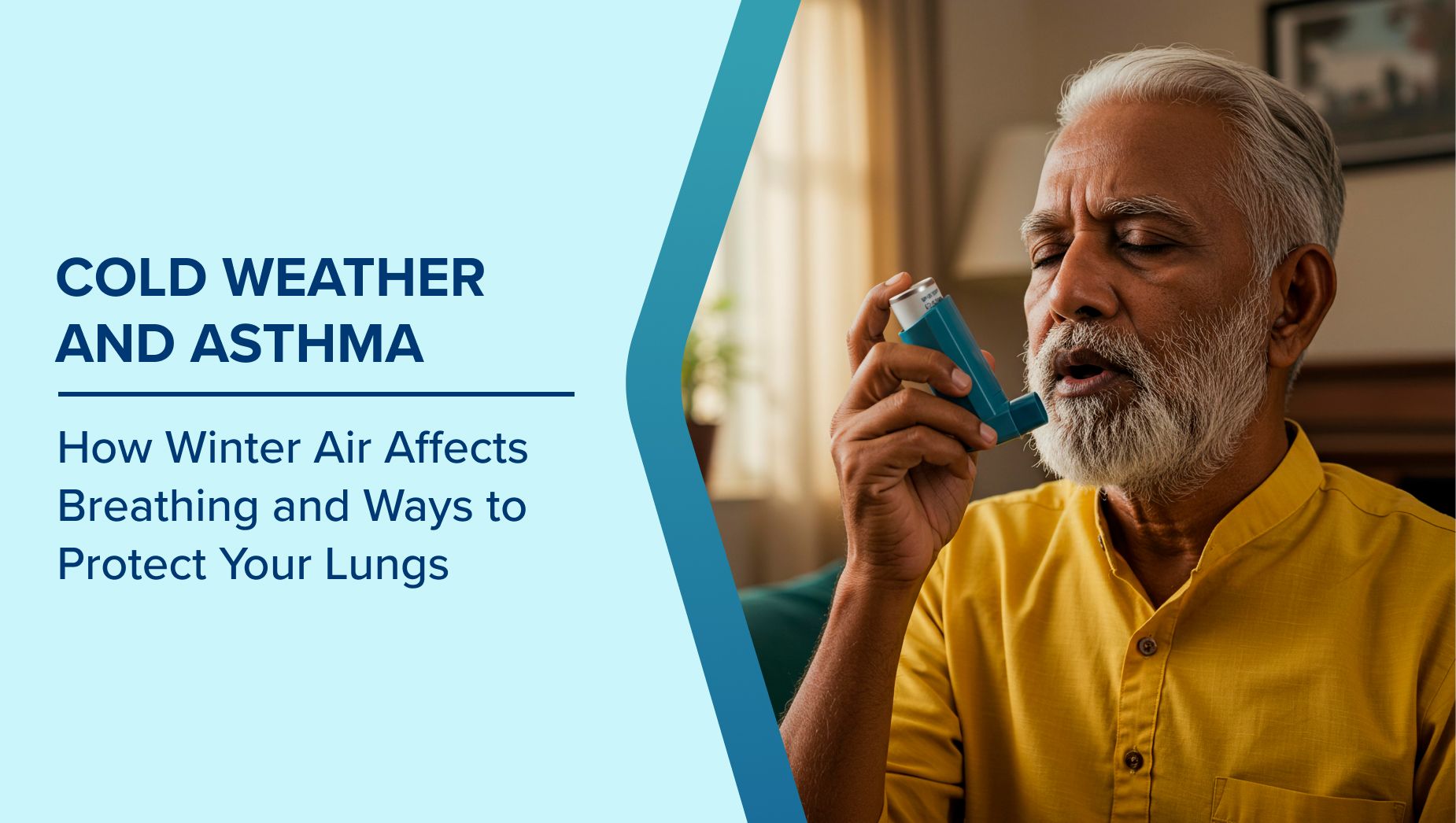
Asthma is a condition that changes with the seasons. Many people notice that their breathing becomes more difficult as temperatures drop. Cold weather is one of the most common asthma triggers, yet it is often underestimated. People may assume that coughing or chest tightness during winter is normal, but for someone with asthma, cold air can quietly worsen symptoms and increase the risk of flare-ups.
Why Asthma Symptoms Increase in Cold Weather
Asthma symptoms often worsen during winter because cold air behaves very differently from warm air. Cold air is dry and dense. When it enters the lungs, it can irritate sensitive airways. For people with asthma, these airways are already prone to swelling and narrowing.
Winter also brings more respiratory infections, indoor air pollution, and reduced physical activity. Together, these factors increase breathing problems and make asthma harder to control. Many people focus only on infections, overlooking the role of cold air itself.
What Happens Inside the Lungs When Cold Air Is Inhaled
When you breathe in cold air, several changes occur inside the lungs.
The airways lose moisture quickly. This drying effect irritates the lining of the bronchial tubes. In response, the muscles around the airways tighten. The lining may also swell and produce more mucus.
For someone without asthma, these changes may cause mild discomfort. For someone with asthma, they can lead to wheezing, coughing, chest tightness, and shortness of breath. This reaction can happen within minutes of exposure to cold air.
Why Cold Air Triggers Asthma Attacks More Easily
Cold air is a strong asthma trigger because it affects three key areas at once.
- First, it cools and dries the airways. This makes them more sensitive and reactive.
- Second, cold air increases airway inflammation. Inflamed airways narrow more easily, reducing airflow.
- Third, cold air often leads to mouth breathing. When air bypasses the nose, it reaches the lungs without being warmed or filtered.
Together, these effects make asthma attacks more likely, especially during outdoor activities or early morning hours.
Common Winter Asthma Symptoms People Ignore
Many people dismiss early asthma symptoms during winter, assuming they are part of the season. Ignoring these signs can delay proper care.
Common symptoms include:
- Frequent coughing, especially at night
- Mild wheezing after exposure to cold air
- Chest tightness during walks or exercise
- Shortness of breath when stepping outdoors
- Increased need for quick relief inhalers
These symptoms signal that the lungs are reacting to cold air and need better protection.
Difference Between Cold Weather Asthma and Seasonal Allergies
Cold-weather asthma and seasonal allergies can look similar, but they have different triggers.
Asthma symptoms are caused by airway narrowing and inflammation. Cold air directly irritates the lungs, leading to breathing difficulty.
Seasonal allergies are triggered by allergens such as pollen or dust. Symptoms usually include sneezing, itching, and watery eyes.
In winter, allergies often reduce, but asthma symptoms may increase. If breathing problems worsen in cold air without classic allergy signs, asthma is more likely the cause.
Who Is Most at Risk During Winter Months
Some people are more vulnerable to cold-weather asthma symptoms. Higher risk groups include:
- People with long-standing asthma
- Children whose airways are still developing
- Older adults with reduced lung function
- Individuals with a history of severe asthma attacks
- People who exercise outdoors in cold weather
Understanding personal risk helps in planning better protection during winter.
How Cold Air Affects Children, the Elderly, and Chronic Asthma Patients
Children often breathe faster and spend more time outdoors. Cold air can trigger coughing and wheezing quickly, sometimes without warning. They may struggle to explain breathing discomfort, which makes early signs easy to miss.
Older adults may have weaker respiratory muscles and reduced lung elasticity. Cold air can worsen breathlessness and increase fatigue.
People with chronic asthma often have ongoing airway inflammation. Cold air adds another layer of stress, making symptom control more difficult even with regular medication.
Everyday Winter Habits That Silently Worsen Asthma
Some daily habits during winter can make asthma symptoms worse without people realising it.
These include:
- Stepping outside without covering the mouth and nose
- Exercising outdoors in cold mornings
- Using indoor heaters without ventilation
- Staying indoors with dust and pet dander buildup
- Skipping regular asthma medication when symptoms feel mild
Small changes in daily routines can have a big impact on breathing comfort.
Simple Ways to Protect Lungs From Cold Air Exposure
Protecting your lungs in winter does not require complicated measures. Consistency matters more than intensity.
Helpful steps include:
- Covering the nose and mouth with a scarf when outdoors
- Breathing through the nose to warm the air
- Avoiding sudden exposure to very cold air
- Limiting outdoor activity during extreme cold
- Warming up indoors before physical activity
These actions help reduce airway irritation and lower the risk of asthma flare-ups.
Breathing Techniques That Help in Cold Weather
Breathing patterns can influence how the lungs respond to cold air.
Slow nasal breathing helps warm and humidify air before it reaches the lungs. Pursed lip breathing can reduce shortness of breath during exertion. Diaphragmatic breathing supports better oxygen exchange and reduces chest tightness.
Practising these techniques regularly can improve control over breathing in cold conditions.
Importance of Indoor Air Quality During Winter
Winter often means spending more time indoors. Indoor air quality becomes just as important as outdoor air.
Dust, smoke, strong fragrances, and poor ventilation can irritate the lungs. Dry indoor air from heaters can also worsen airway dryness.
To protect lung health:
- Keep living spaces clean and dust-free
- Ventilate rooms daily when possible
- Avoid burning incense or using strong sprays
- Maintain comfortable humidity levels
Clean indoor air reduces overall asthma triggers.
Role of Hydration and Diet in Lung Protection
Hydration supports healthy mucus production in the airways. When the body is dehydrated, mucus becomes thicker and harder to clear. This can worsen coughing and breathing difficulty.
Warm fluids such as soups and herbal teas help maintain moisture in the airways. A balanced diet rich in fruits and vegetables provides antioxidants that support lung health.
Foods rich in vitamin C, vitamin D, and omega fatty acids may support immune and respiratory function during winter.
When to See a Doctor for Winter Asthma Symptoms
Medical advice should be sought if asthma symptoms increase during cold weather despite regular care.
Warning signs include:
- Frequent use of quick relief inhalers
- Night-time coughing or breathlessness
- Difficulty speaking due to shortness of breath
- Reduced ability to perform daily activities
- Symptoms that do not improve with usual medication
Early evaluation helps prevent serious asthma attacks and long-term lung damage.
Conclusion
Cold weather can quietly worsen asthma by drying and irritating sensitive airways. Understanding how cold air affects breathing allows people to take simple but effective steps to protect their lungs. Covering the airways, improving indoor air quality, staying hydrated, and recognising early symptoms can make a meaningful difference.
Asthma management does not stop in winter. With awareness and consistent care, breathing can remain comfortable even during the coldest months. Protecting lung health in winter is about preparation, not restriction.
Frequently Asked Questions
Can cold air cause asthma even in people without a history of asthma?
Cold air can irritate the airways of anyone. In some cases, repeated exposure may reveal underlying airway sensitivity, but it does not directly cause asthma.
Is it safe to exercise outdoors in winter if I have asthma?
Outdoor exercise can be safe with proper precautions, such as warming up, covering the face, and using prescribed medication before activity.
Does wearing a mask help asthma symptoms in cold weather
Covering the mouth and nose helps warm and humidify inhaled air, which can reduce asthma symptoms triggered by cold air.
Can winter infections make asthma worse?
Respiratory infections are common in winter and can increase airway inflammation, making asthma symptoms more severe and harder to control.
Should asthma medication doses change during winter
Medication needs vary by individual. Any change in dose should only be made after consulting a healthcare professional.
Related Blogs

Medical Expert Team
Jun 06 , 2015 | 2 min read

Blogs by Doctor

10 Surprising Facts About Obstructive Sleep Apnea (OSA)
Dr. Inder Mohan Chugh In Pulmonology
Nov 08 , 2020 | 3 min read

World COPD Day - All you need to know about COPD
Dr. Inder Mohan Chugh In Pulmonology
Nov 14 , 2016 | 2 min read
Most read Blogs


Related Blogs
Medical Expert Team
Jun 06 , 2015 | 2 min read
Blogs by Doctor
10 Surprising Facts About Obstructive Sleep Apnea (OSA)
Dr. Inder Mohan Chugh In Pulmonology
Nov 08 , 2020 | 3 min read
World COPD Day - All you need to know about COPD
Dr. Inder Mohan Chugh In Pulmonology
Nov 14 , 2016 | 2 min read
Most read Blogs