 WhatsApp Us (24/7)
 +91 926 888 0303 (24/7)


To Book an Appointment
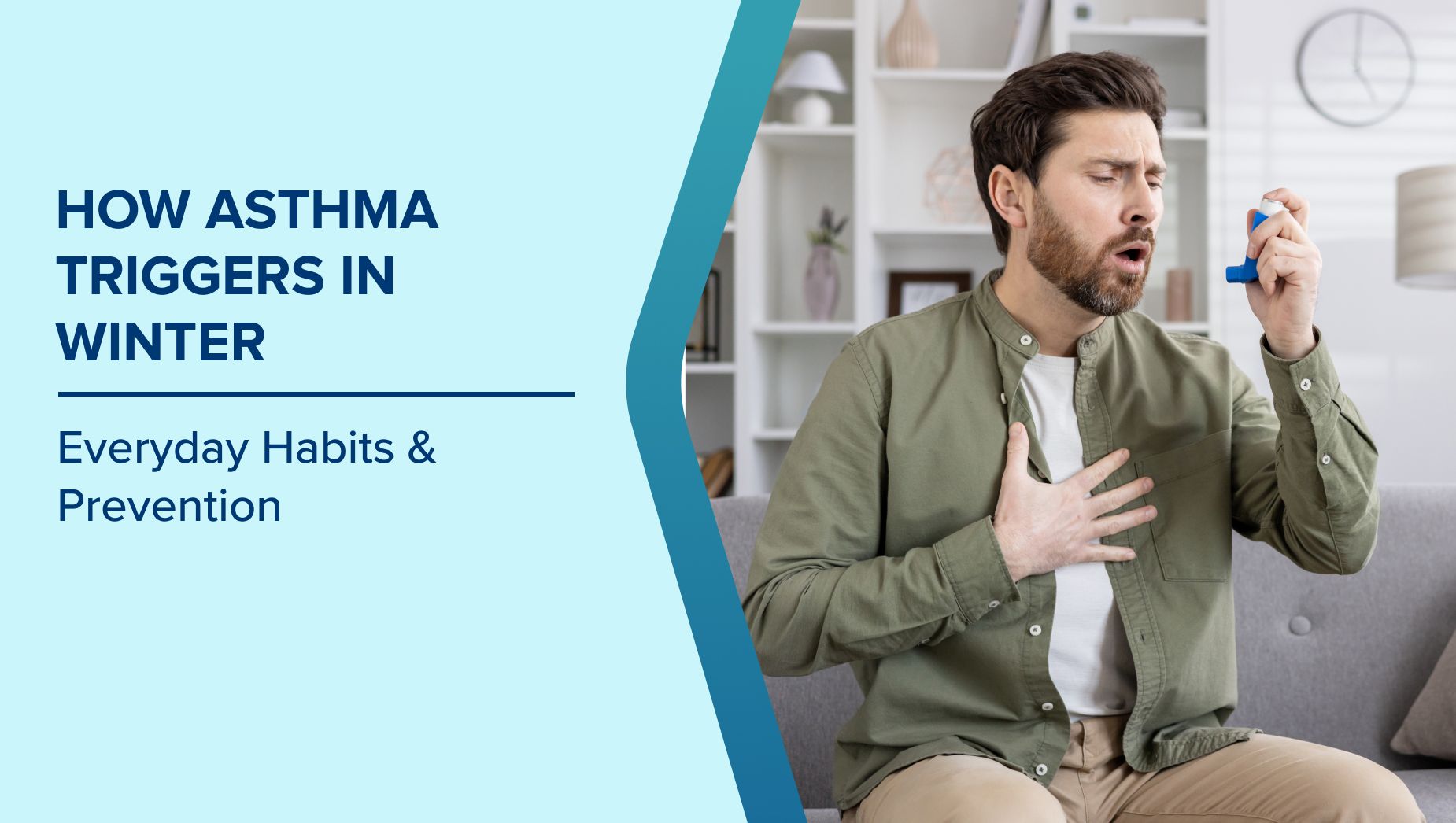
Call Us+91 926 888 0303How Asthma Triggers in Winter: Everyday Habits & Prevention
By Dr. Priyanka Aggarwal in Pulmonology
Jan 09 , 2026

Asthma behaves differently in winter. Many patients who feel stable for most of the year suddenly experience chest tightness, breathlessness, night coughing, or repeated flare-ups once temperatures drop. What surprises most people is that cold air alone is rarely the only cause. Winter changes how we live indoors, how we dress, what we eat, and even how we breathe without realising it.
Asthma in winter is often triggered by everyday habits that seem harmless. Closed rooms, heating devices, infections, dry air, heavy clothing, and reduced activity quietly stress sensitive airways. This is why some patients feel worse indoors than outside, or why symptoms persist even when medications remain unchanged.
Why Asthma Feels Harder to Control During Winter Months
Winter air is colder and drier, which irritates sensitive airways. But the bigger shift happens indoors. People spend longer hours inside enclosed spaces with limited ventilation. Dust, indoor allergens, infections, and chemical irritants build up faster during winter. Asthma flare-ups in winter often result from a combination of factors rather than a single trigger. Airways gradually become inflamed, making symptoms appear persistent rather than sudden.
Key reasons asthma in winter feels worse include:
- Reduced airflow inside homes, causing allergen buildup
- Dry air leading to airway dehydration
- Increased exposure to respiratory infections
- Less physical activity affecting lung strength
- Poor sleep quality due to night time symptoms
Everyday Winter Habits That Quietly Worsen Asthma
Many asthma patients believe they are avoiding triggers by staying indoors, but certain winter routines do more harm than good.
- Keeping Windows Shut All Day: Closing windows helps retain warmth but also traps dust, mould spores, and chemical fumes indoors. Poor ventilation increases indoor asthma triggers and makes breathing air stale and irritating.
- Overusing Room Heaters: Heaters dry the air and circulate dust particles. Without humidity control or regular cleaning, heated air irritates the bronchial lining and increases coughing and wheezing.
- Avoiding Physical Activity Completely: Cold weather discourages movement, but inactivity weakens respiratory muscles. This makes breathing feel more laboured and reduces tolerance to triggers.
- Using Strong Cleaning Products Indoors: Winter cleaning often involves disinfectants and phenyls. Their fumes linger longer in closed rooms and can provoke asthma flare-ups even in mild cases.
Indoor Lifestyle Mistakes That Increase Winter Asthma Symptoms
Asthma triggers indoors are often underestimated. Winter living conditions create a perfect environment for hidden irritants. Common indoor triggers include:
- Dust mites thriving in blankets, carpets, and mattresses
- Mould growth due to damp walls and poor sunlight exposure
- Pet dander accumulating in closed rooms
- Incense sticks and scented candles releasing fine particles
- Cooking fumes from poorly ventilated kitchens
Simple changes such as airing rooms briefly, washing bedding in warm water, and reducing fragrance use can significantly reduce winter asthma symptoms.
Winter Infections and Their Hidden Link With Asthma Flare-Ups
Colds, flu, and throat infections are among the strongest winter asthma triggers. Viral infections inflame the airways, making them extra sensitive to cold air and allergens. What many patients do not realise is that asthma symptoms may worsen even after the infection seems mild or resolved. Lingering airway inflammation can persist for weeks.
Warning signs that infection-related asthma flare-ups are developing include:
- Persistent cough after a cold
- Chest tightness without fever
- Increased need for a rescue inhaler
- Wheezing that worsens at night
Preventing infections through hand hygiene, adequate sleep, and timely vaccinations plays a major role in preventing winter asthma.
How Heating Methods Affect Breathing Health
Not all heating methods affect asthma equally. The way indoor warmth is generated affects air quality. Heating-related asthma triggers include:
- Electric heaters drying indoor air excessively
- Gas heaters releasing combustion byproducts
- Firewood stoves producing smoke and fine particles
- Unclean heater filters circulating dust
Using a humidifier when appropriate, cleaning heaters regularly, and ensuring ventilation help reduce breathing discomfort during the cold-weather asthma season.
Clothing Choices That Can Influence Asthma Control
Winter clothing is meant to protect, but certain choices can worsen asthma. Scarves wrapped tightly around the mouth trap cold air and moisture and may make breathing feel restricted. Synthetic fabrics may hold allergens and irritate sensitive skin, increasing discomfort during breathing episodes.
Helpful clothing habits include:
- Wearing breathable layers rather than tight insulation
- Covering the nose lightly outdoors to warm inhaled air
- Washing winter wear regularly to reduce allergen buildup
Diet Changes in Winter That Affect Asthma Symptoms
Winter diets often shift toward fried foods, heavy meals, and sugary drinks. These dietary changes can indirectly influence asthma control. Poor hydration thickens airway mucus, making breathing harder. Excess processed foods increase inflammation levels in the body. Dietary habits that support winter asthma health include:
- Drinking warm fluids regularly to keep the airways moist
- Including fruits and vegetables rich in antioxidants
- Limiting very cold foods and beverages
- Reducing processed and fried food intake
Environmental Triggers Often Ignored by Asthma Patients
Asthma flare-ups in winter are sometimes caused by environmental factors people rarely connect with breathing problems. Examples include:
- Air pollution trapped close to the ground in winter
- Indoor plants with mould growth in soil
- Damp shoes and coats releasing mould spores indoors
- Smoke from neighbourhood burning activities
Awareness of these triggers helps patients adjust their routines without fear or over-restriction.
How to Prevent Asthma Attacks in Winter Without Overlimiting Life
Asthma management in winter is about balance rather than avoidance. Practical steps include:
- Maintaining indoor ventilation briefly each day
- Using inhalers consistently as prescribed
- Staying physically active indoors when outdoor air is harsh
- Monitoring symptoms early rather than waiting for severe attacks
- Keeping a written asthma action plan visible
Early attention to mild symptoms prevents severe winter asthma flare-ups.
When Winter Asthma Symptoms Need Medical Attention
Not every flare-up requires urgent care, but some warning signs should never be ignored.
Seek medical advice if:
- Breathing difficulty interferes with sleep or speech
- Rescue inhaler use increases significantly
- Chest tightness persists despite medication
- Cough lasts several weeks after infection
Early review helps prevent complications and medication overuse.
Conclusion
Winter asthma triggers are often hidden in daily routines rather than extreme cold alone. Small lifestyle changes, indoor awareness, and early symptom recognition make a meaningful difference. By understanding what to avoid and how to adapt winter habits, asthma patients can breathe more comfortably and stay active throughout the cold months without fear or restriction.
Asthma control in winter is achievable when prevention becomes part of everyday life rather than a response to flare-ups.
Frequently Asked Questions
Can indoor plants worsen asthma in winter?
Yes, mould can grow in damp soil during winter and release spores that trigger asthma symptoms indoors.
Is wearing a mask helpful for asthma in cold weather?
Lightly covering the nose can warm inhaled air and reduce cold-induced airway irritation.
Can winter weight gain affect asthma control?
Weight gain increases inflammation and lung workload, making asthma harder to manage.
Does hot steam help asthma symptoms in winter?
Steam may temporarily ease dryness, but excessive exposure can worsen airway swelling in some patients.
Should asthma medicines be adjusted during winter?
Medication plans sometimes need adjustment based on symptoms, which should be done only with medical guidance.
Written and Verified by:

Related Blogs

Medical Expert Team
Jun 06 , 2015 | 2 min read

Blogs by Doctor

Human Metapneumovirus (HMPV): Treatment, Symptoms, And Effects On Children And Adults
Dr. Priyanka Aggarwal In Pulmonology
Jan 04 , 2025 | 6 min read

Understanding Legionnaires' Disease: Symptoms, Risks, and Treatment Options
Dr. Priyanka Aggarwal In Pulmonology
Jan 22 , 2025 | 7 min read
Most read Blogs


Related Blogs
Medical Expert Team
Jun 06 , 2015 | 2 min read
Blogs by Doctor
Human Metapneumovirus (HMPV): Treatment, Symptoms, And Effects On Children And Adults
Dr. Priyanka Aggarwal In Pulmonology
Jan 04 , 2025 | 6 min read
Understanding Legionnaires' Disease: Symptoms, Risks, and Treatment Options
Dr. Priyanka Aggarwal In Pulmonology
Jan 22 , 2025 | 7 min read
Most read Blogs