 WhatsApp Us (24/7)
 +91 926 888 0303 (24/7)


To Book an Appointment
Call Us+91 926 888 0303What is Histoplasmosis: Causes, Symptoms, Diagnosis & Treatment
By Dr Ashish jain in Pulmonology
Feb 24 , 2026

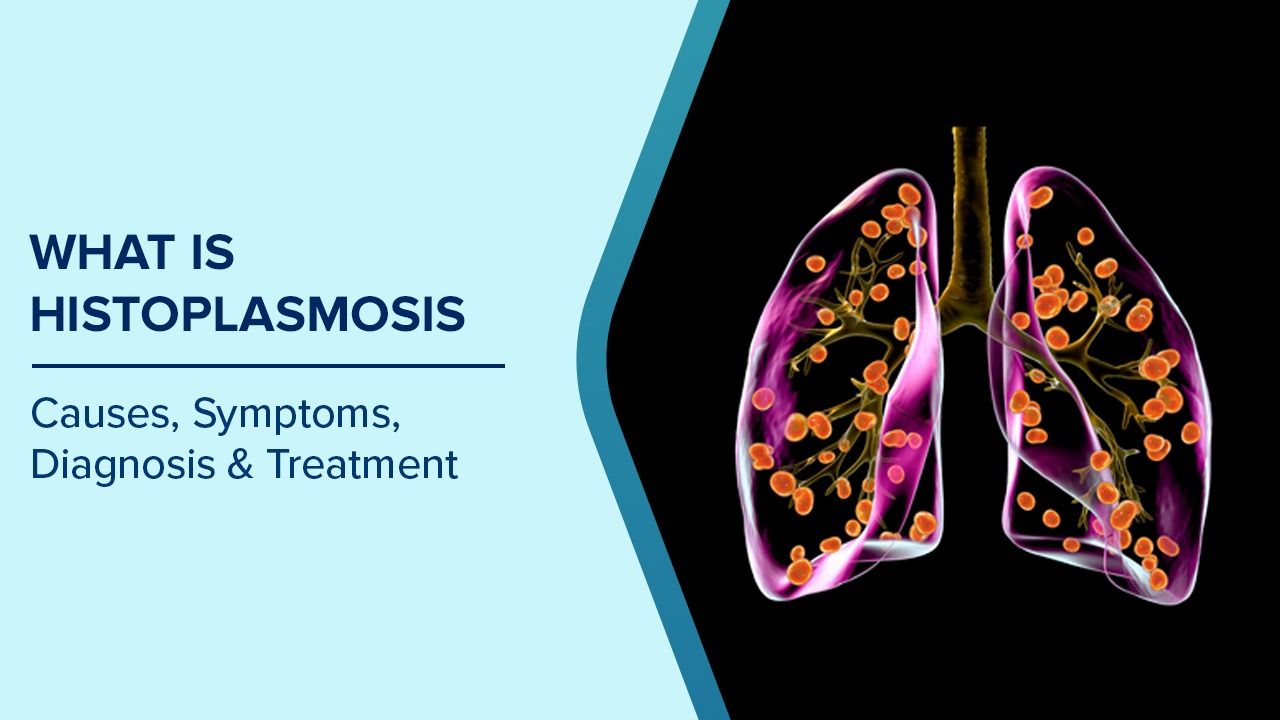
A lingering cough, chest discomfort, or flu-like symptoms that develop after exposure to soil, caves, or bird droppings may point to a condition called histoplasmosis. It is a type of fungal infection that can appear mild at first but may progress and affect other organs if left untreated. To help you recognize the signs early and seek timely treatment, this blog covers everything about histoplasmosis, from symptoms and causes to treatment options. Read on to learn more.
What is Histoplasmosis?
Histoplasmosis is a fungal infection caused by Histoplasma capsulatum, a fungus that thrives in soil rich in bird or bat droppings. The spores of this fungus can become airborne when the soil is disturbed during activities such as construction work, farming, cleaning old buildings, or visiting caves inhabited by bats. Once inhaled, these spores settle in the lungs and may cause infection.
In most healthy individuals, histoplasmosis causes mild or no symptoms and may even go unnoticed. However, in some cases, it can lead to respiratory symptoms resembling those of pneumonia, such as cough, fever, and chest pain. The condition is more common in certain regions with warm, humid climates and soil rich in organic matter.
What are the Types of Histoplasmosis?
Histoplasmosis can present in different forms, depending on how much fungal exposure has occurred, the person’s lung health, and the strength of their immune system. The main types include:
1. Acute (Primary) Pulmonary Histoplasmosis
This is the most common form of the infection. It develops after fungal spores are inhaled and reach the lungs. Symptoms are often mild and flu-like and may resolve without treatment. However, heavy exposure can lead to pneumonia-like illness with more pronounced symptoms.
2. Chronic Pulmonary Histoplasmosis
This form is seen mainly in people with pre-existing lung diseases such as emphysema or COPD. It causes long-term inflammation and scarring in the lungs, resulting in persistent cough, shortness of breath, and weight loss. If untreated, it can mimic tuberculosis and lead to lasting lung damage.
3. Disseminated Histoplasmosis
This severe form occurs when the infection spreads beyond the lungs to organs such as the liver, spleen, bone marrow, or brain. It typically affects individuals with weakened immune systems, including those with HIV/AIDS, cancer, or organ transplants. Common signs include persistent fever, weight loss, mouth ulcers, and enlarged organs. Without treatment, it can become life-threatening.
How does Histoplasmosis Spread?
Histoplasmosis spreads when fungal spores from Histoplasma capsulatum are released into the air and inhaled. The fungus grows naturally in soil mixed with bird or bat droppings, which provide the nutrients it needs to multiply. When the soil or droppings are disturbed (during activities such as cleaning attics, renovating old buildings, cutting trees, or exploring caves) the spores become airborne. Breathing in these microscopic spores allows them to reach the lungs, where they can cause infection.
Who is at Risk of Developing Histoplasmosis?
Although anyone can contract histoplasmosis after inhaling fungal spores, some groups face a much higher risk of infection or complications. People at higher risk include:
1. People with weakened immune systems
Individuals with suppressed immunity are more likely to develop severe or disseminated forms of histoplasmosis. This includes those living with HIV/AIDS, cancer patients undergoing chemotherapy, people receiving long-term corticosteroids, and organ transplant recipients on anti-rejection medication. Their bodies may struggle to contain the infection, allowing it to spread beyond the lungs.
2. Infants and older adults
Both infants and elderly individuals have relatively weaker immune defences, making it harder for their bodies to fight off fungal infections. In these age groups, even a mild exposure can result in noticeable symptoms or complications.
3. People with pre-existing lung conditions
Those with chronic respiratory diseases such as emphysema, bronchitis, or chronic obstructive pulmonary disease (COPD) are at a higher risk. Their lungs are already compromised, making it easier for the fungus to cause inflammation and long-lasting respiratory issues.
4. Workers frequently exposed to contaminated environments
Jobs or activities that disturb soil or bird and bat droppings increase the risk of inhaling fungal spores. High-risk occupations include:
- Farmers and gardeners working with soil and organic matter
- Construction or demolition workers dealing with old buildings
- Pest control workers cleaning roosts or attics
- Cave explorers and archaeologists exposed to bat colonies
5. Residents or travellers in endemic areas
Regions with warm, moist climates and soil rich in organic matter are known to harbour Histoplasma capsulatum. People living in or visiting these regions, particularly areas with heavy bird or bat activity, are more likely to come into contact with the fungus.
What are the Common Symptoms of Histoplasmosis?
Histoplasmosis symptoms can range from mild to severe, depending on how much fungal exposure has occurred and how well the immune system can fight the infection. Many people may not develop any noticeable symptoms, but others can experience respiratory and systemic signs that resemble pneumonia or other lung infections. Symptoms usually appear between 3 to 17 days after exposure.
Common symptoms in mild or acute histoplasmosis
In many healthy individuals, the infection starts in the lungs and may resolve without treatment. However, early symptoms often resemble a common viral infection.
- Fever and chills
- Dry cough or chest pain
- Fatigue, tiredness, or general weakness
- Headache and body ache
- Loss of appetite
- Mild shortness of breath
Symptoms of chronic histoplasmosis
This form usually affects people with underlying lung conditions such as emphysema or COPD. The symptoms may develop gradually and persist for months.
- Persistent cough that produces mucus
- Difficulty breathing or shortness of breath
- Chest discomfort or tightness
- Night sweats and low-grade fever
- Unexplained weight loss
- Loss of appetite and ongoing fatigue
Symptoms of disseminated histoplasmosis
This severe form occurs when the infection spreads beyond the lungs to other organs such as the liver, spleen, bone marrow, or brain. It typically affects individuals with weakened immune systems and can become life-threatening if not treated promptly.
- High or prolonged fever
- Enlargement of the liver and spleen (felt as abdominal fullness)
- Skin rashes or ulcers, often on the mouth or skin
- Swollen lymph nodes
- Anaemia or low blood cell counts
- Gastrointestinal issues such as diarrhoea or abdominal pain
- Confusion, headache, or other neurological symptoms in advanced cases
How is Histoplasmosis Diagnosed?
Diagnosing histoplasmosis involves identifying the presence of the Histoplasma capsulatum fungus in the body through laboratory tests and imaging studies. Since the symptoms can resemble other respiratory infections, accurate diagnosis is crucial for starting the right treatment.
Blood and Urine Tests
These are commonly used to detect fungal antigens or antibodies in the body. Antigen detection tests are particularly helpful in identifying active infection and monitoring recovery, especially in cases of disseminated histoplasmosis.
Fungal Culture
Samples of blood, sputum, or tissue may be cultured in a laboratory to check for the growth of Histoplasma capsulatum. Although considered the gold standard for diagnosis, this test may take several weeks to produce results.
Microscopic Examination and Tissue Biopsy
In severe or unclear cases, doctors may examine tissue samples from the lungs, bone marrow, or other affected organs under a microscope. A biopsy helps detect fungal cells directly and confirm the infection when other tests are inconclusive.
Imaging Studies (Chest X-ray or CT Scan)
Chest imaging is often performed to look for changes in the lungs such as nodules, scarring, or enlarged lymph nodes. These findings, combined with lab results, help assess how far the infection has spread.
Molecular Tests (PCR Testing)
PCR testing identifies the genetic material of Histoplasma capsulatum in clinical samples. It offers faster results and can be useful in detecting infection when traditional tests fail to provide a clear diagnosis.
What are the Treatment Options for Histoplasmosis?
Histoplasmosis treatment type varies based on how severe the infection is, how long it has been present, and the person’s overall health. Some infections clear up without medical intervention, whereas others require antifungal medication and hospital care.
Observation and Symptom Management
In mild cases, especially among healthy individuals, histoplasmosis often resolves without specific treatment. Doctors may recommend rest, hydration, and over-the-counter medicines to relieve fever, cough, or chest pain. Even when symptoms are mild, follow-up visits are important to make sure the infection does not progress or recur.
Antifungal Medications
Moderate to severe infections are treated with antifungal medicines that help stop the growth of Histoplasma capsulatum. These drugs may be prescribed for several weeks or months depending on how well the body responds. Patients are often monitored through regular blood and urine tests to check progress and detect any side effects.
Intravenous (IV) Therapy for Severe or Disseminated Infection
People with severe lung infection or disseminated histoplasmosis often require hospitalisation for intravenous antifungal therapy. This approach is especially important for individuals with weakened immune systems, such as those with HIV, cancer, or after organ transplantation. Once the condition stabilises, treatment usually continues with oral antifungal medicines for a prolonged period to prevent relapse.
Supportive Care
In advanced or complicated cases, supportive measures may be needed alongside antifungal therapy. These can include oxygen support to ease breathing, nutritional therapy to improve strength, and management of secondary infections or organ complications. In very rare instances where lung tissue has been badly affected, surgical evaluation might be necessary.
Consult Today
Recognising the signs of histoplasmosis early and seeking timely medical care can prevent serious complications, especially in those with existing lung or immune conditions. The infection may appear minor in the beginning but can progress silently, making proper diagnosis and treatment essential. If symptoms such as persistent cough, fever, or chest pain continue after exposure to soil or bird droppings, it is important to get evaluated by a pulmonologist or infectious disease specialist. Consult experts at Max Hospital, where specialists can help assess your condition, confirm the diagnosis, and recommend the most suitable treatment approach for your recovery.
Frequently Answered Questions
Can histoplasmosis spread from person to person?
No, histoplasmosis is not contagious. It spreads through inhaling fungal spores from the environment, not from contact with an infected person or animal.
How long does it take to recover from histoplasmosis?
Recovery depends on the severity of the infection. Mild cases often improve within a few weeks without specific treatment, whereas severe infections may require several months of antifungal therapy.
Does histoplasmosis cause permanent lung damage?
In most cases, the lungs heal completely after treatment. However, people with chronic or severe infections may experience scarring or long-term breathing difficulties.
Can pets get histoplasmosis?
Yes, pets, especially cats and dogs, can become infected by inhaling fungal spores from contaminated soil. They may develop similar respiratory symptoms and should be seen by a veterinarian if signs appear.
Is histoplasmosis more common in certain regions of India?
Yes, histoplasmosis is more frequently reported in regions with humid climates and soil rich in bird or bat droppings, such as parts of eastern and southern India.
Can histoplasmosis return after treatment?
In most cases, once the infection is treated, it does not return. However, people with weakened immune systems may experience relapse if their immunity drops again.
What should I do if I think I’ve been exposed to histoplasmosis?
If you develop flu-like symptoms, persistent cough, or chest pain after possible exposure, consult a doctor promptly. Early testing can help prevent the infection from worsening.
Can histoplasmosis be mistaken for tuberculosis?
Yes, the two infections can appear similar on X-rays and share symptoms like cough, fever, and weight loss. Proper laboratory tests are needed to confirm whether it is histoplasmosis or tuberculosis.
How serious is histoplasmosis for people with HIV or weak immunity?
For people with weakened immune systems, histoplasmosis can spread beyond the lungs and become life-threatening. Early diagnosis and consistent antifungal treatment are essential to prevent severe complications.
Does histoplasmosis always require hospitalisation?
Not always. Mild cases are often managed with medicines and rest at home, but severe or disseminated cases may need hospital care for close monitoring and intravenous treatment.
Can air purifiers or masks prevent histoplasmosis?
Using N95 masks can help reduce the risk of inhaling fungal spores in contaminated environments. Air purifiers may help indoors but are not fully effective in preventing infection in outdoor or work-related exposure.
Can histoplasmosis affect organs other than the lungs?
Yes, in some cases the infection can spread to the liver, spleen, brain, or bone marrow, especially in people with weak immunity or untreated infection
Is it safe to travel to areas where histoplasmosis is common?
Yes, travel is generally safe. However, avoiding caves, old buildings, and places with heavy bird or bat droppings can help reduce the risk of exposure.
Can histoplasmosis cause long-term fatigue or weakness?
Some people may experience tiredness or weakness even after recovery, especially if the infection was severe. This usually improves gradually as the body heals.
Written and Verified by:

Related Blogs

Medical Expert Team
Jun 06 , 2015 | 2 min read

Blogs by Doctor


Vaping: Understanding the Risks and Impacts on Health
Aug 22 , 2023 | 2 min read
Most read Blogs


Related Blogs
Medical Expert Team
Jun 06 , 2015 | 2 min read
Blogs by Doctor
Vaping: Understanding the Risks and Impacts on Health
Aug 22 , 2023 | 2 min read
Most read Blogs