 WhatsApp Us (24/7)
 +91 926 888 0303 (24/7)


To Book an Appointment
Call Us+91 926 888 0303Hepatomegaly (Enlarged Liver): Causes, Symptoms, and Treatment
By Dr. K R Vasudevan in Liver Transplant and Biliary Sciences
Jul 10 , 2025 | 13 min read
1

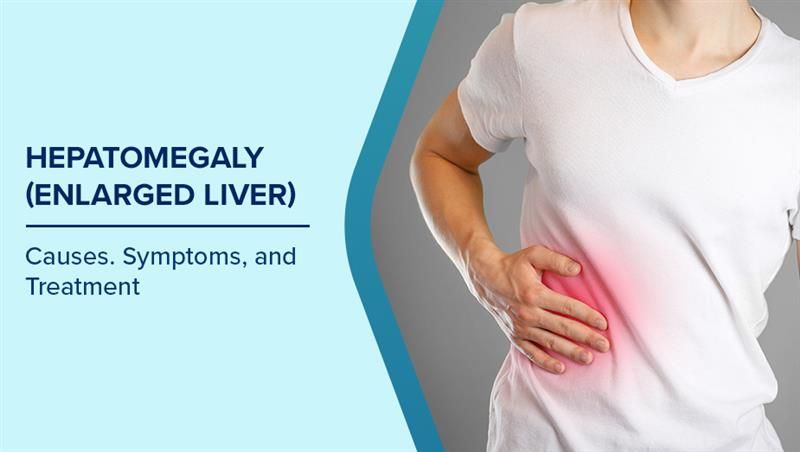
The liver is one of the largest and most active organs in the body, responsible for filtering blood, supporting digestion, and processing nutrients. In some cases, the liver can grow beyond its normal size, a condition known as hepatomegaly. This enlargement is not always obvious at first but may slowly lead to discomfort or other signs including discomfort in the upper abdomen. These signs often appear gradually and may be linked to problems such as fat build-up in the liver, heart-related conditions, or even chronic liver damage. Since the causes can differ widely, it often leaves people confused or unsure about what to expect next. This blog helps make sense of the condition including its causes, symptoms, and treatment. But first, let’s have a closer look at what an enlarged liver actually means.
What is Hepatomegaly?
Hepatomegaly is the medical term used when the liver becomes larger than its normal size. The enlargement itself does not point to one specific condition but often reflects a response to stress, injury, or disease affecting the liver or nearby organs. In a healthy adult, the liver is usually hidden beneath the rib cage and not easily felt. When it grows in size, it may extend below the ribs and sometimes become noticeable during a physical exam. The liver’s texture and firmness may also change, depending on what is causing the enlargement.
In many cases, hepatomegaly is first picked up through routine imaging or blood tests, even before any symptoms appear. Hepatomegaly is not a diagnosis in itself but a physical finding linked to many possible conditions, such as fat build-up, inflammation, blocked blood flow, or growths within the liver
What Causes Hepatomegaly?
Hepatomegaly can occur due to a variety of health conditions that affect the liver directly or place pressure on it through related systems such as the heart and blood vessels. The underlying causes are often grouped into the following categories:
Liver Diseases
Disorders that begin in the liver are some of the most common reasons for hepatomegaly. These may include:
- Fatty liver disease: Caused by either alcohol use or metabolic issues such as obesity and insulin resistance.
- Chronic alcohol-related damage: Long-term alcohol intake may lead to liver inflammation and scarring.
- Viral hepatitis: Hepatitis B and C can cause inflammation that leads to swelling of liver tissue.
- Cirrhosis: In its early stages, the liver may enlarge before shrinking later as scar tissue builds up.
- Liver cysts or abscesses: These may occupy space in the liver and increase its size.
Infections
Certain infections affect liver tissue either directly or through a broader impact on the immune system. Malaria and schistosomiasis, both parasitic in nature, are known to cause liver swelling and are more common in specific regions. Viral infections like infectious mononucleosis or cytomegalovirus may also lead to enlargement, particularly during acute illness. In such cases, hepatomegaly is often accompanied by fever, weakness, or swollen lymph nodes.
Heart and Blood Flow Conditions
Problems related to circulation can also cause hepatomegaly. In congestive heart failure, the heart's reduced ability to pump blood effectively leads to a back-up of blood in the liver’s veins, causing it to swell. A similar effect may occur in Budd-Chiari syndrome, where a blockage in the liver’s veins disrupts normal blood flow. This type of enlargement is usually associated with a feeling of heaviness in the upper abdomen and may be linked to swelling in other parts of the body.
Growths and Tumours
The presence of abnormal growths in the liver can also lead to hepatomegaly. These may be non-cancerous, such as haemangiomas or liver adenomas, or cancerous, including primary liver cancer and tumours that have spread from other organs. In some cases, the enlargement is the first noticeable sign before other symptoms appear.
Metabolic and Storage Disorders
Several inherited or long-term conditions may cause certain substances to build up in the liver. These include:
- Haemochromatosis: Leads to excess iron storage in liver cells
- Wilson’s disease: Causes copper to accumulate in the liver
- Amyloidosis: Involves the build-up of abnormal proteins in liver tissue
These conditions may not cause obvious symptoms at first, but can gradually lead to changes in liver size and function.
Medication and Toxin Exposure
Certain medicines, herbal products, or toxins may irritate or injure liver tissue, leading to inflammation and enlargement. Reactions depend on the type of substance, duration of exposure, and individual liver sensitivity. In many cases, stopping the harmful substance can improve liver size and function, but damage may persist if exposure continues over time.
Hepatomegaly often results from more than one factor, especially in individuals with existing health conditions. Understanding the exact cause is important for deciding how the condition should be managed or treated.
What are the Symptoms of Hepatomegaly?
The symptoms of hepatomegaly depend on the cause and how much the liver has enlarged. In many cases, the condition may not cause noticeable signs in the early stages. When symptoms do appear, they may develop gradually and are often linked to pressure from the enlarged liver or changes in liver function. Common enlarged liver symptoms include:
- A feeling of fullness or discomfort: Often felt in the upper right side of the abdomen, especially after eating.
- Abdominal swelling: The belly may appear slightly distended if the liver is significantly enlarged.
- Pain or tenderness: The area around the liver may feel sore to the touch.
- Loss of appetite: A sense of early fullness can reduce interest in food.
- Fatigue: Tiredness may occur if the liver’s function is affected.
- Nausea or vomiting: These may develop in some cases, especially when liver inflammation is present.
- Jaundice: Yellowing of the skin or eyes may occur if the liver's ability to process bilirubin is reduced.
- Swelling in the legs or ankles: This can happen if liver disease affects blood flow and fluid balance.
Some people may experience only one or two of these symptoms, while others may have none until the liver becomes more severely affected. The presence and severity of symptoms often depend on the underlying cause of hepatomegaly.
How is Hepatomegaly and its Cause Diagnosed?
Diagnosing hepatomegaly involves a combination of physical checks, imaging studies, and lab tests to confirm the enlargement and find out what may be causing it.
Physical Examination
The process often begins with a doctor feeling the abdomen to check the size, shape, and texture of the liver. The liver may be easier to feel if it extends below the rib cage. In some cases, it may feel firm, smooth, or tender. These features can offer early clues about the nature of the enlargement.
Imaging Tests
Imaging is used to confirm the presence of hepatomegaly and assess its extent. An ultrasound is usually the first test, as it gives a clear view of the liver’s size and surface. If more detail is needed, a CT scan or MRI may be done to check for growths, changes in blood flow, or signs of underlying disease.
Blood Tests
Liver function tests are commonly used to check how well the liver is working. These tests measure enzyme levels, proteins, and substances like bilirubin. Abnormal results may point to inflammation, infection, or liver damage. Depending on the case, additional tests may be ordered to check for viral hepatitis, iron overload, or other specific conditions.
Liver Biopsy
In cases where imaging and blood tests do not give a clear answer, a liver biopsy may be advised. This involves taking a small sample of liver tissue to study under a microscope. It can help confirm conditions such as fatty liver disease, cirrhosis, or cancer.
How is Hepatomegaly Treated?
Treatment aims to address the condition responsible for the liver enlargement. The exact approach depends on what is causing hepatomegaly and how far it has progressed.
Diet and Lifestyle Modification
This is often the first step when hepatomegaly is due to fat build-up in the liver. Weight loss through healthier eating and regular physical activity can reduce fat content in the liver and improve liver function. Cutting down on alcohol and managing related conditions like diabetes or high cholesterol are also important parts of this approach.
Medicines to Treat Infection or Inflammation
Infections that lead to liver swelling are usually treated with antiviral, antibiotic, or antiparasitic medicines, depending on the type. Hepatitis viruses may require long-term antiviral therapy to reduce liver inflammation and control disease progression.
Cardiac and Circulatory Support
When heart failure or blood flow problems are involved, treatment focuses on relieving pressure in the liver’s blood vessels. Diuretics may be used to reduce fluid retention, and heart medicines can improve overall circulation. In some cases, surgical procedures or stents may be needed to correct blocked veins.
Cancer Treatment or Surgical Removal of Growths
If the enlargement is caused by tumours, treatment depends on the type and stage. Surgery may be done to remove benign or malignant growths. In cancers, additional options may include chemotherapy, targeted therapy, or radiotherapy to control tumour size and limit spread.
Chelation and Other Therapies for Storage Disorders
In conditions like haemochromatosis or Wilson’s disease, treatment involves removing the excess iron or copper stored in the liver. Chelation medicines are often prescribed, and in some cases, dietary changes or regular blood removal (phlebotomy) may be part of the plan.
Discontinuation of Harmful Substances
If medicines, alcohol, or environmental toxins are causing liver damage, stopping exposure is the main step. Recovery may be possible if the damage is caught early. In some cases, supportive medicines are also given to help liver function return to normal.
Regular Monitoring and Follow-up
Regardless of the cause, regular check-ups help track the liver’s response to treatment. Repeat imaging, blood tests, or clinical reviews may be needed to ensure that the liver is healing or staying stable.
Can Hepatomegaly be Prevented?
Hepatomegaly cannot be prevented in every case, especially when linked to inherited disorders or underlying diseases that show no early signs. However, in many situations, the risk of liver enlargement can be reduced through habits and actions that support liver health in the longer run. The following measures may help lower the chances of developing hepatomegaly:
- Follow a balanced, nutrient-rich diet: Eating meals that include vegetables, fruits, whole grains, lean proteins, and healthy fats helps the liver process nutrients efficiently. Diets high in processed foods, sugars, and saturated fats increase the risk of fat build-up in liver tissue, which may lead to enlargement over time.
- Maintain a healthy weight: Excess body fat, especially around the abdomen, is linked to non-alcoholic fatty liver disease—a common cause of hepatomegaly. Gradual weight loss through diet and physical activity reduces the fat stored in liver cells and supports better liver function.
- Limit or avoid alcohol: Regular or heavy alcohol consumption damages liver cells and can lead to inflammation, scarring, or cirrhosis. Avoiding alcohol entirely, or drinking only in moderation, can protect the liver from alcohol-related damage.
- Keep chronic health conditions under control: Proper management of diabetes, high cholesterol, and high blood pressure reduces the risk of metabolic changes that strain the liver. Regular monitoring and following prescribed treatments can help prevent complications that lead to liver enlargement.
- Protect against viral hepatitis: Vaccination for hepatitis B and safe hygiene practices—such as avoiding contaminated food and water—can prevent infections that inflame the liver. Screening and early treatment for hepatitis C may also reduce the risk of long-term liver damage.
- Use medicines with caution: Some over-the-counter painkillers, herbal remedies, and long-term prescriptions can harm liver cells if taken in high doses or without proper guidance. Always follow dosing instructions, and avoid combining medications without medical advice.
- Avoid exposure to toxins and harmful substances: Workplace chemicals, certain cleaning agents, and unregulated supplements may carry a risk of liver injury. Using protective equipment and choosing products carefully helps reduce this risk.
- Address heart-related conditions early: Conditions such as heart failure or blood flow blockages can cause blood to back up in the liver, leading to swelling. Treating these problems early may prevent liver congestion and reduce the risk of hepatomegaly.
- Go for regular medical check-ups: Routine health screenings can detect changes in liver size, blood markers, or function before symptoms develop. Early identification allows for quicker action and reduces the chances of complications.
When to Consult a Doctor?
A doctor should be consulted if any signs suggestive of liver enlargement appear, especially if they persist or worsen over time. Although hepatomegaly itself is often discovered during a routine examination, certain symptoms may point to an underlying issue that needs prompt medical evaluation.
Consult a doctor if any of the following symptoms are noticed:
- A feeling of fullness or pressure in the upper right side of the abdomen
- Unexplained abdominal discomfort or pain
- Persistent tiredness or weakness without a clear reason
- Swelling in the abdomen, legs, or ankles
- Loss of appetite or unintentional weight loss
- Yellowing of the skin or eyes (jaundice)
- Nausea or vomiting lasting more than a few days
Medical attention is also important for individuals with chronic health conditions such as diabetes, high cholesterol, or heart disease, as these may increase the risk of liver-related complications.
Consult Today
Liver enlargement is often linked to changes that develop quietly over time. Ignoring early warning signs or delaying care can lead to complications that are harder to manage later. At Max Hospital, hepatologists and gastroenterologists work together to assess your condition and guide the right course of treatment. If you've been noticing changes or have already been diagnosed with liver enlargement, it’s best not to wait. Book a consultation at Max Hospital and get your liver health checked without delay.
Frequently Asked Questions
Can hepatomegaly go away on its own?
Hepatomegaly does not usually resolve without addressing the underlying cause. In some mild cases, such as early-stage fatty liver disease or a temporary reaction to certain medications, the liver may return to its normal size once the cause is removed. However, in most situations, medical intervention, lifestyle changes, or targeted treatment are needed. Leaving it untreated can allow the condition to progress and may lead to permanent liver damage.
Is hepatomegaly always linked to liver disease?
No. Although many cases are related to liver conditions, hepatomegaly can also be caused by problems outside the liver. These include heart failure, blood vessel blockages, infections, certain cancers, or inherited storage disorders. This is why a diagnosis based only on liver size is not enough, additional tests are needed to find the root cause.
How serious is hepatomegaly?
The seriousness depends entirely on what is causing the liver to enlarge. Some causes, like mild fat accumulation or a viral infection, may be reversible with proper treatment. Others, such as cirrhosis, cancer, or untreated blood flow issues, can lead to long-term complications. The presence of symptoms, liver function test results, and imaging findings all help determine how severe the condition is.
Does hepatomegaly affect digestion or appetite?
Yes, it can. An enlarged liver may press against nearby organs like the stomach, leading to early satiety—a feeling of fullness after eating small amounts. Some people may experience bloating, discomfort, or even pain in the upper right abdomen. In cases where liver function is affected, appetite may also reduce due to nausea or general weakness.
Can children get hepatomegaly?
Hepatomegaly can affect children, although the causes are often different from those seen in adults. In children, it may result from viral infections, metabolic disorders, or inherited conditions such as glycogen storage diseases. Any sign of liver enlargement in a child should be evaluated by a paediatrician or paediatric gastroenterologist to rule out serious causes.
Is it safe to exercise with hepatomegaly?
Mild to moderate physical activity is usually safe, but this depends on the underlying cause and how severe the enlargement is. In cases of liver tenderness, pain, or risk of bleeding (such as with liver cancer or advanced liver disease), certain exercises may need to be avoided. A healthcare provider can offer advice based on individual condition and fitness level.
What tests are needed after hepatomegaly is found on ultrasound?
Ultrasound may detect liver enlargement but cannot always explain why it is happening. Depending on the findings, further tests might include liver function tests, viral hepatitis screening, iron and copper studies, autoimmune markers, and advanced imaging like CT or MRI. A liver biopsy may be considered if other tests are inconclusive or if tissue samples are needed to confirm a diagnosis.
Can diet alone fix an enlarged liver?
Diet plays an important role in managing hepatomegaly when related to fat accumulation, alcohol use, or metabolic conditions. Reducing calorie intake, avoiding alcohol, and cutting down on processed foods can help reduce liver size and improve function. However, if the cause is something else, such as an infection, tumour, or inherited disorder, diet alone is unlikely to be enough. A treatment plan should be based on medical evaluation.
Does hepatomegaly mean liver cancer?
Not necessarily. Liver enlargement can result from both non-cancerous and cancerous causes. Fatty liver disease, infections, heart-related issues, or benign growths can all cause the liver to swell. Liver cancer is only one of several possibilities, and its presence is usually confirmed through imaging, blood markers like AFP, and sometimes a biopsy. Early diagnosis helps rule out serious causes and start treatment if needed.
Written and Verified by:

Related Blogs

Prof (Dr.) Subhash Gupta In Liver Transplant and Biliary Sciences
Nov 07 , 2020 | 2 min read

Dr. Nivedita Pandey In Gastroenterology, Hepatology & Endoscopy , Liver Transplant and Biliary Sciences
Nov 07 , 2020 | 2 min read
Blogs by Doctor


Most read Blogs


Related Blogs
Prof (Dr.) Subhash Gupta In Liver Transplant and Biliary Sciences
Nov 07 , 2020 | 2 min read
Dr. Nivedita Pandey In Gastroenterology, Hepatology & Endoscopy , Liver Transplant and Biliary Sciences
Nov 07 , 2020 | 2 min read
Blogs by Doctor
Most read Blogs