 WhatsApp Us (24/7)
 +91 926 888 0303 (24/7)


To Book an Appointment
Call Us+91 926 888 0303Head and Neck Cancer Treatment Nutrition: Eating Challenges & Care
By Dr. Shilpi Sharma in Surgical Oncology , Cancer Care / Oncology , Head & Neck Oncology
Mar 09 , 2026

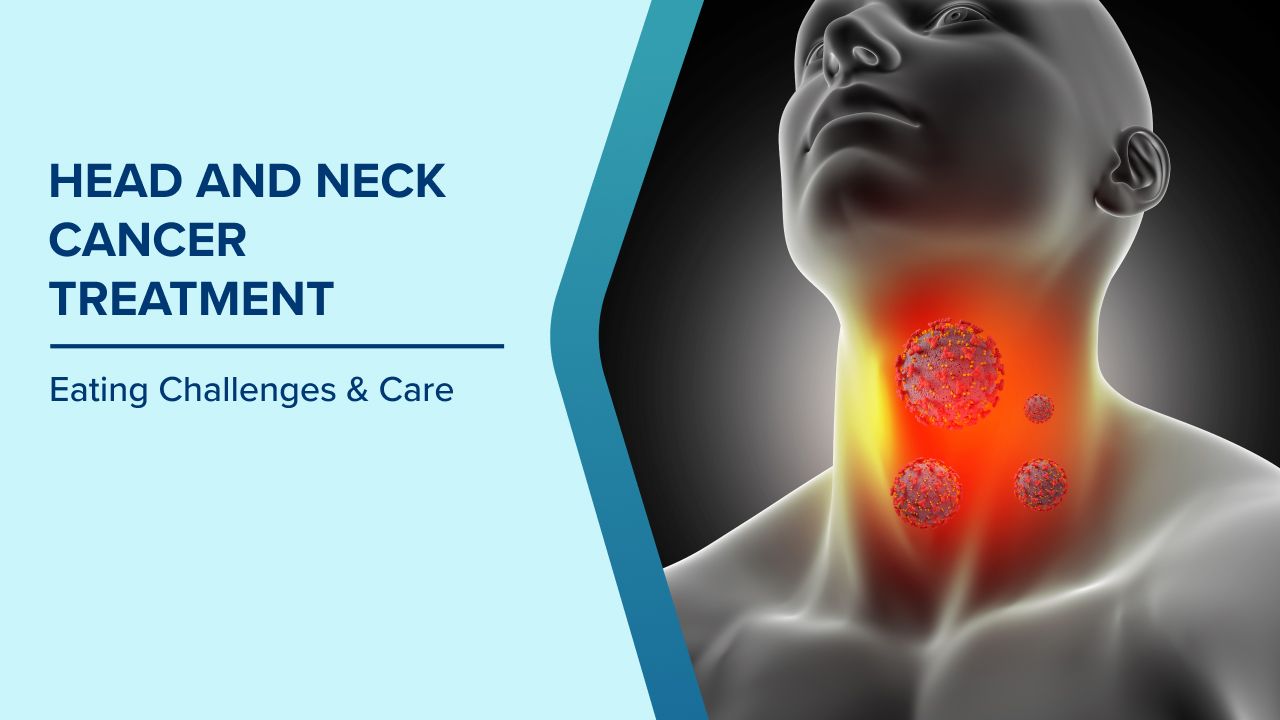
Nutrition plays a vital role during cancer treatment, but for people undergoing treatment for head and neck cancers, eating can become one of the biggest daily challenges. Changes in the mouth, throat, jaw, and swallowing muscles often make even simple meals difficult. Yet, adequate nutrition remains essential for maintaining strength, supporting healing, and tolerating treatment more effectively.
Why Nutrition Is Especially Challenging in Head and Neck Cancer
Head and neck cancer treatment can directly affect the areas involved in chewing, swallowing, speaking, and tasting. Surgery, radiation therapy, and chemotherapy may lead to:
- Pain or soreness in the mouth or throat
- Difficulty swallowing certain textures
- Reduced jaw movement
- Changes in taste or smell
- Dry mouth or thick saliva
- Early fullness or fatigue while eating
These challenges often appear gradually and may worsen during treatment. Without careful nutritional planning, patients can experience unintended weight loss, weakness, delayed recovery, or treatment interruptions.
The Role of Nutrition During Treatment
Good nutrition during head and neck cancer treatment helps by:
- Preserving muscle strength and energy levels
- Supporting wound healing and tissue repair
- Reducing the risk of infections
- Improving tolerance to radiation or chemotherapy
- Supporting overall quality of life
Nutrition is not only about calories. It is about choosing foods that are safe to swallow, easy to chew, and gentle on sensitive tissues.
Common Eating Difficulties Patients Face
Swallowing discomfort
Inflammation or tightness in the throat can make swallowing painful or tiring, especially for solid or dry foods.
Mouth soreness and ulcers
Radiation and chemotherapy may cause mouth tenderness, making spicy, rough, or acidic foods uncomfortable.
Taste changes
Food may taste bland, bitter, metallic, or unusually sweet. This can reduce appetite even when the body needs nourishment.
Dry mouth
Reduced saliva affects chewing and swallowing, making dry foods difficult to manage.
Jaw stiffness
Limited jaw opening may restrict food choices and portion sizes.
Adapting Food Textures for Safer Eating
Texture modification is often essential during treatment. Adjusting food consistency helps reduce the risk of choking and makes meals more comfortable.
Common texture adaptations include:
- Soft-cooked foods that require minimal chewing
- Minced or mashed meals
- Thick soups and stews
- Smooth purees
- Moist foods with added gravies or sauces
Dry, crumbly, or sticky foods often cause discomfort and should be limited during sensitive phases of treatment.
Meeting Energy and Protein Needs
Head and neck cancer treatment increases the body’s nutritional demands. At the same time, eating less becomes common. This makes nutrient-dense foods especially important.
Helpful strategies include:
- Eating small meals more frequently
- Adding healthy fats such as olive oil, nut pastes, or cream to foods
- Including soft protein sources like yoghurt, eggs, lentils, paneer, fish, or well-cooked pulses
- Using smoothies or blended meals to combine calories and protein
Protein supports muscle maintenance and tissue repair, which is particularly important when healing areas in the mouth or throat.
Managing Taste and Appetite Changes
Taste changes are frustrating but often temporary. Adjusting flavours and temperatures can help.
Practical tips include:
- Trying foods at room temperature if hot foods feel uncomfortable
- Using mild herbs instead of strong spices
- Rinsing the mouth before meals to refresh the taste
- Experimenting with different textures when flavours seem dull
If food tastes metallic, using plastic cutlery and avoiding strong-smelling foods may reduce discomfort.
Hydration and Fluid Intake
Adequate hydration is essential, especially when dry mouth or thick saliva is present.
Helpful choices include:
- Water sipped regularly throughout the day
- Smooth soups and broths
- Milk, smoothies, or nutritional drinks
- Coconut water or diluted fruit juices if tolerated
Very thin liquids may be difficult for some patients to swallow safely. Thickened fluids may be recommended in certain cases under professional guidance.
When Eating by Mouth Becomes Difficult
There may be times during treatment when oral intake is not enough to meet nutritional needs. This does not mean failure. It means the body needs additional support.
Temporary feeding support may be advised to:
- Prevent severe weight loss
- Ensure consistent nutrition during intensive treatment
- Reduce stress around eating
This support allows patients to focus on recovery while protecting nutritional status.
Supporting Nutrition at Home
Caregivers play an important role in maintaining nutrition. Gentle encouragement, flexible meal timings, and patience are key.
Helpful home practices include:
- Preparing meals in advance when energy is low
- Keeping favourite safe foods readily available
- Avoiding pressure or frustration during meals
- Tracking weight changes and appetite patterns
Emotional support is just as important as physical nourishment.
Signs Nutrition Support May Need Adjustment
It is important to speak with the care team if any of the following occur:
- Ongoing weight loss
- Difficulty swallowing liquids
- Persistent fatigue or weakness
- Reduced meal intake over several days
- Pain that interferes with eating
Early intervention helps prevent complications and delays in treatment.
Conclusion
Nutrition during head and neck cancer treatment requires flexibility, creativity, and close attention to the body’s changing needs. Eating may not look the same as it once did, but nourishment remains a cornerstone of strength and recovery. With thoughtful food choices, texture adjustments, and timely support, patients can protect their nutritional health while focusing on healing.
Frequently Asked Questions
1. Can nutrition needs change after treatment ends?
Yes, nutritional needs often evolve during recovery. Appetite, taste, and swallowing may gradually improve, requiring adjustments in food choices and portion sizes.
2. Is weight gain ever recommended during treatment?
In some cases, stabilising or slightly increasing weight may be advised to build reserves before intensive therapy, depending on individual health status.
3. Should vitamin supplements be taken during treatment?
Supplements should only be taken if recommended by a healthcare professional, as some may interfere with treatment.
4. Can cultural or traditional foods be included during treatment?
Yes, as long as they are adapted to safe textures and tolerated well. Cultural familiarity often improves appetite and comfort.
5. How can caregivers reduce stress around meals?
Keeping meals relaxed, offering choices without pressure, and accepting smaller portions can help maintain a positive eating environment.
Written and Verified by:

Related Blogs

Dr. S. VEDA PADMA PRIYA In Surgical Oncology , Cancer Care / Oncology
May 16 , 2016 | 2 min read

Dr. Kanika Batra Modi In Surgical Oncology , Cancer Care / Oncology
May 26 , 2016 | 4 min read
Blogs by Doctor

Tobacco's Impact on Health: Hidden Effects on Body and Mind
Dr. Shilpi Sharma In Surgical Oncology , Cancer Care / Oncology , Head & Neck Oncology
Jun 03 , 2025 | 4 min read
Head and Neck Cancers: Causes, Tobacco & Alcohol Risks & Prevention Tips
Dr. Shilpi Sharma In Surgical Oncology , Cancer Care / Oncology , Head & Neck Oncology
Aug 25 , 2025 | 3 min read
Most read Blogs


Related Blogs
Dr. S. VEDA PADMA PRIYA In Surgical Oncology , Cancer Care / Oncology
May 16 , 2016 | 2 min read
Dr. Kanika Batra Modi In Surgical Oncology , Cancer Care / Oncology
May 26 , 2016 | 4 min read
Blogs by Doctor
Tobacco's Impact on Health: Hidden Effects on Body and Mind
Dr. Shilpi Sharma In Surgical Oncology , Cancer Care / Oncology , Head & Neck Oncology
Jun 03 , 2025 | 4 min read
Head and Neck Cancers: Causes, Tobacco & Alcohol Risks & Prevention Tips
Dr. Shilpi Sharma In Surgical Oncology , Cancer Care / Oncology , Head & Neck Oncology
Aug 25 , 2025 | 3 min read
Most read Blogs