 WhatsApp Us (24/7)
 +91 926 888 0303 (24/7)


To Book an Appointment
Call Us+91 926 888 0303Head and Neck Cancer: Symptoms, Causes and Prevention
By Dr. S. M. Shuaib Zaidi in Surgical Oncology , Cancer Care / Oncology , Thoracic Oncology , Gynecologic Oncology , Head & Neck Oncology , Gastro Intestinal & Hepatopancreatobiliary Surgical Oncology
Apr 15 , 2026

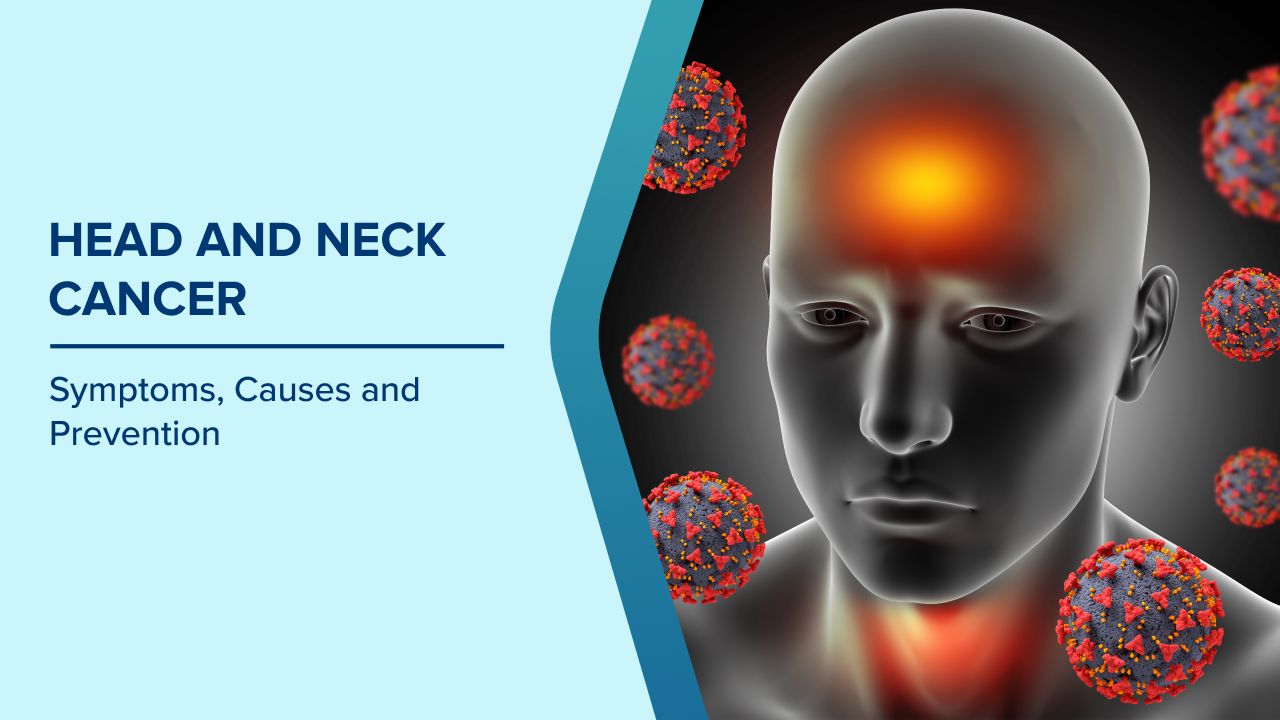
Head and neck cancer is a group of cancers that develop in the mouth, throat, voice box, sinuses, or nearby structures. These cancers typically begin in the thin, flat cells lining these areas and can affect essential functions such as breathing, speaking, and swallowing. Understanding the facts about head and neck cancer is crucial because early detection greatly improves treatment outcomes and quality of life.
This condition often goes unnoticed in its early stages because symptoms may be mild or similar to those of common infections. However, persistent changes in the mouth or throat should never be ignored. Awareness helps individuals recognise warning signs early and take appropriate action.
By understanding causes, symptoms, treatment options, and preventive measures, individuals can make informed decisions about their health and seek timely medical care when needed.
What Is Head and Neck Cancer and Why Does It Matter
Head and neck cancer refers to cancers that arise in the upper aerodigestive tract. These include cancers of the oral cavity, pharynx, larynx, nasal cavity, and salivary glands. Most cases are classified as squamous cell carcinoma, meaning they originate in the lining of these areas.
This condition matters because it affects critical daily functions. Eating, speaking, and breathing may become difficult as the disease progresses. In advanced stages, it can significantly impact appearance and quality of life.
The disease often develops slowly, starting with abnormal cell growth. Over time, these cells may form tumours and spread to nearby tissues or lymph nodes. Early-stage cancers are usually localised, while advanced cases may involve multiple regions.
Raising awareness is essential because many cases are preventable. When individuals understand risk factors and early signs, they are more likely to seek evaluation sooner. Early detection leads to simpler treatments and better outcomes, making education one of the most powerful tools in managing this condition.
Major Causes and Risk Factors You Should Know
Understanding the causes of head and neck cancer helps identify ways to reduce risk. Several well-established factors contribute to the development of this disease. The most common causes include:
- Tobacco use in any form, including smoking and chewing
- Excessive alcohol consumption
- Infection with human papillomavirus (HPV)
- Poor oral hygiene and chronic irritation
- Sharp tooth causing chronic irritation to cheek or tongue
- Long-term sun exposure, especially for lip cancer
Tobacco and alcohol together create a particularly high risk. These substances damage cells over time, leading to genetic changes that can trigger cancer. HPV-related cancers are increasingly seen, especially in the throat.
Other contributing factors may include weakened immunity and prolonged exposure to environmental pollutants. While not all cases are preventable, reducing exposure to these risks can significantly lower the chances of developing cancer.
The key benefit of understanding these causes is prevention. Making informed lifestyle choices can reduce long-term health risks and support overall well-being.
Early Symptoms and Warning Signs to Watch For
Recognising early symptoms is one of the most important steps in managing head and neck cancer. Many signs may seem harmless initially, but they persist over time. Common symptoms include:
- Persistent sore throat or cough
- Difficulty swallowing or chewing
- Hoarseness or voice changes
- A lump or swelling in the neck
- Mouth sores or reddish/ whitish plaques that do not heal
- Progressive difficulty in opening mouth
- Unexplained ear pain
These symptoms often overlap with less serious conditions, leading to delays in diagnosis. However, persistence is a key warning sign. Any symptom lasting longer than two weeks should be evaluated.
Changes in speech or swallowing may indicate involvement of deeper structures. Similarly, unexplained weight loss or fatigue may signal advanced disease.
Early recognition provides a major advantage. When detected early, treatment is more effective and less invasive. Paying attention to subtle changes in your body can make a life-saving difference.
Read More: [block]1[/block]
Treatment Options and Management Approaches
Treatment for head and neck cancer depends on the type, location, and stage of the disease. Advances in medical care have improved outcomes and reduced side effects in many cases. Common treatment options include:
- Surgery to remove tumours
- Radiation therapy to target cancer cells
- Chemotherapy to destroy or slow cancer growth
- Targeted therapy and immunotherapy for specific cases
Doctors often use a combination of treatments for better results. For example, surgery may be followed by radiation to eliminate remaining cancer cells.
Treatment aims not only to control cancer but also to preserve function. Maintaining the ability to speak, swallow, and breathe is an important part of care planning.
Recovery may involve rehabilitation, including speech or swallowing therapy. Emotional support is also essential, as the condition can affect both physical and mental health.
The benefit of modern treatment approaches is improved survival and quality of life. Early diagnosis further enhances the effectiveness of these therapies.
Prevention Strategies and Healthy Lifestyle Choices
Preventing head and neck cancer involves addressing modifiable risk factors and maintaining overall health. While not all cases can be avoided, many are linked to lifestyle habits. Effective prevention strategies include:
- Avoiding tobacco in all forms
- Limiting alcohol consumption
- Maintaining good oral hygiene
- Eating a balanced diet rich in fruits and vegetables
- Protecting lips and skin from excessive sun exposure
HPV vaccination is another important preventive measure for eligible individuals. Regular dental and medical check-ups can help detect early changes that may indicate risk.
Healthy habits not only reduce cancer risk but also improve overall well-being. Small changes, such as quitting smoking or improving diet, can have long-term benefits.
Prevention empowers individuals to take control of their health. By making conscious choices, it is possible to significantly reduce the likelihood of developing this condition.
Read More: [block]3[/block]
When to Seek Medical Attention
Knowing when to seek professional help is essential for early diagnosis. Many people delay evaluation, assuming symptoms will resolve on their own. You should consult a healthcare professional if you experience:
- Symptoms lasting more than two weeks
- Persistent lumps or swelling in the neck
- Difficulty swallowing or breathing
- Ongoing voice changes
- Unexplained weight loss
Early consultation allows for timely diagnosis and appropriate management. Even if symptoms turn out to be harmless, reassurance is valuable.
Delaying medical care can lead to disease progression, making treatment more complex. Prompt attention improves the chances of successful outcomes. Taking symptoms seriously and acting quickly can make a critical difference. Awareness combined with timely action is key to better health outcomes.
Conclusion
Understanding the facts about head and neck cancer is essential for protecting your health and making informed decisions. From recognising early symptoms to understanding risk factors and treatment options, knowledge plays a powerful role in improving outcomes.
This condition can affect critical aspects of daily life, but early detection and modern treatments offer hope. Prevention remains one of the most effective strategies, especially by avoiding tobacco, limiting alcohol, and maintaining good oral health.
If you notice persistent symptoms or unusual changes, do not delay seeking professional advice. Taking action early can significantly improve outcomes and quality of life.
Staying informed, adopting healthy habits, and prioritising regular check-ups can make a meaningful difference. Empower yourself with knowledge and take proactive steps toward better long-term health.
Frequently Asked Questions
1. Can stress increase the risk of head and neck cancer?
Stress itself does not directly cause head and neck cancer. However, it may contribute to unhealthy habits like smoking or excessive alcohol use, which are major risk factors. Managing stress effectively can support healthier lifestyle choices and reduce indirect risks.
2. Is head and neck cancer contagious?
Head and neck cancer is not contagious and cannot spread from person to person through casual contact. However, certain infections like HPV, which are linked to some cancers, can be transmitted. This does not mean cancer itself is infectious.
3. How long does it take for symptoms to become serious?
Symptoms may develop gradually over weeks or months. Early signs are often mild and easily overlooked. As the disease progresses, symptoms become more noticeable. Monitoring persistent changes and seeking evaluation early can prevent complications.
4. Are alternative therapies effective for head and neck cancer?
Alternative therapies may help relieve symptoms or improve emotional well-being, but they do not replace medical treatment. It is important to discuss any complementary approaches with a healthcare provider to ensure they are safe and appropriate.
5. Can lifestyle changes improve recovery after treatment?
Yes, healthy lifestyle changes can support recovery and overall health. Quitting smoking, eating nutritious foods, and staying physically active may improve healing and reduce the risk of recurrence. These changes also enhance the quality of life after treatment.
6. Is regular screening necessary for everyone?
Routine screening is not recommended for everyone, but high-risk individuals may benefit from regular check-ups. Dental visits and physical examinations can help detect early changes. Awareness of personal risk factors helps determine the need for monitoring.
Written and Verified by:

Related Blogs

Dr. S. VEDA PADMA PRIYA In Surgical Oncology , Cancer Care / Oncology
May 16 , 2016 | 2 min read

Dr. Kanika Batra Modi In Surgical Oncology , Cancer Care / Oncology
May 26 , 2016 | 4 min read
Blogs by Doctor

Colon Cancer: Symptoms, Causes and Treatment
Dr. S. M. Shuaib Zaidi In Surgical Oncology
Apr 03 , 2025 | 5 min read

Palliative Care For Cancer Patients: Managing Pain & Emotions
Dr. S. M. Shuaib Zaidi In Surgical Oncology
Apr 17 , 2025 | 4 min read
Most read Blogs


Related Blogs
Dr. S. VEDA PADMA PRIYA In Surgical Oncology , Cancer Care / Oncology
May 16 , 2016 | 2 min read
Dr. Kanika Batra Modi In Surgical Oncology , Cancer Care / Oncology
May 26 , 2016 | 4 min read
Blogs by Doctor
Colon Cancer: Symptoms, Causes and Treatment
Dr. S. M. Shuaib Zaidi In Surgical Oncology
Apr 03 , 2025 | 5 min read
Palliative Care For Cancer Patients: Managing Pain & Emotions
Dr. S. M. Shuaib Zaidi In Surgical Oncology
Apr 17 , 2025 | 4 min read
Most read Blogs