 WhatsApp Us (24/7)
 +91 926 888 0303 (24/7)


To Book an Appointment
Call Us+91 926 888 0303Hay Fever (Allergic Rhinitis): Symptoms, Causes and Treatment Options
By Dr. Monica Mahajan in Internal Medicine
Jul 08 , 2025 | 11 min read

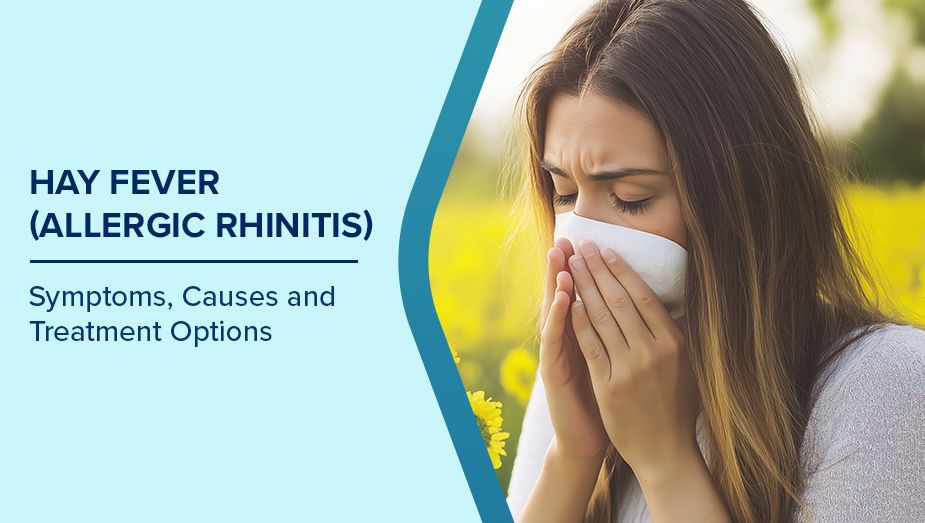
Hay fever often shows up with common symptoms such as sneezing, a runny nose, and itchy eye. It is therefore often mistaken for a common cold. But unlike the common cold that is caused by a virus, hay fever is an allergic reaction that can be triggered by pollen, dust mites, mould, or even pet dander. In many cases, symptoms appear during certain seasons, particularly spring or early summer. In others, they continue throughout the year depending on the source. Though not a serious condition, hay fever can be tiring to deal with, especially when it affects sleep or makes it hard to concentrate. To help understand the condition better, this blog covers everything you need to know about hay fever. Let’s start with the basics.
What is Hay Fever (Allergic Rhinitis)?
Hay fever, medically known as allergic rhinitis, is caused by the immune system reacting to allergens that are otherwise harmless. When these allergens are inhaled, the body releases chemicals like histamine, which lead to inflammation in the nasal passages. This inflammation is what causes the hallmark symptoms, such as sneezing, nasal blockage, and irritation in the eyes or throat.
There are two main types of hay fever: seasonal and perennial. Seasonal hay fever is usually linked to pollen from trees, grasses, or weeds and tends to flare up during specific months. Perennial hay fever, on the other hand, can occur year-round and is often triggered by indoor allergens such as dust mites or animal dander. The intensity of symptoms can vary depending on the allergen, the time of year, and the environment. Although not a serious illness, hay fever can interfere with sleep, school, work, and general comfort, especially if left unmanaged.
What Causes Hay Fever?
Hay fever occurs when the immune system reacts strongly to airborne substances that are usually harmless. These substances, known as allergens, lead to the release of histamine and other chemicals in the body. Several common triggers can lead to hay fever:
Pollen
Pollen is one of the most frequent causes of hay fever. It comes from trees, grasses, and weeds as part of their natural pollination cycle. Many people react to one or more types of pollen during the year.
- Tree pollen is usually present in early spring.
- Grass pollen tends to appear in late spring and early summer.
- Weed pollen is more common from late summer into autumn.
The severity of symptoms often depends on the time of year and the amount of pollen in the air.
Dust Mites
Dust mites are microscopic organisms found in soft furnishings such as mattresses, pillows, carpets, and curtains. The allergy is caused by proteins in their droppings rather than the mites themselves. Since these allergens are present throughout the year, they can cause year-round symptoms.
Animal Dander
Animal dander includes tiny flakes of skin, dried saliva, and particles from the urine of animals such as cats, dogs, or rabbits. These particles can remain in the air or settle into furniture and clothing, making them hard to avoid even in clean spaces.
Mould Spores
Mould grows in damp and poorly ventilated areas. Spores released into the air can trigger hay fever symptoms in sensitive individuals. Indoor sources include bathrooms and kitchens, while outdoor sources may be found in soil, compost, and decaying leaves.
Airborne Irritants
Although not allergens, substances like cigarette smoke, vehicle fumes, chemical sprays, and strong perfumes can irritate the nasal lining. This may worsen hay fever symptoms or make the nose more reactive to allergens.
Read More:- Pyrexia: The Common Fever Explained
Who is at Risk of Developing Hay Fever?
Hay fever can affect people at any stage of life, but certain factors make some individuals more likely to develop it than others.
- Family history of allergies: A person is more likely to develop hay fever if a close family member has allergies such as asthma, eczema, or allergic rhinitis.
- Other allergic conditions: Those who already have asthma, eczema, or food allergies may be more sensitive to environmental allergens that cause hay fever.
- Environmental exposure: Living in areas with high pollen counts, air pollution, or damp indoor conditions can increase the chance of developing hay fever. Early exposure to cigarette smoke may also play a role.
- Age: Hay fever often starts during childhood or adolescence but can begin later as well. For some, symptoms ease over time, but others may continue to experience them into adulthood.
- Time spent outdoors: Individuals who are outdoors frequently during high-pollen seasons, such as spring or early summer, may have a greater risk due to repeated exposure to triggers.
Recognising these risk factors can help in staying alert to early symptoms and taking steps to manage hay fever before it starts affecting daily life.
What are the Symptoms of Hay Fever?
Hay fever symptoms can range from mild to more bothersome, depending on the trigger and time of year. They usually affect the nose, eyes, throat, and sometimes the skin. In many cases, symptoms come and go with changes in weather or pollen levels. In others, they may persist throughout the year.
Common signs of hay fever include:
- Sneezing that often comes in bursts, especially in the morning or after exposure to allergens
- Runny or blocked nose, with clear discharge and a feeling of congestion
- Itchy, red, or watery eyes, often with a burning sensation
- Itchy throat, mouth, ears, or nose, caused by irritation from allergens
- Postnasal drip, where mucus runs down the back of the throat
- Coughing, especially at night due to throat irritation
- Fatigue, often due to poor sleep quality or constant nasal congestion
- Loss of smell or taste, usually when the nose is very blocked
- Headache or facial pressure, particularly around the forehead and eyes
In children, symptoms may also include rubbing the nose frequently, irritability, or trouble concentrating at school. Although hay fever is not dangerous, these symptoms can affect daily comfort, sleep, and overall well-being. Identifying them early can help in managing the condition more effectively.
Read More:- Back to Basics: Simple Home Remedies for Relieving Viral Fever Symptoms
How is Hay Fever Treated?
Hay fever cannot be cured, but the symptoms can usually be managed with the right treatment. The approach often depends on how often the symptoms appear and how much they affect daily life. Some people may only need relief during certain seasons, while others might need regular support throughout the year.
Avoiding triggers
The first step is to reduce contact with allergens. This may include staying indoors when pollen counts are high, keeping windows closed during the day, using air filters, and regularly cleaning surfaces where dust or pet dander can build up.
Antihistamines
These medicines block the action of histamine, the chemical that causes many of the allergic symptoms. They help relieve sneezing, itching, and runny nose. Non-drowsy options are available for daytime use.
Nasal sprays
Steroid nasal sprays reduce inflammation inside the nose. They can ease nasal blockage and are often used as a regular treatment during allergy seasons. Saline sprays may also help by rinsing out allergens and soothing the nasal lining.
Eye drops
For those with itchy or watery eyes, eye drops containing antihistamines or other soothing ingredients can provide relief.
Decongestants
These help relieve a blocked nose and are available as tablets or nasal sprays. However, nasal decongestant sprays should not be used for more than a few days in a row, as they may worsen symptoms if overused.
Allergy injections or tablets (immunotherapy)
In cases where symptoms are severe or do not improve with regular treatments, a doctor may suggest immunotherapy. This involves giving small, controlled amounts of the allergen over time to build tolerance. This is usually considered for long-term relief and is given under medical supervision.
Home Remedies and Tips to Manage Hay Fever
Several home-based measures can help ease symptoms and reduce contact with common allergens. These steps may not replace medical treatment but can make day-to-day life more manageable.
- Keep windows and doors closed during high-pollen hours: Pollen levels usually peak in the early morning and late evening. Keeping openings shut during these times can reduce the amount of pollen entering the home.
- Shower and change clothes after being outdoors: Pollen can settle on skin, clothes, and hair. Washing up and changing into fresh clothes can stop it from spreading indoors.
- Use a saline nasal rinse: Rinsing the nose with a saltwater solution can help flush out allergens, clear mucus, and soothe nasal irritation.
- Dry laundry indoors on high-pollen days: Hanging clothes or bedsheets outside may cause them to collect pollen, which can then trigger symptoms when brought indoors.
- Clean regularly to remove dust and pet dander: vacuuming carpets and sofas, dusting with a damp cloth, and washing bedding often can help limit allergen build-up inside the home.
- Use an air purifier: A purifier fitted with a HEPA filter can trap pollen, dust mites, and pet dander, improving indoor air quality.
- Apply a barrier balm around the nostrils: A thin layer of petroleum jelly or similar product can catch pollen before it enters the nose.
- Limit outdoor time during peak pollen seasons: Staying indoors when pollen counts are high can help prevent flare-ups, especially during spring and early summer.
- Stay hydrated and get enough rest: Drinking water helps thin mucus, and proper sleep supports the body in coping with allergy-related stress.
These steps are easy to follow and can help ease the daily burden of hay fever, especially when used along with medical treatments.
Can Hay Fever Be Prevented?
Hay fever cannot always be fully prevented, especially in people who are sensitive to airborne allergens like pollen or dust. However, certain steps can help reduce the chances of triggering symptoms or limit how often they occur.
- Know the triggers: Identifying what causes flare-ups, such as tree pollen in spring or dust mites in winter, can help in planning how to avoid them.
- Check pollen forecasts: During high-pollen seasons, staying updated with daily counts can guide decisions on outdoor activities or when to keep windows shut.
- Limit outdoor exposure during peak pollen times: Pollen levels are usually highest in the early morning and late evening. Planning time outdoors around this can help reduce contact.
- Keep indoor air clean: Using air purifiers, regularly cleaning floors and soft furnishings, and avoiding indoor smoking can lower exposure to allergens inside the home.
- Wear sunglasses outdoors: This can help protect the eyes from pollen and reduce irritation.
- Start treatment early in the season: In people with seasonal hay fever, using nasal sprays or antihistamines before symptoms begin can lower the chance of a strong reaction.
Although hay fever may not be fully avoidable, these steps can help prevent symptoms from becoming too frequent or disruptive. For those with recurring issues despite precautions, medical advice can offer more specific treatment options.
Consult Today
Living with hay fever can often feel like a never-ending cycle of discomfort, especially when symptoms start to affect sleep, focus, or simply enjoying the day. For many, small changes at home may bring some relief, but when the condition continues to interfere with daily life, it may be time to seek further support. At Max Hospital, ENT specialists help assess allergy-related symptoms in more depth and guide patients through a suitable treatment plan. If hay fever has become more than just a seasonal nuisance, booking a consultation may help bring lasting comfort and clarity.
Frequently Asked Questions
Can hay fever lead to other health problems if not treated?
Yes, long-term or untreated hay fever can cause more than just nasal symptoms. Constant inflammation may increase the risk of sinus infections, lead to nasal polyps, or worsen other existing conditions such as asthma. In some children, it may also cause ear infections or problems with hearing if fluid builds up behind the eardrum.
Is hay fever contagious?
No, hay fever is not infectious. It is caused by the immune system reacting to harmless substances like pollen, dust, or pet dander. These allergens trigger a response in sensitive individuals, but the condition itself cannot be passed on to others.
Does diet have any effect on hay fever symptoms?
For some people, yes. A condition called oral allergy syndrome can cause itching or swelling in the mouth after eating certain raw fruits, vegetables, or nuts. This happens because some proteins in these foods are similar to pollen proteins. For example, people allergic to birch pollen may react to apples or carrots. Cooking these foods often removes the problem.
Can children outgrow hay fever?
Some children may notice fewer symptoms as they grow, especially if their exposure to allergens changes or their immune response becomes less reactive over time. However, hay fever can also continue into adulthood or return later in life, particularly during high-pollen seasons.
Are there any long-term treatments available for hay fever?
Yes. Immunotherapy is a long-term treatment option that helps reduce sensitivity to allergens. It involves exposing the body to small, regular doses of the allergen, either through injections or dissolvable tablets placed under the tongue. This treatment is usually considered when symptoms are severe or not well controlled with usual medicines. It is given under medical supervision and may take several months or years to show full benefit.
How can I tell if it’s hay fever or a cold?
Both can cause a runny nose and sneezing, but hay fever usually comes with itchy eyes, a clear nasal discharge, and no fever. Colds may include a sore throat, body aches, and thicker mucus that turns yellow or green. Colds also tend to clear up within a week or two, while hay fever may persist or come and go with the seasons.
Is it safe to take hay fever medicines every day?
Many people do take antihistamines or nasal sprays daily during allergy seasons, and this is generally safe when done under medical advice. Some nasal sprays, especially decongestant types, should not be used for more than a few days in a row. Regular follow-up with a doctor can help ensure that the treatment remains effective and does not cause side effects with long-term use.
Written and Verified by:

Related Blogs


Dr. Vandana Boobna In Internal Medicine
Nov 08 , 2020 | 2 min read
Blogs by Doctor


What is Zika Virus: Causes, Signs, Symptoms, Cure and Preventions
Dr. Monica Mahajan In Internal Medicine
Jun 27 , 2024 | 4 min read
Most read Blogs


Related Blogs
Dr. Vandana Boobna In Internal Medicine
Nov 08 , 2020 | 2 min read
Blogs by Doctor
What is Zika Virus: Causes, Signs, Symptoms, Cure and Preventions
Dr. Monica Mahajan In Internal Medicine
Jun 27 , 2024 | 4 min read
Most read Blogs