 WhatsApp Us (24/7)
 +91 926 888 0303 (24/7)


To Book an Appointment
Call Us+91 926 888 0303Food Poisoning: Symptoms, Treatment, and Prevention
By Dr. Namrita Singh in Internal Medicine
Jan 05 , 2026 | 9 min read
11

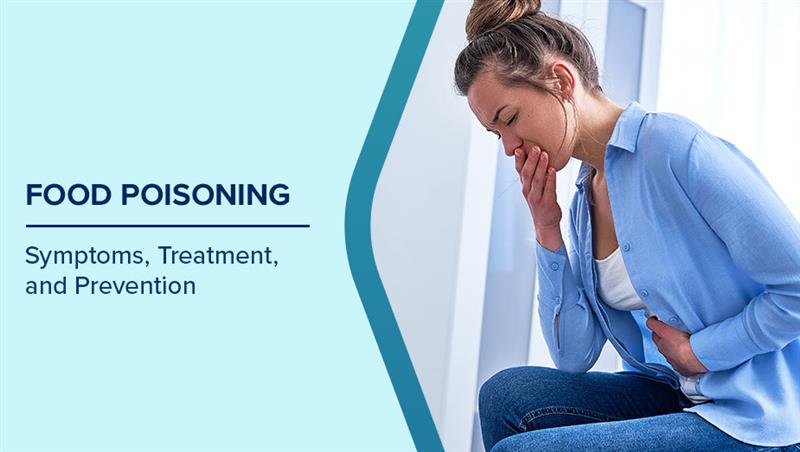
Food poisoning, caused by consuming contaminated food, is more common than many people think. It can occur after eating anything from a home-cooked meal to a takeaway dish. The main causes of food poisoning are usually harmful bacteria, viruses, or parasites that contaminate food during production, preparation, or storage. While most cases are mild and resolve without medical intervention, some can be severe and even life-threatening. Recognising the symptoms, understanding how to treat it, and learning how to prevent it, therefore, are crucial for staying safe and healthy. This blog breaks down everything you need to know about food poisoning in clear, straightforward terms, starting with the pathogens that contaminate the food.
What Causes Food Poisoning?
Food poisoning occurs when harmful microorganisms or toxins contaminate food or water. Contamination can happen at any stage, from production to preparation, and is often caused by improper handling, storage, or cooking. The main culprits include:
Bacteria
Certain bacteria multiply quickly in food, especially in warm or improperly stored conditions. Salmonella is commonly found in raw eggs, poultry, and unpasteurised dairy. E. coli is often linked to undercooked meat and contaminated vegetables. Listeria can survive refrigeration and is found in deli meats, soft cheeses, and raw sprouts.
Viruses
Foodborne viruses spread through contaminated food, water, or poor hygiene. Norovirus, a leading cause of food poisoning, spreads easily through raw produce and shellfish. Hepatitis A can also be transmitted through contaminated food, particularly if handled by someone with poor hand hygiene.
Parasites
Some parasites, such as Giardia and Cryptosporidium, contaminate water and fresh produce. Toxoplasma gondii, found in undercooked meat, can be especially dangerous for pregnant women and those with weakened immune systems.
Toxins
Certain bacteria, like Staphylococcus aureus and Clostridium botulinum, release toxins that cause illness. Staphylococcus can grow in food left at temperatures that allow bacterial growth, while Clostridium botulinum produces a toxin that affects the nervous system, leading to botulism, a rare but serious condition.
What are the Symptoms of Food Poisoning?
Food poisoning symptoms vary depending on the cause and severity of the infection. They can appear within a few hours or take several days to develop. Common symptoms include:
- Nausea and vomiting – The body’s natural response to expel harmful substances. Vomiting can lead to dehydration if fluids are not replaced.
- Diarrhoea – Loose, watery stools are common, sometimes with blood or mucus in bacterial infections such as E. coli or Salmonella. Persistent diarrhoea increases the risk of dehydration.
- Stomach cramps and abdominal pain – Pain can range from mild discomfort to severe cramping, often due to irritation and inflammation in the digestive system.
- Fever and chills – A sign of the body fighting infection, often present in bacterial and viral food poisoning.
- Fatigue and weakness – A result of fluid loss, electrolyte imbalance, and the body using energy to fight the infection.
- Headache and muscle aches – Some foodborne infections cause body aches, similar to flu symptoms.
- Dehydration – A serious concern in severe cases, marked by dry mouth, extreme thirst, dizziness, reduced urination, and weakness.
How is Food Poisoning Treated?
Most cases of food poisoning resolve within a few days, but proper care is essential to prevent complications such as dehydration. Treatment focuses on managing symptoms, staying hydrated, and allowing the body to recover. The approach depends on the severity of symptoms and the cause of the infection.
At-Home Care
Mild cases of food poisoning can often be managed at home with the following steps:
- Increase Fluid Intake: Vomiting and diarrhoea can cause dehydration, so drinking plenty of fluids is essential. Small sips of water, herbal teas, diluted fruit juices, or coconut water can help replace lost fluids. Oral rehydration solutions (ORS) are useful for restoring electrolytes. Drinks containing caffeine or alcohol should be avoided, as they can worsen dehydration.
- Eat Light, Easily Digestible Foods: The digestive system becomes sensitive, so bland foods such as plain rice, boiled potatoes, bananas, toast, and crackers are easier to tolerate. Spicy, fried, and dairy-based foods should be avoided, as they can aggravate nausea and diarrhoea.
- Ginger Tea: Ginger has natural anti-nausea properties and can help soothe the stomach. Sipping warm ginger tea or chewing on a small piece of fresh ginger may provide relief.
- Apple Cider Vinegar: A diluted mixture of apple cider vinegar and water may help balance stomach acidity and fight bacteria. However, it should be used cautiously and avoided in cases of severe stomach irritation.
- Probiotics: Yoghurt or probiotic supplements may help restore healthy gut bacteria after food poisoning. They can be particularly beneficial following bacterial infections that affect the digestive system.
- Rest and Recovery: Getting enough rest is important, as the body needs energy to fight the infection. Physical activity should be limited until symptoms improve.
Medications
Medications can help relieve symptoms but should be used with caution.
- Anti-diarrhoea medicines: These can help slow bowel movements and provide relief in mild cases. However, it should not be used if there is bloody diarrhoea or a high fever, as this may indicate a bacterial infection that needs to clear naturally.
- Pain and fever relief: Paracetamol can help reduce fever, body aches, and headaches. Aspirin and ibuprofen should be used cautiously, as they may irritate the stomach.
- Antacids and anti-nausea medications: Some over-the-counter antacids may help with stomach discomfort, while certain anti-nausea medications can be prescribed by a doctor if vomiting is severe.
- Antibiotics: These are only used for specific bacterial infections, such as Salmonella or Shigella, and should only be taken if prescribed by a doctor. They are ineffective against viral food poisoning and may even worsen some bacterial infections.
How Can Food Poisoning Be Prevented?
Preventing food poisoning involves safe food handling, proper cooking, and good hygiene practices. Simple precautions can help reduce the risk of contamination and foodborne illnesses.
Safe Food Handling
- Wash Hands and Surfaces: Hands should be washed with soap and water before preparing food and after handling raw meat, poultry, seafood, or eggs. Kitchen surfaces, utensils, and cutting boards should be cleaned thoroughly to prevent cross-contamination.
- Separate Raw and Cooked Foods: Raw meat, poultry, and seafood should be kept separate from cooked foods and fresh produce. Using different cutting boards and utensils for raw and cooked foods can help prevent bacterial spread.
- Store Food Properly: Perishable foods should be refrigerated at 5°C or below, and frozen foods should be kept at -18°C. Leftovers should be stored in airtight containers and consumed within a safe time frame.
Proper Cooking and Food Preparation
- Cook Food Thoroughly: Meat, poultry, seafood, and eggs should be cooked to their recommended internal temperatures. A food thermometer can help ensure food is cooked properly.
- Avoid Raw or Undercooked Foods: Consuming raw eggs, seafood, or unpasteurised dairy products increases the risk of foodborne infections.
- Reheat Leftovers Safely: Cooked food should be reheated to at least 75°C before eating. Food should not be reheated multiple times, as this increases the risk of bacterial growth.
Safe Food Choices
- Check Expiry Dates: Expired foods should be discarded, and packaged foods should be checked for signs of spoilage.
- Avoid Contaminated Water and Food: Drinking water should be clean and safe. When travelling or dining out, food should be chosen from hygienic sources. Street food should be consumed cautiously, as poor storage and handling can increase the risk of contamination.
Hygiene and Awareness
- Wash Fruits and Vegetables: Fresh produce should be rinsed under running water to remove dirt and pesticides. Leafy greens should be soaked and washed thoroughly.
- Be Cautious With Food Allergies and Sensitivities: Some individuals may be more sensitive to certain foods or bacteria. Awareness of food safety is important, especially when preparing food for children, older adults, or those with weakened immune systems.
Taking these precautions can significantly lower the risk of foodborne illnesses and ensure food remains safe to eat.
When to Seek Medical Help
Medical attention is needed if symptoms persist, worsen, or lead to complications. Immediate medical care is required if any of the following symptoms appear:
- Severe dehydration: Signs include extreme thirst, dry mouth, sunken eyes, reduced urination, dizziness, confusion, or a rapid heartbeat.
- Persistent vomiting: Being unable to keep fluids down for more than 24 hours increases the risk of severe dehydration.
- Bloody diarrhoea: The presence of blood or mucus in stools may indicate a serious bacterial infection that requires medical treatment.
- High fever: A temperature above 38.5°C that does not improve with fever-reducing medication.
- Neurological symptoms: Blurred vision, difficulty swallowing, muscle weakness, or tingling in the hands and feet may suggest foodborne toxins, such as botulism, which require urgent medical care.
Consult Today
Food poisoning can be unsettling, leaving the body weak and dehydrated. Mild cases improve with rest and hydration, but severe symptoms require medical attention. Gastroenterologists at Max Hospital provide specialised care for diagnosing and treating foodborne illnesses. If symptoms persist or worsen, a consultation can help determine the cause and the best course of treatment. Visit Max Hospital to consult a specialist and get the right care when it is needed most.
Frequently Asked Questions
How soon do symptoms appear after eating contaminated food?
Symptoms of food poisoning can appear anywhere from a few hours to several days after consuming contaminated food. The timing depends on the type of bacteria, virus, or toxin involved. In most cases, symptoms develop within 6 to 24 hours, but some infections, such as Listeria, may take days or even weeks to appear.
Is food poisoning contagious?
Certain types of food poisoning, particularly those caused by viruses (norovirus, rotavirus), can spread from person to person through contaminated hands, surfaces, or food. Bacterial infections are less likely to be contagious but can still spread through poor hygiene, such as not washing hands properly after using the toilet.
Are certain foods more likely to cause food poisoning than others?
Yes, some foods carry a higher risk of contamination, including:
- Raw or undercooked meat, poultry, and seafood
- Unpasteurised milk and dairy products
- Raw eggs and foods containing them, such as homemade mayonnaise
- Unwashed fruits and vegetables
- Cooked rice and pasta that have been left at room temperature for too long
- Deli meats and ready-to-eat foods that have not been stored properly
Can food poisoning trigger other digestive issues, such as IBS?
Some people develop long-term digestive problems after recovering from food poisoning. Post-infectious irritable bowel syndrome (IBS) can occur, especially after bacterial infections such as Salmonella or Campylobacter. Symptoms may include bloating, abdominal pain, and irregular bowel movements that persist even after the infection has cleared.
Can food poisoning be mistaken for other illnesses, such as a stomach virus?
Yes, food poisoning and stomach viruses (viral gastroenteritis) have similar symptoms, including nausea, vomiting, diarrhoea, and stomach cramps. The main difference is that food poisoning is caused by contaminated food or water, while viral gastroenteritis spreads through person-to-person contact. Food poisoning also tends to develop more suddenly and may include symptoms like fever or blood in the stool, depending on the cause.
When can normal eating habits be resumed after recovering from food poisoning?
Normal eating habits can usually be resumed once symptoms have fully settled. It is best to start with bland, easily digestible foods like plain rice, toast, bananas, and boiled potatoes before gradually reintroducing regular meals. Fatty, spicy, and dairy-rich foods should be avoided until digestion returns to normal. Staying hydrated and eating smaller meals can help ease the transition.
Written and Verified by:

Related Blogs


Dr. Vandana Boobna In Internal Medicine
Nov 08 , 2020 | 2 min read
Blogs by Doctor

What is Anaemia: Symptoms, Causes & Prevention Strategies
Dr. Namrita Singh In Internal Medicine
Jul 29 , 2024 | 3 min read

Typhoid Fever Symptoms, Diagnosis, and Debunking Common Myths
Dr. Namrita Singh In Internal Medicine
Jul 31 , 2024 | 2 min read
Most read Blogs


Related Blogs
Dr. Vandana Boobna In Internal Medicine
Nov 08 , 2020 | 2 min read
Blogs by Doctor
What is Anaemia: Symptoms, Causes & Prevention Strategies
Dr. Namrita Singh In Internal Medicine
Jul 29 , 2024 | 3 min read
Typhoid Fever Symptoms, Diagnosis, and Debunking Common Myths
Dr. Namrita Singh In Internal Medicine
Jul 31 , 2024 | 2 min read
Most read Blogs