 WhatsApp Us (24/7)
 +91 926 888 0303 (24/7)


To Book an Appointment
Call Us+91 926 888 0303Male Fertility: Key Factors, Habits & How to Improve
By Dr. Anil Kumar Varshney in Urology
Jul 08 , 2025 | 3 min read

Fertility is often thought of as a woman's concern, but male reproductive health is just as important in a couple's journey to parenthood. Yet many men are unaware of how their lifestyle, habits, and health can affect their ability to father a child. Whether trying to start a family now or hoping to do so in the future, understanding male fertility is essential for every man. Taking simple, proactive steps can improve sperm health, increase the chances of conception, and protect reproductive health for years to come.
What is Male Fertility?
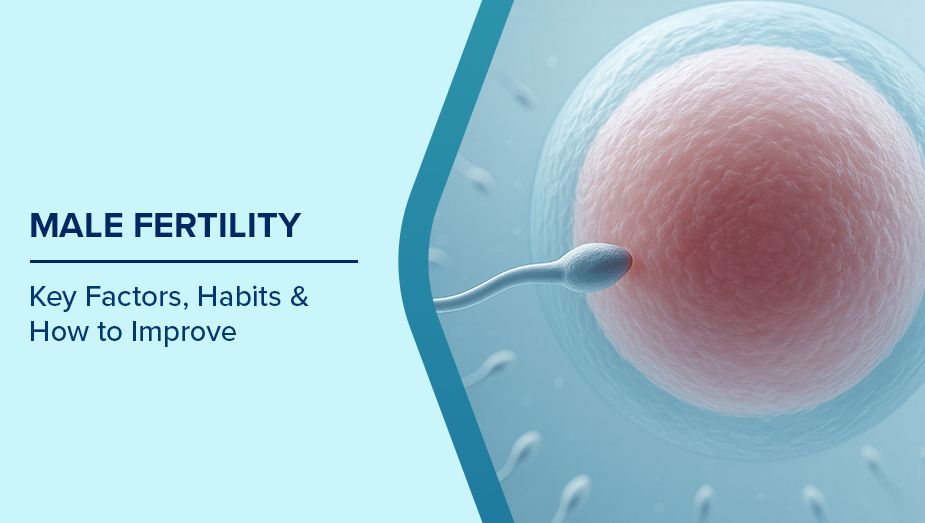
Male fertility refers to a man's ability to father a child. It depends on several factors, including the production of healthy sperm, the number of sperm (sperm count), their ability to move effectively (motility), and their structure. If any of these factors are abnormal, it can make conception difficult.
Factors That Affect Male Fertility
Many men don't realise how everyday habits and health conditions can impact their fertility. Here are some important factors:
- Age: Male fertility begins to decline gradually after the age of 40.
- Medical conditions: Diabetes, hormone imbalances, infections like mumps, or injuries to the testicles can harm sperm production.
- Medications: Certain medications used to treat ulcers, depression, or high blood pressure can impact sperm health.
- Environmental factors: Exposure to toxins, pesticides, heavy metals, or radiation can reduce fertility.
- Genetics: Certain inherited conditions, such as Klinefelter syndrome, can affect fertility.
Lifestyle Habits That Harm Fertility
Lifestyle plays a huge role in sperm health. Some habits can lower sperm count or damage sperm quality, including:
- Smoking: Reduces sperm count and motility.
- Excessive alcohol: Can lower testosterone and sperm production.
- Drug use: Steroids, marijuana, and recreational drugs harm sperm health.
- Obesity: Being overweight disrupts hormones and lowers sperm count.
- Sedentary lifestyle: Lack of exercise can contribute to obesity and poor circulation.
Habits to Improve Male Fertility
The good news is that small lifestyle changes can make a big difference. Here's what helps:
- Eat a balanced diet: Fruits, vegetables, lean protein, whole grains, and healthy fats provide nutrients that support sperm health.
- Exercise regularly: Moderate exercise helps maintain a healthy weight and boosts circulation.
- Manage stress: Chronic stress affects hormone levels and sperm production.
- Get enough sleep: 7-8 hours of restful sleep supports overall and reproductive health.
- Avoid heat exposure: Frequent hot baths, saunas, or placing laptops on the lap can raise scrotal temperature and harm sperm.
When to See a Doctor About Fertility
It's important not to delay seeking help if pregnancy isn't happening despite trying. See a fertility specialist if:
- Pregnancy hasn't occurred after 12 months of regular, unprotected sex.
- There is a history of testicular trauma, surgery, or infection.
- Sexual function issues like low libido or difficulty with erections occur.
- Swelling or lumps are present in the testicles.
- There are known genetic conditions or hormone problems.
Early consultation can identify and address issues, improving the chances of fathering a child.
Conclusion
Male fertility is a vital part of a couple's journey to parenthood, yet it's often overlooked. By understanding what affects sperm health, adopting healthy habits, and seeking help when needed, men can improve their chances of conception and support lifelong reproductive health. Every man should take charge of his fertility today, it's a decision that can shape the future.
Frequently Asked Questions
How long does it take for lifestyle changes to improve sperm health?
Sperm takes about 2-3 months to develop fully. Therefore, positive changes in diet, exercise, or habits can begin to improve sperm quality within that time.
Can cycling affect male fertility?
Long hours of cycling on hard seats can increase scrotal temperature and pressure, which may harm sperm over time. Using padded seats and taking breaks can help.
Are supplements like zinc or folic acid helpful for male fertility?
Yes, nutrients like zinc, folic acid, selenium, and vitamins C and E have been linked to better sperm health. However, consult a doctor before starting any supplements.
Does wearing tight underwear cause infertility?
Wearing tight underwear may slightly raise scrotal temperature, which could impact sperm production. Looser-fitting boxers can help keep temperatures optimal.
Can past sexually transmitted infections (STIs) affect male fertility?
Yes, untreated STIs like chlamydia or gonorrhoea can cause inflammation or blockages that harm fertility. Early treatment helps reduce these risks.
Written and Verified by:

Related Blogs

Dr. Anant Kumar In Urology , Kidney Transplant , Uro-Oncology
Nov 08 , 2020 | 8 min read
Dr. Shailendra Kumar Goel In Urology , Kidney Transplant , Uro-Oncology
Nov 08 , 2020 | 4 min read
Blogs by Doctor

What is Extracorpeal Shockwave Lithotripsy (ESWL)?
Dr. Anil Kumar Varshney In Urology
Jun 06 , 2017 | 2 min read

Know About Our High Power Holmium Laser For Management of Enlarged Prostate!
Dr. Anil Kumar Varshney In Urology
Jul 06 , 2017 | 1 min read
Most read Blogs


Related Blogs
Dr. Anant Kumar In Urology , Kidney Transplant , Uro-Oncology
Nov 08 , 2020 | 8 min read
Dr. Shailendra Kumar Goel In Urology , Kidney Transplant , Uro-Oncology
Nov 08 , 2020 | 4 min read
Blogs by Doctor
What is Extracorpeal Shockwave Lithotripsy (ESWL)?
Dr. Anil Kumar Varshney In Urology
Jun 06 , 2017 | 2 min read
Know About Our High Power Holmium Laser For Management of Enlarged Prostate!
Dr. Anil Kumar Varshney In Urology
Jul 06 , 2017 | 1 min read
Most read Blogs