 WhatsApp Us (24/7)
 +91 926 888 0303 (24/7)


To Book an Appointment
Call Us+91 926 888 0303Noticing Facial Swelling? Here are the Possible Causes & Treatments
By Dr. Varsha Verma in Dermatology
Jun 20 , 2025 | 10 min read
24

Facial swelling can be a cause for concern, particularly when it arises suddenly or persists a long time. It may stem from a variety of factors, ranging from common triggers such as allergies or insect bites to more serious causes such as infections or systemic health issues. Identifying the underlying cause is essential, as some causes of swelling require immediate medical intervention. This article provides a detailed overview of the primary causes of facial swelling, and the treatments commonly employed to manage this condition effectively. But before we get into that, let us first understand how facial swelling presents itself.
What is Facial Swelling?
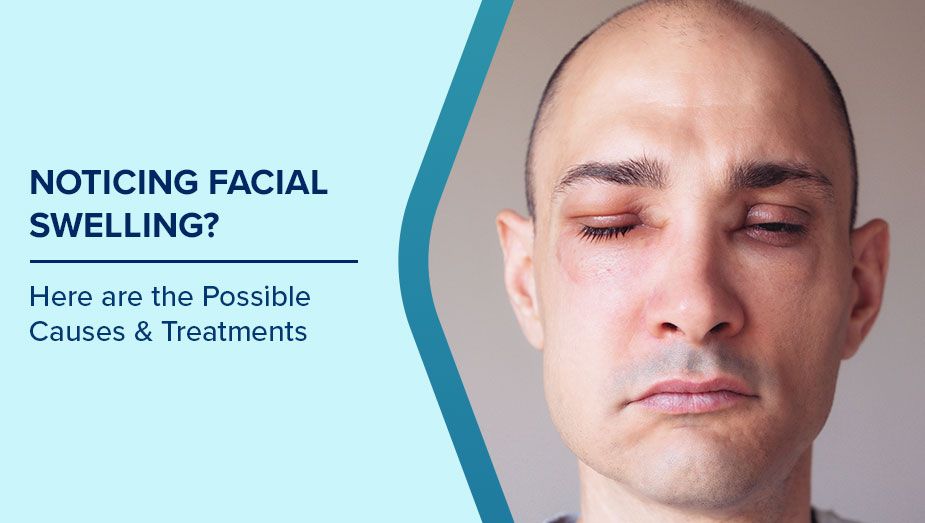
Facial swelling is the noticeable enlargement or puffiness of the face that occurs when fluid, inflammation, or excess tissue builds up beneath the skin. This swelling can affect various areas, including the cheeks, eyelids, lips, or jaw, and may appear on one side or both sides of the face. The degree of swelling can range from mild puffiness to severe distortion of facial features. It often indicates an underlying problem, such as an allergic reaction, infection, injury, or other health conditions like sinus issues or dental problems. In some cases, facial swelling may be accompanied by pain, redness, or warmth, which can help identify its cause.
What Causes Facial Swelling?
Facial swelling occurs for various reasons, each linked to different underlying conditions. Understanding these causes in detail helps identify the correct treatment and the urgency of medical care.
Allergic Reactions
Allergic reactions are one of the most frequent causes of sudden facial swelling. When the immune system encounters an allergen, such as certain foods (nuts, shellfish), insect stings, medications, or environmental triggers like pollen, it releases histamine and other chemicals. These substances increase blood vessel permeability, allowing fluid to escape into surrounding tissues. This results in noticeable puffiness, itching, redness, and sometimes pain. In some cases, swelling may involve the lips, eyes, and throat, which can restrict breathing and require immediate emergency attention. This severe form of allergic swelling is known as angioedema.
Infections
Infections cause facial swelling by triggering inflammation, which is the body's natural response to fight harmful bacteria, viruses, or fungi. Common facial infections include:
- Cellulitis: This is a bacterial infection of the skin and underlying tissues, usually caused by Staphylococcus or Streptococcus bacteria. It causes redness, warmth, pain, and swelling. The affected area may spread quickly and needs prompt antibiotic treatment to prevent complications.
- Dental abscess: An abscess is a pocket of pus caused by a bacterial infection, often occurring at the root of a tooth. The infection can cause swelling in the jaw, cheeks, or under the eyes, sometimes accompanied by severe toothache and fever. If untreated, it can spread to other parts of the head or neck.
- Sinusitis: Inflammation or infection of the sinuses, the air-filled spaces around the nose and eyes, causes pressure build-up that leads to swelling, especially around the cheeks, eyes, and forehead. Sinus infections may also cause pain, nasal congestion, and discharge.
- Mumps: This viral infection mainly affects the salivary glands, causing painful swelling on one or both sides of the face near the jawline.
Injuries and Trauma
Facial injuries result in swelling due to damage to blood vessels and tissues, which causes blood and fluids to leak into surrounding areas. Types of injury-related swelling include:
- Bruises and contusions: Impact from falls, accidents, or blows causes blood vessels beneath the skin to rupture, leading to swelling and discoloration.
- Fractures: Broken bones in the face, such as the nose, cheekbones, or jaw, cause significant swelling as part of the body’s healing response.
- Cuts and wounds: These trigger inflammation, increased blood flow, and fluid accumulation, which results in swelling and tenderness around the injury site.
The severity and location of the injury determine how pronounced the swelling will be and how urgently medical treatment is needed.
Medical Conditions Affecting Fluid Balance
Certain chronic health problems disrupt the body's ability to regulate fluids, leading to facial swelling, often accompanied by swelling elsewhere in the body:
- Kidney disease: When the kidneys are unable to remove excess fluid properly, it builds up in tissues, including the face, causing puffiness, especially around the eyes in the morning. This swelling is often soft and may worsen throughout the day.
- Thyroid disorders: Hypothyroidism, or underactive thyroid, can cause myxoedema, a form of swelling characterised by thickened, puffy skin, particularly around the eyes and cheeks.
- Heart failure: Poor heart function can cause fluid retention in the body, including the face and lower limbs, as the heart struggles to pump blood effectively.
- Liver disease: Severe liver problems, such as cirrhosis, reduce the production of proteins that help keep fluid inside blood vessels, leading to swelling in various areas, including the face.
Medication Side Effects
Some medications cause facial swelling as a side effect. These include:
- Corticosteroids: Used to reduce inflammation but can cause fluid retention with prolonged use.
- Blood pressure medications: Certain drugs like calcium channel blockers, may cause swelling by relaxing blood vessels and increasing fluid leakage into tissues.
- Nonsteroidal anti-inflammatory drugs (NSAIDs): Occasionally cause allergic reactions or fluid retention, leading to swelling.
- Hormonal medications, Such as oral contraceptives or hormone replacement therapy, which may influence fluid balance and cause puffiness.
If swelling develops after starting a new medication, it is important to consult a healthcare professional.
Hormonal Changes
Hormonal fluctuations can affect fluid retention and cause mild facial swelling. Common examples include:
- Pregnancy: Increased blood volume and hormonal shifts often cause puffiness in the face and hands.
- Menstrual cycle: Some women experience facial swelling due to water retention linked to hormonal changes before or during their period.
Dental and Oral Procedures
Certain dental treatments or surgeries, such as tooth extractions, root canals, or corrective jaw surgery, often lead to temporary facial swelling. This occurs because the tissues become inflamed in response to trauma during the procedure. The swelling usually peaks within a few days and then gradually subsides.
Other Causes
Additional causes of facial swelling include:
- Cushing’s syndrome: A condition caused by excessive cortisol that leads to a rounded, swollen face known as “moon face.”
- Angioedema without allergy: Sometimes swelling occurs due to hereditary or idiopathic causes affecting blood vessel permeability without an obvious allergic trigger.
- Tumours or cysts: Growths in the facial area can cause swelling by pressing on tissues or causing fluid build-up.
How is the Cause of Facial Swelling Diagnosed?
Taking Medical History
The diagnostic process starts by gathering a detailed medical history. This includes learning when the swelling began and how long it has lasted. Any recent injuries, insect bites, or exposure to allergens are important to note. Other symptoms such as pain, fever, or difficulty breathing also provide valuable information. A history of conditions like allergies, thyroid problems, kidney or heart disease, medications taken, and recent dental or surgical procedures helps narrow down possible causes.
Physical Examination
Next, a careful physical examination is carried out. The healthcare professional examines the location and extent of swelling, observing whether one or both sides of the face are affected. The presence of redness, warmth, tenderness, or bruising is noted. Examination of the mouth, teeth, sinuses, and lymph nodes is performed to check for infection or abnormalities. The ability to open the mouth and move the jaw is assessed, and vital signs such as temperature, heart rate, and blood pressure are checked to detect any wider systemic involvement.
When is Facial Swelling Considered a Medical Emergency?
Facial swelling may not always be serious, but certain signs should never be ignored. Immediate medical attention is required if any of the following occur:
- Sudden and fast-spreading swelling, especially when it appears without warning
- Swelling of the lips, tongue, or throat, often linked to severe allergic reactions such as anaphylaxis
- Difficulty breathing, wheezing, or chest tightness, which may signal airway obstruction
- Swelling that causes the eyes to close or affects vision, indicating a possible deep infection or abscess
- Severe pain, redness, or warmth around the swollen area, which could suggest cellulitis or another spreading infection
- High fever, confusion, or fatigue accompanying swelling, pointing to possible systemic involvement
- Swelling after trauma, especially if there is bruising around the eyes, bleeding from the nose or ears, or a change in consciousness, which could indicate a fracture or head injury
- Persistent or worsening swelling, especially when home care does not help and the cause is unclear
Recognising these signs early and seeking medical help without delay can help prevent complications and ensure proper treatment.
What Treatments are Available for Facial Swelling?
Treatment for Allergic Reactions
Facial swelling caused by allergic reactions is usually managed with antihistamines to block the body’s response to allergens. Corticosteroids may be prescribed in moderate to severe cases to reduce inflammation. In emergencies such as anaphylaxis, an adrenaline injection is given immediately to prevent airway blockage and other serious complications.
Treatment for Infections
If the swelling results from a bacterial or viral infection, appropriate medication is needed. Bacterial infections are treated with antibiotics, while antiviral drugs may be given for certain viral conditions. In the case of dental abscesses or infected gums, dental procedures, drainage, and oral antibiotics are often required to clear the infection and relieve the swelling.
Management of Injuries
Swelling due to facial injuries like blunt trauma or fractures depends on the extent of the damage. Minor injuries may improve with cold compresses, rest, and pain relief. However, more serious cases might require surgical treatment, realignment of broken bones, or close observation in a hospital setting.
Relief for Sinus-Related Swelling
When sinus infections are the cause, treatment typically involves nasal decongestants, saline rinses, and possibly antibiotics if a bacterial infection is present. Reducing sinus pressure can help relieve the associated facial swelling.
Long-Term Management for Chronic Conditions
Chronic medical conditions such as thyroid disorders, kidney disease, or heart problems may lead to recurring facial swelling. Managing the underlying condition with ongoing medical care is necessary to control and reduce these episodes.
What are Some Home Remedies to Reduce Facial Swelling?
Mild facial swelling that is not linked to a serious medical condition may improve with simple home remedies. These methods can help reduce puffiness, ease discomfort, and support the body’s natural healing process. However, they are best suited for temporary or minor swelling and should not replace medical care when symptoms are severe or persistent.
- Cold Compress: Applying a clean, cold compress or a cloth-wrapped ice pack to the swollen area can help reduce inflammation and numb any discomfort. It is best used for swelling caused by injury, insect bites, or allergic reactions. Each application should be limited to 10–15 minutes at a time to avoid skin damage.
- Elevation: Keeping the head elevated, especially while sleeping, helps reduce fluid buildup in the face. This can be particularly useful for swelling around the eyes or after facial procedures or injuries.
- Gentle Massage: A light, upward massage using clean hands can help improve circulation and lymphatic drainage. This may reduce puffiness and support recovery, but it should be avoided if the swelling is due to infection, injury, or any condition that causes pain with touch.
- Hydration: Drinking plenty of water helps flush out excess salt from the body, which can contribute to fluid retention and facial swelling. Staying hydrated also supports overall skin and tissue health.
- Avoiding Triggers: If the swelling is related to allergies or dietary factors, avoiding known triggers such as certain foods, insect exposure, or skincare products may prevent it from worsening.
What Can You Do to Prevent Facial Swelling?
Preventing facial swelling involves addressing the underlying triggers and adopting habits that support overall health. Although some causes may not be entirely avoidable, many everyday factors can be managed to reduce the chances of swelling
- Identify and Avoid Allergens: One of the most effective ways to prevent swelling caused by allergies is to stay away from known allergens. These may include certain foods, insect stings, dust, pollen, or specific cosmetic or skincare products. Using hypoallergenic products and taking prescribed preventive medications can also be helpful in some cases.
- Practise Good Dental Hygiene: Infections in the teeth or gums are a common cause of facial swelling. Brushing twice a day, flossing regularly, and visiting a dentist for routine check-ups can help prevent dental problems that may lead to swelling.
- Protect Against Injury: Wearing protective gear during sports, avoiding risky physical activities without safety precautions, and being cautious to prevent falls or accidents can reduce the risk of trauma-related swelling.
- Manage Chronic Health Condition: Conditions such as thyroid imbalance, kidney disease, or sinus problems may contribute to repeated episodes of swelling. Keeping these conditions under control with regular medical supervision can lower the risk of flare-ups.
- Limit Excess Salt and Alcohol: Too much salt or alcohol can cause water retention in the body, often seen as puffiness in the face. Maintaining a balanced diet and staying hydrated can help regulate fluid levels and prevent swelling.
By taking these preventive steps, the chances of developing facial swelling due to everyday causes can be greatly reduced. However, any unexpected or severe swelling should still be evaluated by a healthcare provider.
Consult Today
Facial swelling, particularly when it appears suddenly or does not settle over time, can understandably cause concern and uncertainty. In such situations, timely medical assessment not only provides reassurance but also helps detect any underlying issues before they become more serious. At Max Hospital, specialists from internal medicine, ENT, dermatology, and dentistry come together to carefully examine the cause and advise the most appropriate course of treatment. Book a consultation at Max Hospital to receive the care and attention the condition requires.
Written and Verified by:

Related Blogs


Blogs by Doctor

Fungal Infections: Types, Causes and Treatment Options
Dr. Varsha Verma In Dermatology
Jun 18 , 2025 | 11 min read
Most read Blogs


Related Blogs
Blogs by Doctor
Fungal Infections: Types, Causes and Treatment Options
Dr. Varsha Verma In Dermatology
Jun 18 , 2025 | 11 min read
Most read Blogs