 WhatsApp Us (24/7)
 +91 926 888 0303 (24/7)


To Book an Appointment
Call Us+91 926 888 0303Endoscopy in Gynaecologic Oncology: Precision and Early Detection
By Dr. Rakhi Gupta in Obstetrics And Gynaecology
Sep 10 , 2025 | 4 min read

Cancer affecting the female reproductive system remains a major health concern worldwide. The chances of recovery are strongly linked to how early the disease is detected. This is where endoscopy in gynaecologic oncology has changed the landscape.
With modern techniques, doctors can identify cancers at an earlier stage, treat them with greater accuracy, and help women recover faster. The importance of early detection cannot be overstated, as it offers women the best chance of preserving both health and quality of life.
Understanding Endoscopy in Gynaecologic Oncology
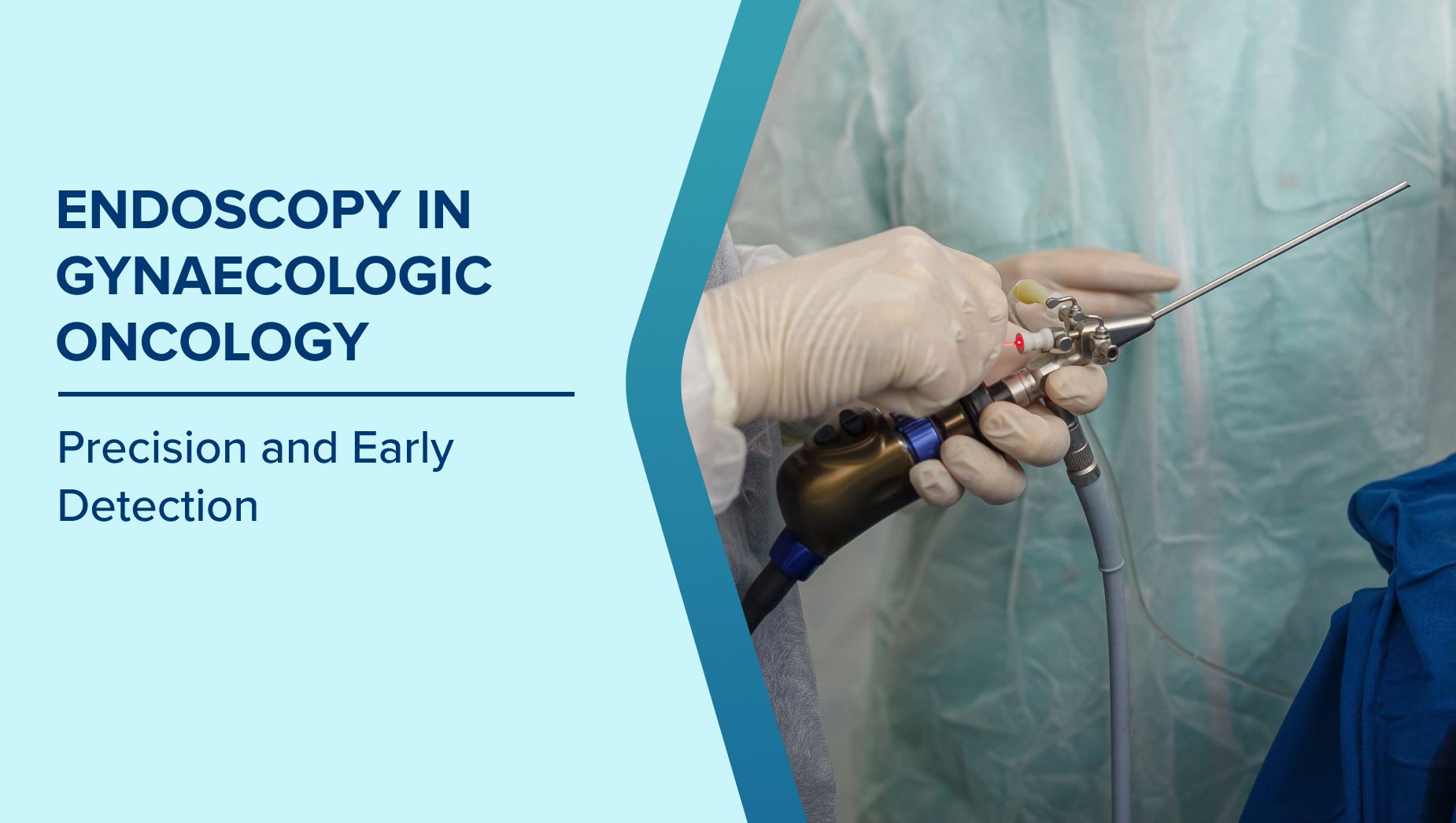
Endoscopy refers to the use of thin, flexible instruments equipped with cameras and light sources to view the inside of the body. In gynaecologic oncology, these instruments are introduced through small incisions or natural openings, allowing doctors to directly visualise the uterus, ovaries, cervix, and fallopian tubes.
Two common methods are used:
- Laparoscopy in cervical cancer and other gynaecologic tumours: Small cuts are made in the abdomen through which a laparoscope is inserted. This helps surgeons examine the pelvic organs, take biopsies, or perform precise surgical procedures.
- Hysteroscopy for uterine cancer: A slender instrument is passed through the vagina and cervix into the uterus, enabling direct evaluation of abnormal growths or polyps without external cuts.
These methods combine advanced imaging with minimally invasive surgery in gynaecologic cancer care, ensuring both accurate diagnosis and patient comfort.
Precision and Early Detection in Women’s Cancers
The greatest strength of endoscopy lies in its ability to detect cancers at an early stage. Tiny lesions that might not be visible on ultrasound or MRI can often be identified endoscopically. This makes a significant difference in survival rates, particularly in diseases like ovarian or uterine cancer, where symptoms may appear late.
Endoscopy also allows for precision diagnosis in gynaecologic oncology. Tissue samples collected through targeted biopsies improve the accuracy of pathology reports. In many cases, women are spared unnecessary extensive surgery because doctors can determine the exact nature of the tumour before proceeding.
Applications Across Different Gynaecologic Cancers
Endoscopic techniques are now applied across a wide range of women’s cancers:
- Ovarian cancer: The role of endoscopy in ovarian cancer is vital for staging and assessing how far the disease has spread. It also aids in planning the right treatment pathway.
- Cervical cancer: Laparoscopy in cervical cancer helps in both diagnosis and surgical procedures, including the removal of lymph nodes to check for disease spread.
- Uterine cancer: Hysteroscopy for uterine cancer is one of the most direct and effective ways to investigate abnormal uterine bleeding and confirm early cancer.
- Fallopian tube cancer: Though rare, endoscopy can help in diagnosing this difficult-to-detect condition at an earlier stage.
By tailoring approaches to each type of gynaecologic cancer, endoscopy ensures more accurate management of the disease.
Advantages of Endoscopic Techniques
There are several clear benefits of endoscopic surgery in women’s cancers compared with traditional open surgery:
- Minimally invasive nature: Smaller incisions mean reduced pain and less scarring.
- Quicker recovery: Women can usually return to normal activities much sooner.
- Lower complication rates: Risk of infection and blood loss is reduced.
- Improved diagnostic accuracy: Direct visualisation provides better clarity than imaging alone.
- Enhanced quality of life: Patients spend fewer days in the hospital and regain confidence faster.
For many women, these advantages mean not only better survival chances but also improved well-being during and after treatment.
Endoscopy in Treatment and Staging of Gynaecologic Cancers
Beyond diagnosis, endoscopy is central to treatment. Surgeons can use endoscopic methods to remove small tumours with great precision, reducing the need for extensive open surgery. In staging procedures, laparoscopy helps evaluate the extent of cancer spread, particularly in the abdomen and lymph nodes. This accurate staging guides treatment planning, ensuring women receive therapies suited to their condition.
Endoscopy also plays a role in fertility preservation. For younger women diagnosed early, conservative endoscopic surgery may remove cancerous tissue while preserving reproductive potential.
Conclusion
Endoscopy has transformed the landscape of gynaecologic oncology by enabling early detection, precise diagnosis, and effective treatment. For women, this means better survival rates, faster recovery, and improved quality of life. If you or someone you know experiences unusual gynaecologic symptoms such as persistent pelvic pain, abnormal bleeding, or unexplained bloating, consulting a specialist is essential.
Early consultation can make the difference between simple treatment and more complex interventions. Women deserve timely, accurate, and compassionate care, and endoscopy offers just that.
Frequently Asked Questions
How safe is endoscopy for women with suspected gynaecologic cancer?
Endoscopy is considered very safe when performed by trained specialists. Risks such as bleeding or infection are minimal compared to traditional open surgery.
What is the recovery time after an endoscopic procedure in oncology?
Recovery usually takes a few days to two weeks, depending on the procedure. Many women are able to resume daily activities much sooner than after open surgery.
Can endoscopy replace traditional open surgery in all gynaecologic cancers?
Not in every case. Some advanced cancers may still require open surgery, but endoscopy remains highly effective for diagnosis, staging, and early treatment.
Is endoscopy useful for fertility preservation in cancer treatment?
Yes, in selected cases. Endoscopic techniques can remove diseased tissue while preserving reproductive organs, giving younger women the chance to maintain fertility.
How does robotic-assisted endoscopy improve outcomes in gynaecologic oncology?
Robotic systems enhance surgical precision, reduce tremors, and allow for complex procedures through smaller incisions. This results in less pain and faster recovery for patients.
Written and Verified by:

Related Blogs

Dr. Manju Khemani In Obstetrics And Gynaecology
Oct 27 , 2020 | 3 min read

Dr. Neera Aggarwal In Obstetrics And Gynaecology , Nutrition And Dietetics
Nov 07 , 2020 | 7 min read
Blogs by Doctor

Urinary Tract Infections: Signs, Symptoms & How to Prevent UTI in Summer
Dr. Rakhi Gupta In Obstetrics And Gynaecology
Jul 02 , 2025 | 4 min read

Brown Vaginal Discharge: Possible Causes and When to Seek Medical Advice
Dr. Rakhi Gupta In Obstetrics And Gynaecology
Jul 09 , 2025 | 10 min read
Most read Blogs

Related Blogs
Dr. Manju Khemani In Obstetrics And Gynaecology
Oct 27 , 2020 | 3 min read
Dr. Neera Aggarwal In Obstetrics And Gynaecology , Nutrition And Dietetics
Nov 07 , 2020 | 7 min read
Blogs by Doctor
Urinary Tract Infections: Signs, Symptoms & How to Prevent UTI in Summer
Dr. Rakhi Gupta In Obstetrics And Gynaecology
Jul 02 , 2025 | 4 min read
Brown Vaginal Discharge: Possible Causes and When to Seek Medical Advice
Dr. Rakhi Gupta In Obstetrics And Gynaecology
Jul 09 , 2025 | 10 min read
Most read Blogs