 WhatsApp Us (24/7)
 +91 926 888 0303 (24/7)


To Book an Appointment
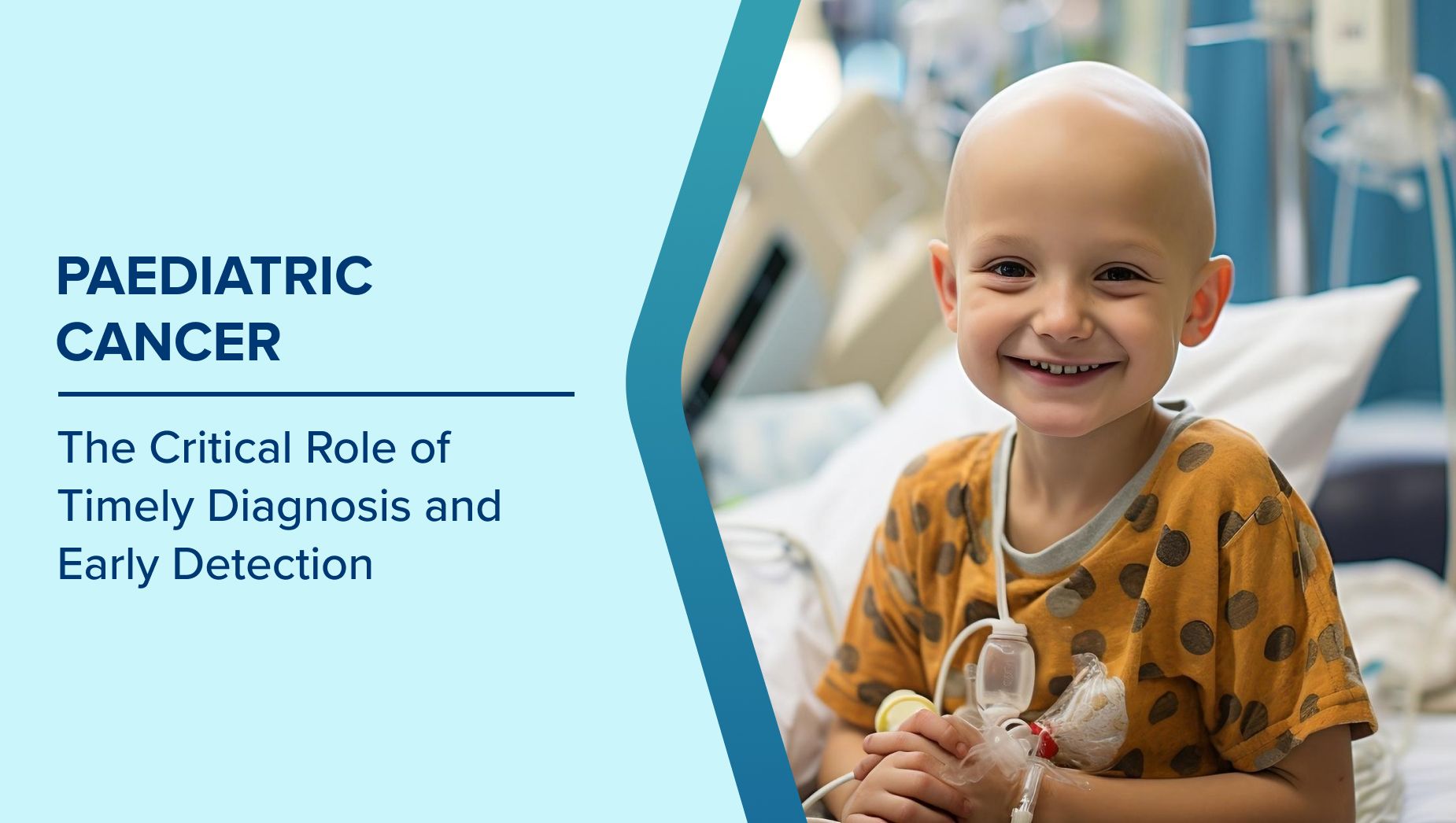
Call Us+91 926 888 0303Paediatric Cancer: The Critical Role of Timely Diagnosis and Early Detection
By Dr. Amrit Kaur in Bone Marrow Transplant , Paediatric (Ped) Hematology , Hematology Oncology
Dec 02 , 2025 | 4 min read
1

A high fever that won’t go away, persistent bone pain, or unexplained bruising may seem like common childhood ups and downs. But sometimes these are silent alarms. When it comes to childhood cancer, catching one of these subtle signs early enough can make the difference between a long road ahead and a much smoother journey toward recovery. Early diagnosis of paediatric cancer offers hope, better outcomes, and the chance for children to live full lives.
Understanding Paediatric Cancers
Paediatric cancers differ from adult cancers in many ways. While adult cancers often develop slowly and are linked to lifestyle factors, paediatric cancers tend to grow quickly and usually arise from changes in the child’s cell DNA that aren’t always preventable. They are often aggressive but, importantly, highly treatable when identified early.
Children’s bodies are still growing, which means tumours may spread or press on vital structures before detection. That makes the timely diagnosis of paediatric cancer especially critical. Early diagnosis allows treatment to target smaller, more contained disease and offers a better chance of complete recovery.
Why Early Diagnosis Matters
Medical Advantages
- Early cancer screening in children boosts survival rates and reduces the need for high-dose, aggressive therapies.
- It allows for treatment when the disease is less extensive, which often means fewer complications and a shorter recovery period.
Emotional and Social Advantages
- A less intense treatment means a shorter interruption to your child’s schooling, play and life.
- Families can concentrate on healing and normal routines rather than crisis management.
Common Warning Signs Parents Should Watch For
Children are resilient and can bounce back from many ailments with rest. However, when symptoms persist or seem out of character, it’s wise to dig deeper. Here are the early warning signs of paediatric cancer that many parents should know:
- A persistent fever that does not seem to be due to infection.
- Unexplained weight loss or loss of appetite when no illness seems to be present.
- Bone pain or joint aches that last more than a few days or prevent normal activity.
- Unusual bruising or bleeding (for example, frequent nosebleeds, bleeding gums, or little bruises without trauma).
- Swelling in the abdomen, neck, armpits or groin, or a lump that does not go away.
- Night sweats, persistent fatigue or weakness, headaches or vomiting without a clear cause.
How Paediatric Cancers Are Diagnosed
When a child presents with worrying symptoms, doctors follow a systematic approach for early diagnosis of paediatric cancer. The process may include:
- Blood tests to look for abnormal cell counts, markers or proteins.
- Imaging tests such as ultrasound, CT scan or MRI to examine internal organs, bones or brain involvement.
- Biopsy, where a small sample of tissue is removed and examined microscopically to confirm cancer and identify the type.
- Referral to a paediatric oncologist, who specialises in children’s cancer treatment and can coordinate the full care plan.
Benefits of Timely Medical Care
When diagnosis happens early, the ripple effects are positive.
- Treatment may be less aggressive; side effects are often fewer, and recovery is faster.
- Less treatment means a lower risk of long-term complications in survivors such as learning difficulties, organ damage or secondary cancers.
- Emotional and mental well-being of the child and family is better preserved. Early action means uncertainty gives way to a plan and hope.
- The child is more likely to complete schooling, regain social life, and have a better quality of life.
The Role of Awareness and Regular Check-ups
Awareness is your first powerful tool. Parents, caregivers, schools and paediatricians can make a difference by identifying warning signs early and not delaying investigations. Routine health check-ups provide doctors with opportunities to identify subtle warning signs. School screenings, regular follow-ups and open communication with the child’s doctor enhance early diagnosis of paediatric cancer.
As a parent, stay informed about common paediatric cancer symptoms, keep growth and health records, ask your paediatrician about concerns and seek second opinions if something doesn’t feel right. By knowing when to ask, “Could this be more than a cold?” you empower yourself as the key guardian of your child’s health.
Conclusion
Paediatric cancer can feel challenging, but early detection offers hope, strength and better outcomes. When parents, schools and doctors work together to recognise subtle signs, act quickly and access expert care, the journey becomes one of possibility rather than fear. If your child experiences persistent symptoms, unusual fatigue, unexplained bruising, or other concerning signs, don’t wait. Consult a paediatric specialist without delay. Your timely action may save a life and restore the promise of joy and freedom in childhood.
Frequently Asked Questions
What are the first steps parents should take if they suspect cancer in their child?
If you notice persistent symptoms such as unexplained fatigue, bruising or fever, speak to your paediatrician immediately. The doctor may order tests or refer you to a paediatric oncology unit. Early consultation is key.
Can paediatric cancer be cured completely if detected early?
Yes, many paediatric cancers have high cure rates when diagnosed early and treated promptly. The exact outcome depends on the type of cancer and how far it has spread, but early detection improves chances significantly.
How often should children have check-ups for early cancer screening?
While there is no specific frequency for general cancer screening in children, annual routine check-ups with a paediatrician are recommended. Pay extra attention if your child has risk factors or unexplained symptoms.
Are genetic factors linked to paediatric cancers?
In some cases, yes. Certain paediatric cancers may arise due to inherited genetic changes. However, most are not hereditary and occur without a clear cause. Genetic counselling may be advised in families with multiple cancer cases.
What support options are available for families after a child’s cancer diagnosis?
Families can access support groups, counselling services, financial aid programmes and peer networks. Many paediatric oncology centres provide psychosocial care to help siblings, parents and children cope together.
Does a child’s diet play any role in preventing cancer?
While no diet guarantees prevention of paediatric cancer, a balanced diet rich in fruits, vegetables and whole grains supports overall immune health. It is one small part of a child’s broader health landscape.
Written and Verified by:

Related Blogs


Most read Blogs


Related Blogs
Most read Blogs