 WhatsApp Us (24/7)
 +91 926 888 0303 (24/7)


To Book an Appointment
Call Us+91 926 888 0303Dermatitis in Kids: Common Summer Triggers & Preventive Tips
By Dr. Prateek Nagrani in Dermatology
Jul 02 , 2025 | 4 min read

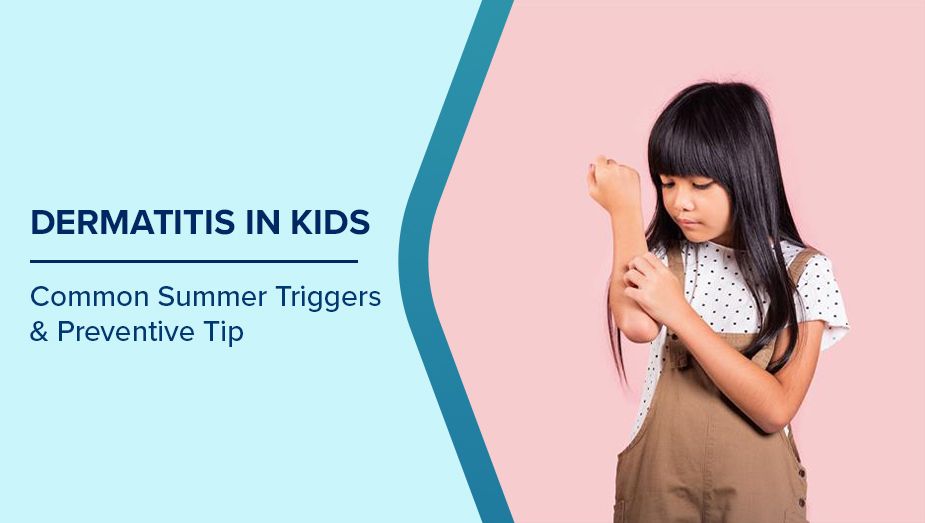
As summer temperatures rise, many parents begin to notice red, itchy patches on their child's skin. These rashes often appear suddenly and can cause significant discomfort, leading to crying, poor sleep, and excessive scratching. It's not just heat, summer skin rashes in children are commonly linked to dermatitis, a condition that becomes more active in hot, humid weather.
If you're wondering why your child's skin flares up during summer, you're not alone. Understanding the causes of dermatitis in kids and knowing how to manage it can help you keep their skin healthy and irritation-free during the hottest months.
Why Does Dermatitis Worsen in Summer?
Dermatitis is a general term for skin inflammation. In children, the most common types include eczema (also known as atopic dermatitis), contact dermatitis, and heat rash in toddlers.
During summer, several factors make children more vulnerable to flare-ups. Their skin is delicate, their sweat glands are still developing, and they often spend long periods outdoors. Combine that with rising heat, dust, and pollutants, and you have the perfect storm for skin irritation.
Common Summer Triggers of Dermatitis in Kids
- Excessive Sweating: Sweat is one of the biggest culprits behind itchy skin in summer. When sweat mixes with bacteria or dries on the skin, it can clog pores and cause irritation, particularly in areas such as the neck, armpits, back, and skin folds.
- Heat and Humidity: Hot weather causes the skin to lose moisture, and humid conditions can make it hard for sweat to evaporate. This leads to heat rash, also known as prickly heat, which appears as small, red bumps and causes intense itching.
- Tight or Synthetic Clothing: Tight clothes made of nylon or polyester trap heat and sweat against the skin. This can lead to contact dermatitis, especially if the fabric is rough or dyed with harsh chemicals. Always choose loose, breathable cotton clothing during summer.
- Allergens in the Environment: Pollen, dust, and air pollution levels often rise during summer. These can act as triggers for kids with sensitive skin or eczema, leading to flare-ups that can be hard to control.
- Chlorinated Water: While swimming is a fun summer activity, the chlorine in pools can strip the skin of natural oils. For children with eczema or sensitive skin, this can worsen dryness and cause itching or rashes.
- Dehydration: In hot weather, children often forget to drink enough water. When the body is dehydrated, the skin becomes dry and more prone to inflammation. Proper hydration helps maintain the skin's natural barrier and prevents dryness.
- Insect Bites and Plants: Mosquito bites or contact with certain plants while playing outdoors can trigger allergic contact dermatitis, especially in children who already have sensitive skin.
How to Prevent Eczema Flare-Ups and Dermatitis in Summer
While you can't completely stop your child from sweating or going outside, there are simple steps you can take to reduce their chances of developing skin problems.
Keep the Skin Cool and Dry
- Bathe your child in lukewarm water once or twice a day.
- Pat dry with a soft towel. Avoid rubbing.
- Use fans or light air conditioning to prevent overheating.
Use Moisturiser Regularly
Apply a gentle, fragrance-free moisturiser immediately after bathing. This helps seal in moisture and prevent dryness.
Dress Them Right
Choose soft, loose-fitting clothes made of cotton. Avoid tight clothes or synthetic fabrics that trap heat and sweat.
Limit Chlorine Exposure
- Rinse your child before and after pool time.
- Apply a barrier moisturiser or petroleum jelly before swimming.
- Moisturise the skin again after washing off the chlorine.
Stay Hydrated
Encourage your child to drink water regularly, even if they're not thirsty. You can also offer coconut water, fresh fruit juices, or water-rich fruits like watermelon and cucumber.
Avoid Common Irritants
Be cautious with:
- Strong soaps and shampoos
- Scented lotions or baby powders
- Harsh detergents used to wash clothes
Use mild, dermatologically-tested products for your child's skin and laundry.
Keep Nails Short and Clean
Kids tend to scratch when their skin is itchy. Keeping their nails trimmed will reduce the chance of cuts and infections from scratching.
When to Consult a Doctor
If your child's rash doesn't improve in a few days or worsens, it's best to consult a paediatrician or dermatologist. Also, seek medical attention if:
- The rash is spreading or oozing fluid
- Your child develops a fever
- Scratching leads to cuts or bleeding
- The rash returns frequently despite home care
Early treatment can prevent discomfort and complications. Don't rely solely on over-the-counter creams unless advised by a doctor.
Conclusion
Indian summers are long and harsh, but with a little care and attention, your child's skin can stay happy and healthy. Knowing the triggers of dermatitis in kids during summer helps you prevent painful flare-ups before they start. Focus on keeping the skin cool, hydrated, and clean. Make smart choices about clothing and outdoor activities, and always be prepared with a moisturiser and water bottle on hand.
Remember, healthy skin is not just about products. It's about a lifestyle. Small daily habits can go a long way in protecting your child from summer skin troubles.
Frequently Asked Questions
Can diet affect summer skin rashes in children?
Yes, foods that are spicy, oily, or high in preservatives can sometimes worsen eczema or skin allergies in kids. A healthy diet with fresh fruits, vegetables, and adequate hydration supports better skin health.
Are home remedies safe for treating dermatitis in kids?
Some home remedies, such as aloe vera or oatmeal baths, may help soothe the skin but always perform a patch test first. For severe or recurring dermatitis, consult a doctor instead of relying only on home remedies.
Can air conditioning cause skin dryness in children?
Yes, while AC helps control heat, it can reduce humidity and dry out the air, which may lead to dry skin. Use a humidifier or apply moisturiser more frequently if your child spends a lot of time in air-conditioned spaces.
Is sunscreen necessary for children with eczema?
Yes, but choose a gentle, hypoallergenic sunscreen that is free from fragrances and dyes. Always do a small patch test before using any new product on sensitive skin.
Can dermatitis be completely cured?
Dermatitis, especially eczema, can be managed but not always completely cured. With the right skincare routine and by avoiding known triggers, flare-ups can be greatly reduced or even prevented.
Written and Verified by:

Related Blogs


Blogs by Doctor

Common Skin Infections in Children Demystified
Dr. Prateek Nagrani In Dermatology
May 16 , 2024 | 10 min read

Understanding Dermatomyositis: A Comprehensive Guide
Dr. Prateek Nagrani In Dermatology
Aug 05 , 2024 | 9 min read
Most read Blogs


Related Blogs
Blogs by Doctor
Common Skin Infections in Children Demystified
Dr. Prateek Nagrani In Dermatology
May 16 , 2024 | 10 min read
Understanding Dermatomyositis: A Comprehensive Guide
Dr. Prateek Nagrani In Dermatology
Aug 05 , 2024 | 9 min read
Most read Blogs