 WhatsApp Us (24/7)
 +91 926 888 0303 (24/7)


To Book an Appointment
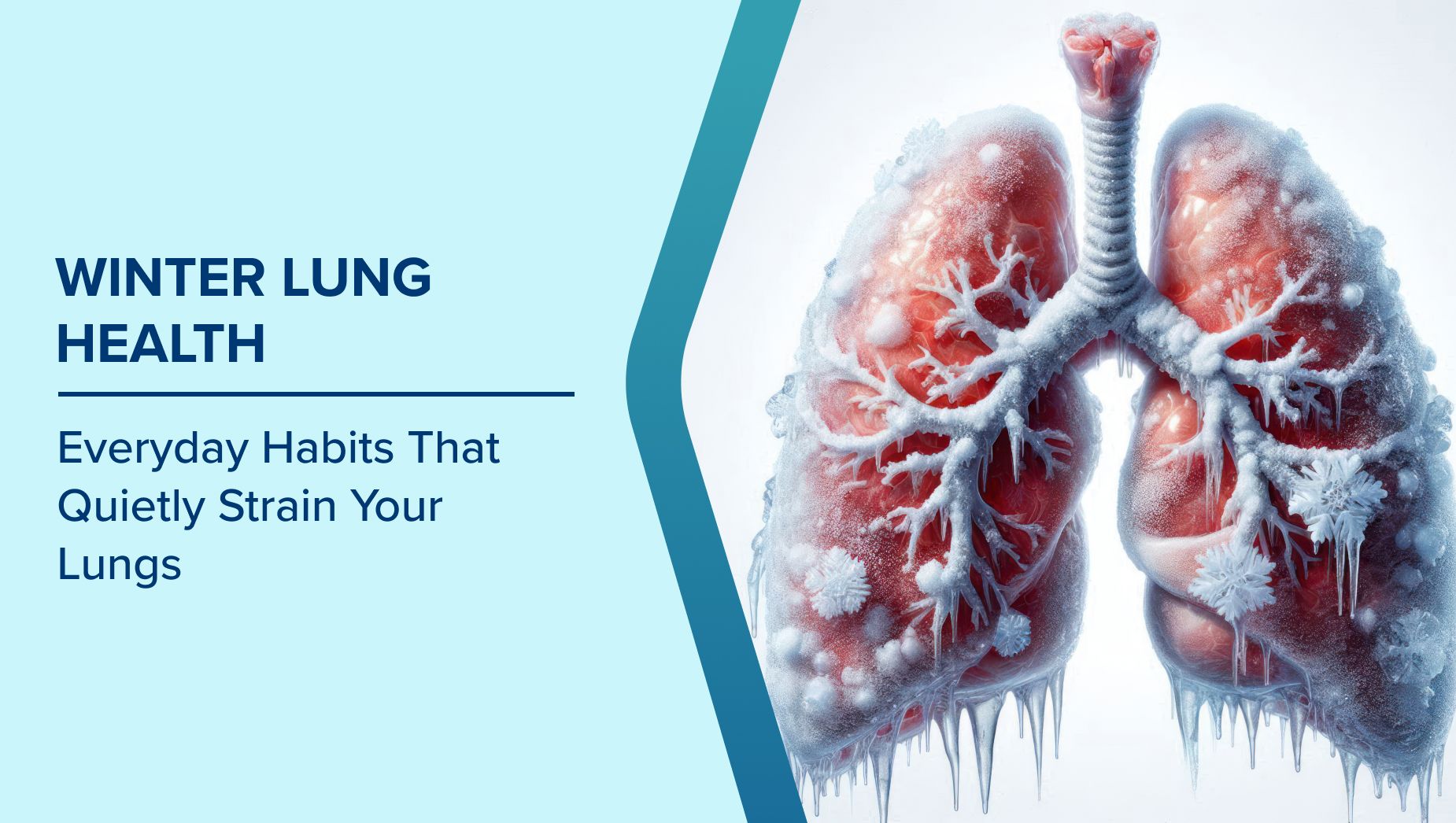
Call Us+91 926 888 0303Winter Lung Health: Everyday Habits That Quietly Strain Your Lungs
By Medical Expert Team
Dec 01 , 2025 | 4 min read

Winter often changes the way we live without us even noticing; longer hours indoors, hotter showers, extra layers, and cosy heaters become part of the routine. But these everyday habits also reshape the environment in which your lungs function. Cold, dry air combined with confined indoor spaces can quietly irritate the airways, thicken mucus, and make breathing feel more difficult, especially if you already have a respiratory condition.
What’s surprising is that many of the triggers come from simple winter behaviours we rarely question. Understanding these patterns can help you protect your lungs and stay comfortable throughout the season.
Breathing Through the Mouth in Cold Air
Cold air is drier and harsher on your airways. When you breathe through your mouth, the air bypasses the natural warming and filtering system of your nose.
This can:
- Trigger coughing
- Tighten the airways (especially in asthma)
- Dry out the throat and lungs
Protect your lungs: Cover your nose and mouth with a scarf outdoors and practise nasal breathing to keep the air warm and humidified.
Staying Indoors With Poor Ventilation
Winter often reduces natural ventilation because windows remain closed for long hours. This traps:
- Dust mites
- Indoor pollutants
- Cooking fumes
- Viral particles
Poor indoor air quality increases the risk of asthma flare-ups, bronchitis, and respiratory infections.
Protect your lungs: Ventilate your home for 10–15 minutes every morning and use an air purifier if possible.
Overusing Room Heaters
Room heaters dry out the air, creating an environment that irritates the airways. Dry indoor air can cause:
- Throat dryness
- Wheezing
- Increased mucus thickness
- Difficulty breathing for those with lung conditions
Protect your lungs: Place a bowl of water in the room or use a humidifier to maintain comfortable humidity levels.
Skipping Hydration
People naturally drink less water in winter, but dehydration thickens mucus in the lungs. When mucus is thick, your body struggles to clear it, increasing the risk of chest congestion and infection.
Protect your lungs: Sip water regularly and include warm liquids such as herbal teas or soups.
Burning Candles, Incense, or Firewood Indoors
Scented candles, incense sticks, and wood-burning stoves release tiny particles and chemicals that irritate the lungs, even if they smell pleasant.
These pollutants may:
- Worsen coughing
- Trigger bronchospasm
- Increase indoor pollution
Protect your lungs: Limit indoor burning and choose smokeless, low-emission options.
Forgetting to Clean Blankets, Carpets, and Winter Wear
Winter clothing and bedding collect dust when stored for months. Using them without washing exposes your lungs to allergens like dust mites and pollen remnants.
Protect your lungs: Wash and sun-dry blankets, jackets, and shawls before first use.
Ignoring Early Cold or Flu Symptoms
Since respiratory infections rise in winter, ignoring mild symptoms can worsen inflammation in the lungs. Untreated viral illnesses may progress to pneumonia or severe bronchitis.
Protect your lungs: Rest early, stay hydrated, monitor persistent cough or fever, and seek medical advice if symptoms worsen.
Exercising Outdoors in Very Cold Air
Cold air can constrict your airways, making workouts harder and causing breathing discomfort. For individuals with asthma, this may trigger an exercise-induced episode.
Protect your lungs: Warm up indoors and use a scarf or mask that helps warm the air before inhaling.
Overeating Heavy Foods
Winter often encourages heavy meals rich in fats and sugars. Large meals push the stomach upwards, reducing lung expansion and making breathing slightly uncomfortable, especially when lying down.
Protect your lungs: Eat smaller, lighter portions and include seasonal fruits and vegetables to support immunity.
Neglecting Winter Vaccinations
Skipping influenza and pneumococcal vaccines increases the chances of serious lung infections that become more common in colder weather.
Protect your lungs: Stay updated with seasonal vaccinations if recommended by your doctor.
Practical Tips to Keep Your Lungs Healthy This Winter
- Wear a mask or scarf outdoors in cold weather.
- Keep indoor humidity balanced, not too dry or too damp.
- Maintain a clean and dust-free home environment.
- Stay hydrated with warm, soothing drinks.
- Avoid exposure to smoke, strong fragrances, and pollutants.
- Eat immune-boosting foods like citrus fruits, ginger, garlic, and leafy greens.
- Be proactive about managing chronic respiratory conditions.
Conclusion
Winter habits may seem harmless, but many of them quietly strain your lungs without you realising it. With a few mindful changes, better indoor air quality, proper hydration, and protection against cold air, you can support your lung health throughout the season. By staying aware and making small adjustments, you create a safer, more comfortable breathing environment for yourself and your family.
Frequently Asked Questions
Why do lung issues worsen specifically during winter?
Cold temperatures, dry air, and increased indoor time create conditions that irritate airways and increase viral circulation, which makes winter tougher for your lungs.
Does winter weather affect people without existing lung disease?
Yes, even healthy individuals may experience coughing, dryness, or mild breathing discomfort due to sudden temperature changes and indoor pollutants.
Are humidifiers safe to use daily in winter?
Yes, as long as they are cleaned regularly. Dirty humidifiers can release bacteria and mould that may irritate the lungs.
Can warm water inhalation help improve winter-related congestion?
Steam inhalation may temporarily ease nasal congestion, but excessive or very hot steam can irritate the airways, so it should be done safely.
How can elderly individuals protect their lungs in winter?
They should stay warm, keep vaccinations up to date, avoid exposure to smoke, maintain hydration, and seek early care for any breathing difficulties.
Related Blogs

Medical Expert Team
Jun 06 , 2015 | 2 min read

Blogs by Doctor

10 Surprising Facts About Obstructive Sleep Apnea (OSA)
Dr. Inder Mohan Chugh In Pulmonology
Nov 08 , 2020 | 3 min read

World COPD Day - All you need to know about COPD
Dr. Inder Mohan Chugh In Pulmonology
Nov 14 , 2016 | 2 min read
Most read Blogs


Related Blogs
Medical Expert Team
Jun 06 , 2015 | 2 min read
Blogs by Doctor
10 Surprising Facts About Obstructive Sleep Apnea (OSA)
Dr. Inder Mohan Chugh In Pulmonology
Nov 08 , 2020 | 3 min read
World COPD Day - All you need to know about COPD
Dr. Inder Mohan Chugh In Pulmonology
Nov 14 , 2016 | 2 min read
Most read Blogs