 WhatsApp Us (24/7)
 +91 926 888 0303 (24/7)


To Book an Appointment
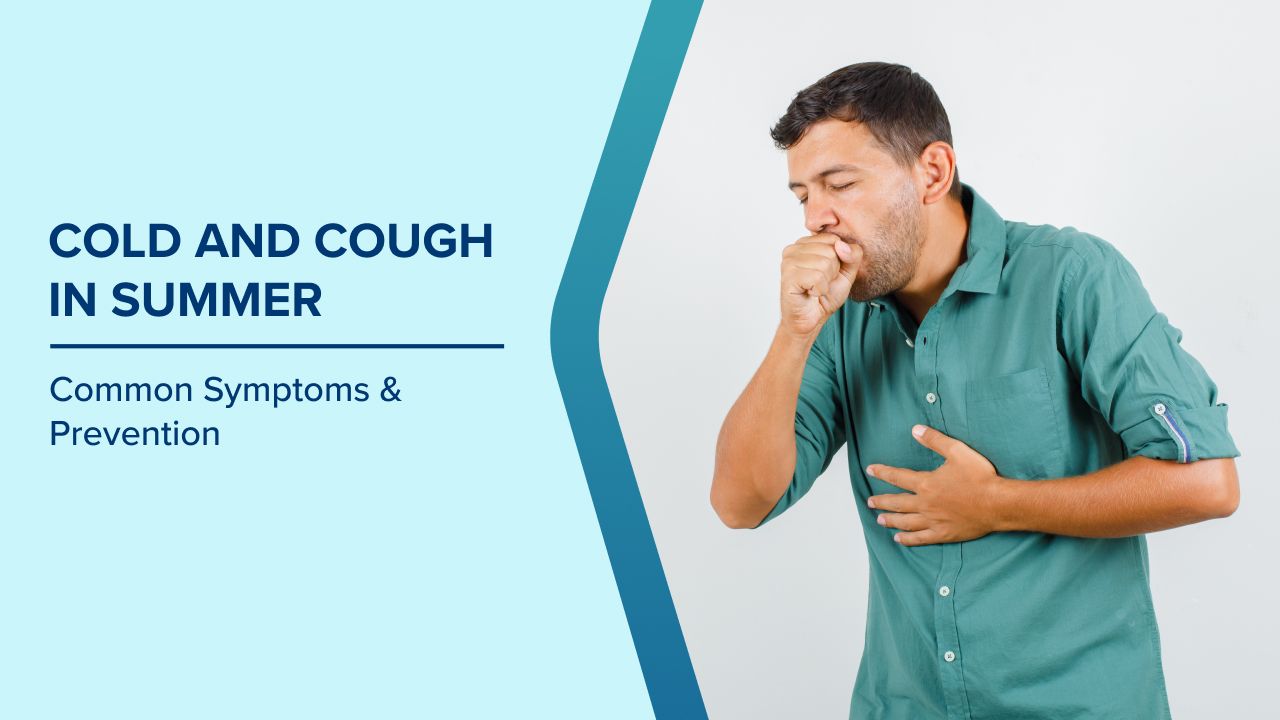
Call Us+91 926 888 0303Cold and Cough in Summer: Common Symptoms & Prevention
By Dr. Meenakshi Jain in Internal Medicine
Jun 03 , 2026

Many people associate cold and cough with winter, so developing a sore throat, runny nose, or persistent cough during the peak of summer can feel surprising. Yet, seasonal weather changes can affect respiratory health at any time of the year.
During summer, sudden rain showers, cloudy days, high humidity, intense heat, and prolonged exposure to air-conditioned environments can all influence how the respiratory system responds to infections and irritants. While these weather changes do not directly cause a cold, they can create conditions that make respiratory symptoms more common.
Understanding the connection between changing weather and respiratory health can help you recognise symptoms early and take simple steps to protect yourself and your family.
Why Cold and Cough Can Happen Even in Summer
A common cold is usually caused by viral infections, not by cold temperatures alone. However, environmental changes can make the nose, throat, and airways more sensitive, increasing the likelihood of developing symptoms.
Summer weather often brings sudden shifts between outdoor heat and cooler indoor environments. In many regions, periods of extreme heat are followed by rainfall, humidity, or cloudy weather. These rapid changes can affect the body's natural defence mechanisms and contribute to respiratory discomfort.
At the same time, people tend to spend more time indoors in air-conditioned spaces, where viruses and allergens can circulate more easily.
How Summer Weather Changes Affect Respiratory Health
Frequent Temperature Changes
One of the most common triggers for respiratory discomfort during summer is the constant movement between different temperatures.
Stepping from intense outdoor heat into a very cold office, shopping centre, or vehicle can irritate the nose and throat. Repeated exposure to these temperature changes may lead to symptoms such as:
- Sneezing
- Throat irritation
- Nasal congestion
- Mild coughing
For some individuals, these symptoms may feel similar to the early stages of a common cold.
Sudden Rain and Increased Humidity
Many parts of the country experience unexpected rain showers during summer months. While rainfall can bring temporary relief from the heat, it also changes humidity levels and environmental conditions.
Increased humidity can make some people feel congested or uncomfortable, particularly those with existing respiratory sensitivities. Damp conditions may also encourage the growth of mould in certain environments, which can irritate the airways and trigger symptoms.
Air Conditioning and Indoor Air Quality
Air conditioning provides relief from hot weather, but excessive exposure can sometimes contribute to throat and nasal irritation.
Spending long hours in heavily air-conditioned spaces may:
- Dry out the throat
- Cause nasal irritation
- Increase discomfort in people with allergies
- Make existing cough symptoms feel worse
Poorly maintained cooling systems can also circulate dust and other airborne particles that may affect respiratory health.
Dust, Pollution, and Seasonal Allergens
Summer weather changes are often accompanied by increased dust, strong winds, and fluctuations in air quality.
These environmental factors can irritate the respiratory tract and trigger symptoms that closely resemble a cold, including:
- Sneezing
- Runny nose
- Watery eyes
- Coughing
- Throat discomfort
For people who are prone to allergies, symptoms may become more noticeable during periods of changing weather.
Common Symptoms During Weather Changes
Respiratory symptoms related to seasonal changes can vary from person to person. Some individuals experience mild irritation, while others may develop symptoms that resemble a viral infection.
Common symptoms include:
- Runny or blocked nose
- Sneezing
- Sore or scratchy throat
- Mild to moderate cough
- Headache
- Fatigue
- Watery eyes
- Mild body discomfort
In many cases, symptoms improve within a few days with adequate rest and supportive care. However, symptoms that persist or worsen should not be ignored.
Who is More Likely to Be Affected?
While anyone can experience cold and cough symptoms during changing weather, certain groups may be more susceptible.
Children
Children are frequently exposed to viruses at school, childcare centres, and social gatherings. Their developing immune systems can make them more vulnerable to seasonal respiratory illnesses.
Older Adults
Age-related changes in immunity may increase the risk of respiratory infections and prolonged recovery.
People with Allergies
Individuals who are sensitive to dust, pollen, mould, or other environmental triggers may notice worsening symptoms during periods of changing weather.
People with Asthma
Weather fluctuations, humidity, and airborne irritants can sometimes aggravate asthma symptoms, leading to coughing or breathing difficulties.
Individuals with Weakened Immunity
People recovering from illness or living with certain medical conditions may be more likely to develop respiratory infections when environmental conditions change.
Simple Ways to Protect Yourself During Weather Changes
While it is impossible to control the weather, a few practical habits can help reduce the risk of developing cold and cough symptoms.
Stay Well Hydrated
Hot weather increases fluid loss through sweating. Drinking enough water helps keep the throat and nasal passages moist, supporting their natural protective function.
Avoid Sudden Temperature Extremes
If possible, avoid setting air conditioners at very low temperatures. Gradual transitions between indoor and outdoor environments can be more comfortable for the respiratory system.
Practise Good Hand Hygiene
Many viruses that cause colds spread through contact with contaminated surfaces and shared spaces. Regular handwashing remains one of the simplest ways to reduce the risk of infection.
Get Adequate Rest
Quality sleep supports the immune system and helps the body recover more effectively when exposed to infections.
Eat a Balanced Diet
A nutritious diet rich in fruits, vegetables, whole grains, and protein supports overall health and immune function throughout the year.
Minimise Exposure to Dust and Irritants
During dusty or windy conditions, limiting exposure to airborne irritants may help prevent respiratory symptoms, particularly in people with allergies.
Change Out of Wet Clothing Promptly
After getting caught in the rain, changing into dry clothes and staying comfortable may help reduce irritation and discomfort.
When Should You See a Doctor?
Most mild cold and cough symptoms improve on their own. However, medical advice should be sought if you experience:
- High fever
- Difficulty breathing
- Persistent wheezing
- Chest pain
- Symptoms that continue for an extended period
- Symptoms that worsen instead of improving
Early assessment can help identify whether symptoms are related to an infection, allergy, asthma, or another respiratory condition.
Conclusion
Summer weather is often unpredictable, bringing together extreme heat, sudden rainfall, humidity changes, and increased use of air conditioning. These environmental shifts can affect the respiratory system and contribute to symptoms such as cold, cough, nasal congestion, and throat irritation.
While most cases are mild and temporary, maintaining good hydration, practising healthy habits, and minimising exposure to irritants can help support respiratory health throughout the season. Paying attention to persistent or worsening symptoms ensures that any underlying issues are identified and managed appropriately.
Frequently Asked Questions
Can drinking very cold beverages cause a cold or cough?
Cold beverages do not cause viral infections. However, some people may notice temporary throat irritation or discomfort after consuming very cold drinks, particularly if they already have a sensitive throat.
Why do I develop a sore throat after spending time in air-conditioned rooms?
Air-conditioned environments can sometimes dry the air, which may irritate the throat and nasal passages, especially after prolonged exposure.
Can weather changes worsen existing respiratory conditions?
Yes, people with asthma, allergies, or chronic respiratory conditions may notice increased symptoms during sudden changes in temperature, humidity, or air quality.
Is it normal to feel tired along with a cold during summer?
Mild fatigue can occur with viral respiratory infections regardless of the season. Adequate rest and hydration usually help support recovery.
Can indoor air quality affect respiratory health during summer?
Yes, dust, mould, poor ventilation, and prolonged exposure to air-conditioned environments can contribute to respiratory irritation and symptoms such as coughing, sneezing, and throat discomfort.
Written and Verified by:

Related Blogs


Dr. Vandana Boobna In Internal Medicine
Nov 08 , 2020 | 2 min read
Blogs by Doctor

Care Plan for Malaria: Effective Self-Care Tips and Recovery
Dr. Meenakshi Jain In Internal Medicine
Jun 05 , 2024 | 2 min read

Commit to Your Health: Take the Pledge for Better Health This Father’s Day
Dr. Meenakshi Jain In Internal Medicine
Jul 01 , 2024 | 2 min read
Most read Blogs


Related Blogs
Dr. Vandana Boobna In Internal Medicine
Nov 08 , 2020 | 2 min read
Blogs by Doctor
Care Plan for Malaria: Effective Self-Care Tips and Recovery
Dr. Meenakshi Jain In Internal Medicine
Jun 05 , 2024 | 2 min read
Commit to Your Health: Take the Pledge for Better Health This Father’s Day
Dr. Meenakshi Jain In Internal Medicine
Jul 01 , 2024 | 2 min read
Most read Blogs