 WhatsApp Us (24/7)
 +91 926 888 0303 (24/7)


To Book an Appointment
Call Us+91 926 888 0303Struggling with a Stiff Neck and Headache? It Could Be Cervicogenic Pain
By Dr. Rahul Mahajan in Neurology
Jan 05 , 2026 | 9 min read
2

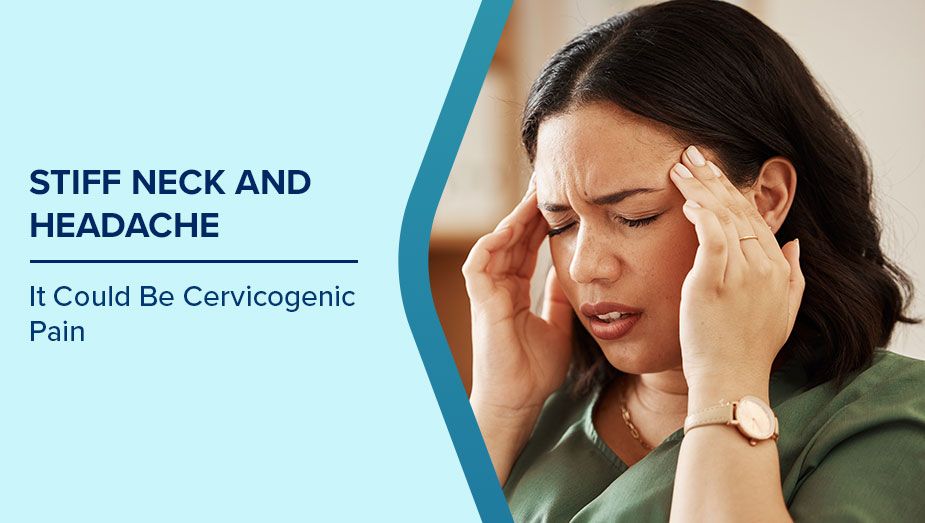
Neck stiffness and headaches are common complaints, but when they occur together, they might be linked to a condition called cervicogenic pain. This type of headache originates from issues in the neck (cervical spine) and can cause discomfort that spreads to the head, shoulders, and even the arms. Unlike migraines or tension headaches, this pain is often triggered by neck movement or prolonged positions, and may require targeted treatment for relief. In this article, we’ll explore how to identify cervicogenic headaches and the ways to find relief. Let’s get started by understanding cervicogenic headaches.
What is a Cervicogenic Headache?
A cervicogenic headache is a type of headache that starts in the neck and spreads to the head. It happens when pain from the neck’s muscles, joints, or nerves is felt in the head. Unlike migraines or tension headaches, this type of headache is caused by an underlying issue in the neck, such as poor posture, injury, or arthritis.
The pain is usually one-sided and worsens with certain neck movements or positions. It often starts at the base of the skull and can extend to the forehead, temples, or behind the eyes. Treatment focuses on addressing the root cause, which may include physiotherapy, posture correction, or other medical interventions.
What Causes Cervicogenic Headache?
Cervicogenic headaches are unique because the pain originates in the neck but is felt in the head. This happens when structures in the cervical spine (the upper part of the spine in the neck) become irritated or damaged, sending pain signals to the brain. Here’s a closer look at the common causes:
Poor Posture
Sitting or standing with a slouched posture, especially for long periods, puts extra strain on the neck muscles and joints. Activities like looking down at a phone or computer screen for extended periods, often referred to as “text neck,” can worsen the problem. Over time, this strain can lead to chronic pain that radiates to the head.
Neck Injuries
Trauma to the neck, such as whiplash from a car accident or a fall, can damage the muscles, ligaments, or joints. Sports injuries or sudden impacts can also lead to long-term neck issues that trigger headaches. Even minor injuries, if left untreated, can develop into persistent problems.
Wear and Tear
Conditions like osteoarthritis or degenerative disc disease can affect the neck joints and discs over time, leading to stiffness and pain. Age-related changes in the spine, such as bone spurs or reduced cartilage, can also contribute. These changes can irritate nerves or restrict movement, causing pain that spreads to the head.
Muscle Tension
Tight or overworked muscles in the neck and shoulders, often due to stress, poor ergonomics, or repetitive movements, can cause pain that radiates to the head. Prolonged tension in the upper back and neck muscles can compress nerves or restrict blood flow, worsening headaches. Stress-related muscle tightness is a common trigger for many people.
Nerve Compression
Irritation or pressure on the nerves in the neck, often due to herniated discs or inflamed joints, can send pain signals to the head. This type of pain is often felt as a sharp or throbbing sensation that spreads from the neck to the forehead, temples, or behind the eyes. Nerve-related pain can be particularly intense and persistent.
Lifestyle Factors
Lack of movement or prolonged sitting without breaks can stiffen the neck and shoulders. Sleeping in an awkward position or using an unsupportive pillow can strain the neck overnight. High stress levels can lead to muscle tightness, further aggravating the problem. Everyday habits, such as carrying heavy bags or holding the phone between the ear and shoulder, can also contribute.
Signs That Indicate Headache Is Cervicogenic
Cervicogenic headaches have distinct signs that set them apart from other types of headaches. These include:
- Pain that starts in the neck and spreads to the head, often affecting one side.
- Neck stiffness or reduced movement, making it difficult to turn the head.
- Pain that worsens with certain neck positions or sustained posture, such as sitting at a desk for long periods.
- Tenderness in the neck, shoulders, or base of the skull.
- Headache triggered by pressing on certain neck areas or after neck movement.
- Possible dizziness, blurred vision, or discomfort behind the eyes.
Recognising these signs can help in getting the right diagnosis and treatment.
How is Cervicogenic Headache Diagnosed?
Diagnosing a cervicogenic headache can be challenging because its symptoms often overlap with other types of headaches, such as migraines or tension headaches. However, healthcare professionals use a combination of methods to identify the condition accurately. Here’s how the diagnosis process typically works:
Medical History and Symptoms
The first step involves discussing the patient’s medical history and symptoms. The doctor will ask about the nature of the pain, its location, and any activities or movements that trigger or worsen it. They may also inquire about past neck injuries, posture habits, or underlying health conditions.
Physical Examination
A physical exam focuses on the neck and head. The doctor will check for tenderness, stiffness, or reduced range of motion in the neck. They may also assess posture and look for muscle tightness or joint abnormalities. Specific neck movements or pressure on certain areas may be used to see if they reproduce the headache pain.
Imaging Tests
In some cases, imaging tests like X-rays, MRIs, or CT scans are used to rule out other conditions, such as herniated discs, arthritis, or spinal abnormalities. These tests provide a detailed view of the neck’s structures and help confirm whether the pain originates from the cervical spine.
Diagnostic Nerve Blocks
One of the most reliable methods to confirm a cervicogenic headache is a diagnostic nerve block. A local anaesthetic is injected into specific nerves or joints in the neck. If the headache pain is significantly reduced or eliminated after the injection, it strongly suggests that the pain is cervicogenic.
Ruling Out Other Conditions
Since cervicogenic headaches share symptoms with other headache types, the doctor may perform additional tests to rule out migraines, tension headaches, or cluster headaches. This ensures an accurate diagnosis and appropriate treatment plan.
How is Cervicogenic Headache Managed and Treated?
Managing and treating cervicogenic headaches involves addressing the root cause of the pain, which lies in the neck. The goal is to reduce pain, improve neck function, and prevent future headaches. Here are the most common approaches:
Physical Therapy
Physical therapy is often the first line of treatment. A therapist will design a programme to strengthen neck muscles, improve posture, and increase flexibility. Exercises may include stretches, gentle movements, and techniques to relax tight muscles. Posture correction and ergonomic advice are also key components.
Medications
Medications can provide short-term relief from pain and inflammation. Commonly prescribed options include:
- Pain relievers, such as paracetamol.
- Muscle relaxants to ease tension in the neck and shoulders.
- Anti-inflammatory drugs to reduce swelling and discomfort.
In some cases, stronger medications or nerve pain treatments may be recommended.
Manual Therapy
Techniques like chiropractic adjustments, osteopathy, or massage therapy can help relieve neck stiffness and improve mobility. These therapies focus on realigning the spine, reducing muscle tension, and promoting better blood flow to the affected area.
Nerve Blocks and Injections
For persistent pain, a doctor may recommend nerve blocks or steroid injections. These treatments target specific nerves or joints in the neck to reduce inflammation and block pain signals. They can provide longer-lasting relief and are often used alongside other therapies
Stress Management
Stress can worsen muscle tension and trigger headaches. Techniques like deep breathing, meditation, or yoga can help reduce stress and prevent cervicogenic headaches from flaring up.
Lifestyle Changes
Simple adjustments to daily habits can make a big difference. These include:
- Maintaining good posture while sitting, standing, and using electronic devices.
- Taking regular breaks to stretch and move during long periods of sitting.
- Using a supportive pillow and sleeping in a position that keeps the neck aligned.
- Avoiding activities that strain the neck, such as carrying heavy bags or holding the phone between the ear and shoulder.
Surgery (Rare Cases)
Surgery is rarely needed and is considered only when other treatments fail and the pain is linked to a specific structural problem, such as a herniated disc or nerve compression.
With the right combination of treatments, most people find significant relief from cervicogenic headaches. Working closely with a healthcare professional ensures a plan that addresses individual needs and promotes long-term recovery.
How to Prevent Cervicogenic Headaches?
Preventing cervicogenic headaches often involves addressing the root causes, such as poor posture, muscle tension, and lifestyle habits. By making a few adjustments to daily routines, it’s possible to reduce the risk of these headaches. Here are some practical tips:
- Improve posture: Good posture is essential for reducing strain on the neck and shoulders. Sit and stand with the head aligned over the spine, shoulders relaxed, and back straight. When using a computer or phone, keep the screen at eye level to avoid bending the neck forward.
- Take regular breaks: Prolonged sitting or repetitive activities can strain the neck. Take short breaks every 30 minutes to stretch, move around, and relax the neck and shoulder muscles. Simple stretches, like gently tilting the head side to side or rolling the shoulders, can help.
- Strengthen neck and shoulder muscles: Regular exercises to strengthen the neck and upper back can improve stability and reduce the risk of pain. Focus on gentle stretches and strengthening routines, such as chin tucks or shoulder blade squeezes. A physiotherapist can recommend a tailored exercise plan.
- Use ergonomic tools:Adjust workstations to support good posture. use a chair with proper lumbar support, position the computer screen at eye level, and keep the keyboard and mouse within easy reach. An ergonomic pillow or mattress can also help maintain proper neck alignment during sleep.
- Avoid overloading the neck: Carry bags or backpacks evenly distributed across both shoulders to avoid straining one side of the neck. Avoid holding the phone between the ear and shoulder; use a headset or speakerphone instead.
- Manage stress: Stress can lead to muscle tension in the neck and shoulders, triggering headaches. Practice relaxation techniques like deep breathing, meditation, or yoga to reduce stress levels and keep muscles relaxed.
- Stay active: Regular physical activity improves overall health and reduces the risk of neck pain. Activities like swimming, walking, or yoga can help maintain flexibility and strength in the neck and shoulders.
- Sleep position and pillow support: Sleep in a position that keeps the neck aligned with the spine. Use a pillow that supports the natural curve of the neck—neither too high nor too flat. Avoid sleeping on the stomach, as it can strain the neck.
- Stay hydrated and maintain a healthy diet: Dehydration and poor nutrition can contribute to muscle tension and headaches. Drink plenty of water and eat a balanced diet rich in vitamins and minerals to support overall health.
By incorporating these habits into daily life, it’s possible to reduce the frequency and severity of cervicogenic headaches. Small changes can make a big difference in preventing pain and improving quality of life.
When to Consult a Doctor?
Consult a doctor if cervicogenic headaches become frequent, severe, or interfere with daily activities. Seeking medical advice is important in the following cases:
- Persistent headaches that do not improve with rest or basic treatments.
- Severe neck pain or stiffness that limits movement.
- Headaches triggered by minor neck movements or lasting for extended periods.
- Pain spreading to the arms or accompanied by numbness or weakness.
- Headaches with dizziness, vision changes, or balance issues.
Conclusion
A headache that starts in the neck is easy to overlook, often mistaken for stress or poor sleep. But when the pain lingers, affecting movement and daily tasks, it’s a sign that something deeper is at play. Ignoring it won’t make it go away—addressing the source is the only way forward.
At Max Hospital, neurologists and orthopaedic specialists work closely to identify the cause and offer treatments that ease pain and restore mobility. If you or someone you know is struggling with persistent neck pain and headaches, don’t wait for the discomfort to worsen. Reach out to Max Hospital today to schedule a consultation.
Written and Verified by:

Related Blogs


Oct 27 , 2020 | 3 min read
Blogs by Doctor

What is Silent Mini Stroke (TIA): Warning Sign & Care
Dr. Rahul Mahajan In Neurology
Feb 22 , 2018 | 3 min read

Most read Blogs


Related Blogs
Oct 27 , 2020 | 3 min read
Blogs by Doctor
What is Silent Mini Stroke (TIA): Warning Sign & Care
Dr. Rahul Mahajan In Neurology
Feb 22 , 2018 | 3 min read
Most read Blogs