 WhatsApp Us (24/7)
 +91 926 888 0303 (24/7)


To Book an Appointment
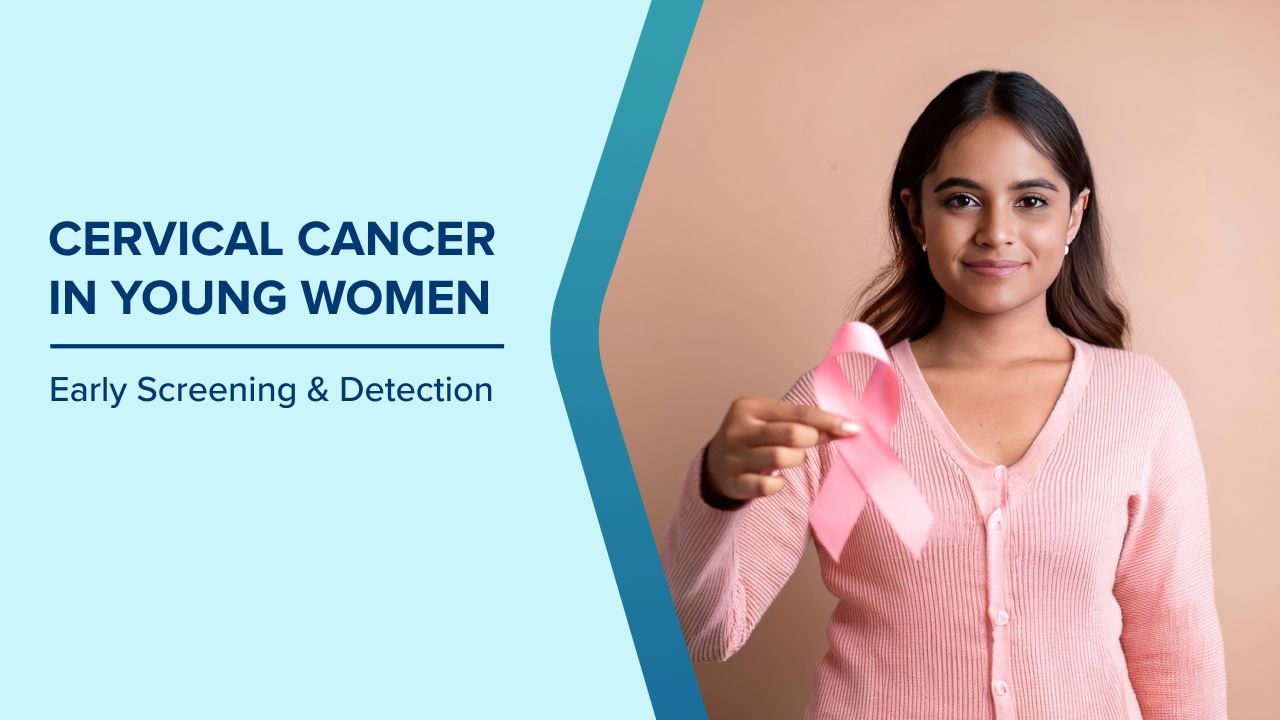
Call Us+91 926 888 0303Cervical Cancer in Young Women: Early Screening & Detection
By Dr. Meenu Walia in Medical Oncology , Cancer Care / Oncology
Feb 12 , 2026

Cervical cancer is often perceived as a condition that affects women later in life. However, an increasing number of diagnoses are being seen in women in their 20s and 30s, challenging this long-standing belief. For many young women, this diagnosis comes as a shock, largely because they do not consider themselves at risk.
Understanding how cervical cancer impacts younger women, why it can go unnoticed, and how early awareness can change outcomes is essential.
Why Cervical Cancer in Young Women Deserves Attention
Younger women often juggle careers, relationships, family responsibilities, and personal goals. Health concerns that do not cause immediate discomfort may not receive priority, especially when there is a widespread belief that serious gynaecological cancers occur later in life.
Cervical cancer in young women is particularly concerning because:
- It may develop silently during reproductive years
- It can affect long-term health and quality of life
- Delayed diagnosis can lead to more intensive treatment
- Emotional and psychological impact can be significant
The good news is that when identified early, outcomes are highly favourable.
How Cervical Cancer Can Develop at a Young Age
Cervical cancer does not appear suddenly. In most cases, it begins with gradual cellular changes in the cervix that develop over several years. Young women may acquire risk factors early, but the disease itself progresses quietly.
Factors that make younger women vulnerable include:
- Early exposure to persistent viral infections
- Immune system variations that delay the clearance of abnormal cells
- Missed or delayed screening appointments
- Assuming symptoms are related to stress or hormonal changes
Because these changes are internal, they often go unnoticed without medical evaluation.
Why Symptoms Are Often Overlooked in Younger Women
Young women frequently dismiss subtle bodily changes. Irregular routines, work stress, travel, or lifestyle changes can mask early warning signals.
Common reasons symptoms are overlooked include:
- Assuming irregular bleeding is hormonal
- Linking pelvic discomfort to lifestyle stress
- Delaying medical visits due to time constraints
- Feeling uncomfortable discussing intimate symptoms
This tendency to normalise changes can delay diagnosis until the disease has progressed.
The Emotional Impact of Cervical Cancer at a Young Age
A cervical cancer diagnosis can feel overwhelming, especially for younger women who are building careers or planning families. Beyond physical health, the emotional toll is significant.
Young women may experience:
- Fear about long-term health
- Anxiety about future relationships
- Concerns about body image and self-esteem
- Worry about fertility and life plans
Support from healthcare providers, family, and counselling services plays an important role in recovery and emotional well-being.
The Importance of Regular Screening in Your 20s and 30s
Many young women delay screening because they feel healthy. However, cervical cancer often develops without obvious symptoms in its early stages.
Regular screening helps by:
- Detecting cellular changes before cancer develops
- Identifying risks early, when treatment is simpler
- Preventing progression to invasive disease
- Providing reassurance when results are normal
Screening is not about finding illness. It is about preventing it.
How Early Detection Improves Life Outcomes
When cervical cancer is identified early in young women:
- Treatment is often less invasive
- Recovery time is shorter
- Long-term health outcomes are better
- Daily life disruption is minimised
Early detection allows women to continue their personal and professional journeys with minimal interruption.
Living a Full Life After Early Diagnosis
An early diagnosis does not mean life comes to a halt. Many young women continue to lead fulfilling lives during and after treatment.
Positive outcomes include:
- Returning to work and daily routines
- Maintaining emotional resilience
- Developing stronger health awareness
- Gaining confidence in managing long-term wellness
Early care allows women to move forward with strength and clarity.
Myths vs Facts About Cervical Cancer in Young Women
Myth: Cervical cancer only affects older women
Fact: It can develop in women in their 20s and 30s, especially when screening is delayed.
Myth: Being healthy means there is no risk
Fact: Cervical cancer can develop even in women who feel perfectly well.
Myth: Screening is only needed when symptoms appear
Fact: Screening works best before symptoms develop.
Myth: A diagnosis means life plans must stop
Fact: With early detection, most women continue their life goals with proper care.
Why Awareness Matters More Than Fear
Fear often leads to avoidance, while awareness leads to action. Understanding cervical cancer in young women empowers individuals to make informed health choices without panic.
Awareness encourages:
- Timely screening
- Open conversations with doctors
- Proactive health management
- Confidence in preventive care
Knowledge is not meant to frighten but to protect.
Conclusion
Cervical cancer in young women is more common than many realise, yet it remains one of the most preventable cancers when addressed early. The absence of symptoms should never be mistaken for the absence of risk.
By prioritising screening, listening to the body, and seeking timely medical advice, young women can protect their health and future. Early awareness does not disrupt life. It preserves it.
Frequently Asked Questions
Is cervical cancer more aggressive in young women?
The disease itself is not necessarily more aggressive, but delayed diagnosis can make it appear more advanced.
Can stress or lifestyle changes delay diagnosis?
Yes, busy routines and stress can cause women to overlook symptoms or postpone screening.
Does early detection reduce emotional stress during treatment?
Early detection often leads to simpler treatment plans, which can significantly reduce emotional and physical stress.
Is screening still important after childbirth?
Yes, post-pregnancy screening remains important as cervical changes can still occur.
How often should young women prioritise gynaecological check-ups?
Regular check-ups, as advised by a healthcare provider, help ensure early detection and long-term health.
Written and Verified by:

Related Blogs


Dr. Meenu Walia In Medical Oncology , Cancer Care / Oncology
Aug 02 , 2016 | 4 min read
Blogs by Doctor

10 Questions and Answers for Ovarian Cancer
Dr. Meenu Walia In Medical Oncology , Cancer Care / Oncology
Nov 08 , 2020 | 3 min read

Ovarian Cancer Basics Every Woman Should Know About
Dr. Meenu Walia In Medical Oncology , Cancer Care / Oncology
Nov 08 , 2020 | 2 min read
Most read Blogs


Related Blogs
Dr. Meenu Walia In Medical Oncology , Cancer Care / Oncology
Aug 02 , 2016 | 4 min read
Blogs by Doctor
10 Questions and Answers for Ovarian Cancer
Dr. Meenu Walia In Medical Oncology , Cancer Care / Oncology
Nov 08 , 2020 | 3 min read
Ovarian Cancer Basics Every Woman Should Know About
Dr. Meenu Walia In Medical Oncology , Cancer Care / Oncology
Nov 08 , 2020 | 2 min read
Most read Blogs