 WhatsApp Us (24/7)
 +91 926 888 0303 (24/7)


To Book an Appointment
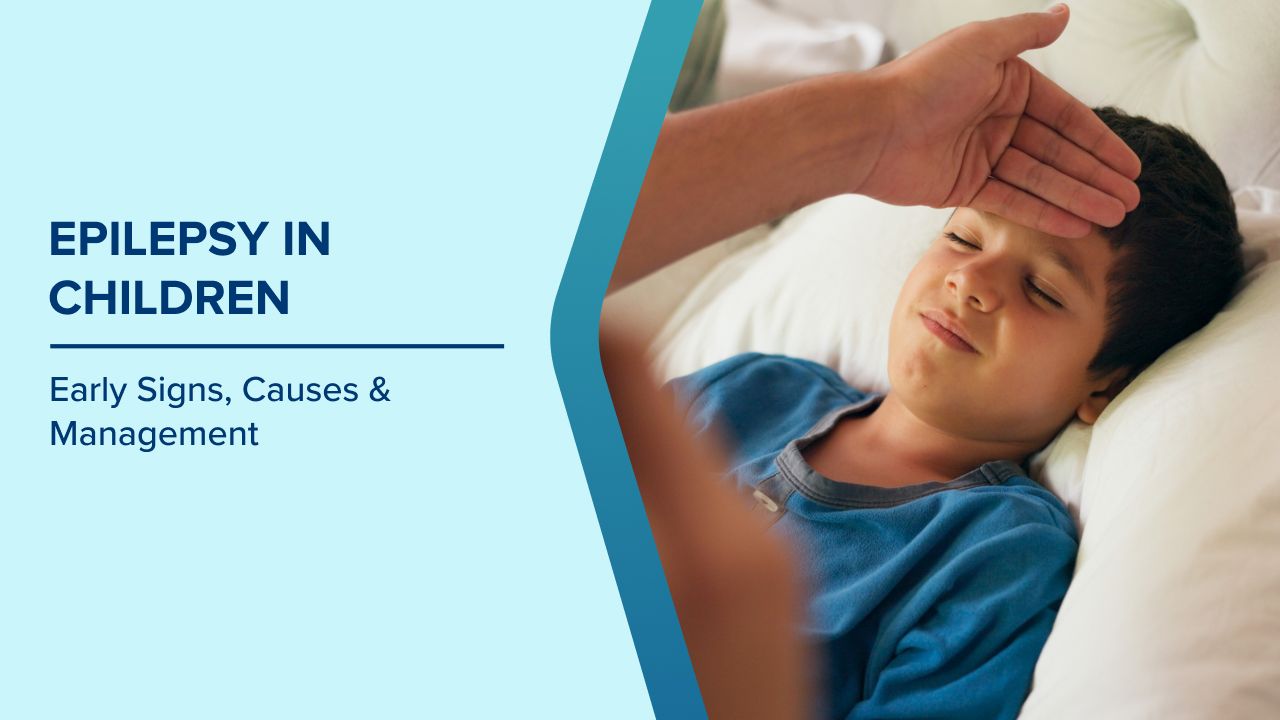
Call Us+91 926 888 0303Epilepsy in Children: Early Signs, Causes & Management
By Dr. Rohit Kumar Pandey in Neurosurgery , Neurosciences
Feb 17 , 2026

When a child behaves differently or has sudden episodes that seem unusual, parents often feel confused and worried. Many families do not immediately think of epilepsy because seizures do not always look dramatic or obvious. In children, epilepsy can show up in subtle ways that are easy to miss or misunderstand. Early recognition matters because timely care can protect a child’s learning, safety, and emotional well-being.
Understanding Epilepsy in Children
Epilepsy is a condition where the brain sends sudden, abnormal electrical signals. These signals can cause repeated seizures. A seizure is not a disease by itself. It is a symptom of how the brain is functioning at that moment.
In children, epilepsy can begin at any age. Some children may have seizures in infancy, while others develop them during school years or adolescence. The way epilepsy appears often changes as the child grows.
What makes childhood epilepsy different is that the brain is still developing. This means symptoms can be unusual and sometimes affect learning, attention, or behaviour even between seizures.
Why Early Signs Are Often Missed in Children
Many parents imagine seizures as violent shaking or loss of consciousness. While this can happen, it is not the most common presentation in children. Some seizures last only a few seconds and do not involve falling or jerking movements.
Children may not be able to explain what they feel. Younger children may not even realise that something unusual has happened. Teachers and caregivers may mistake seizure activity for daydreaming, clumsiness, or behavioural problems. Because of this, epilepsy in children is often diagnosed later than it should be.
Early Warning Signs That Deserve Attention
- Brief episodes of staring or unresponsiveness: A child may suddenly stop what they are doing and stare blankly. These episodes usually last a few seconds. The child may not respond when called and then return to normal activity as if nothing happened.
- Sudden falls or loss of muscle control: Some children experience sudden dropping of the head, arms, or entire body. These events can look like clumsiness or frequent falls but may actually be seizures.
- Repeated unusual movements: This may include lip-smacking, chewing motions, rapid blinking, or repetitive hand movements.
- Confusion after sleep or naps: Waking up confused, tired, or with headaches after sleep may suggest seizures during sleep.
- Sudden fear or emotional changes without cause: Some seizures begin with intense fear, crying, or panic without any clear trigger.
- Decline in school performance: Difficulty concentrating, memory problems, or sudden changes in learning ability may be related to seizure activity.
Types of Seizures Seen in Children
Children can experience different seizure patterns. Understanding them helps families communicate better with doctors.
- Seizures affecting one area of the brain: These seizures may cause unusual sensations, twitching on one side of the body, or changes in awareness.
- Seizures affecting the whole brain: These may include stiffening, jerking movements, or loss of consciousness.
- Seizures that occur mainly in sleep: Some childhood epilepsy syndromes appear mostly at night.
What Causes Epilepsy in Children
In many cases, the exact cause is never found. Possible causes include:
- Brain development differences present at birth
- Genetic factors affecting brain signalling
- Head injury or lack of oxygen at birth
- Brain infections or inflammation
- Structural changes seen on brain imaging
How Epilepsy Is Diagnosed in Children
Diagnosis involves listening carefully to parents and caregivers. Doctors may recommend:
- Brain wave testing: An EEG records electrical activity of the brain.
- Brain imaging: MRI scans may look for structural changes.
- Development and learning assessment
Emotional Impact on Children and Families
Epilepsy affects the entire family. Children may feel embarrassed or afraid of having seizures in public. Parents often live with constant fear of the next seizure.
Modern Management of Childhood Epilepsy
- Medication tailored to the child
- Diet-based therapy in selected cases
- Surgery for specific situations
- Neuromodulation therapies
Daily Life Adjustments That Make a Difference
- Sleep routine matters
- Screen time awareness
- School communication
- Safety without overprotection
Long-Term Outlook for Children With Epilepsy
Many children outgrow seizures as their brains mature. Early diagnosis and proper management improve:
- Learning outcomes
- Emotional development
- Social confidence
- Family quality of life
Supporting a Child Emotionally
Open conversations help children understand their condition without fear. Support groups and counselling can help families cope with anxiety.
When to Seek Immediate Medical Help
- A seizure lasts longer than usual
- Seizures occur repeatedly without recovery
- A child is injured during a seizure
- Breathing does not return to normal
- A seizure happens for the first time
Conclusion
Epilepsy in children can be frightening at first, but understanding brings confidence. With modern treatment and emotional support, most children with epilepsy grow up to lead active and meaningful lives.
Frequently Asked Questions
Can epilepsy affect a child’s intelligence?
Most children with epilepsy have normal intelligence. Learning challenges usually relate to seizure frequency or medication effects.
Is epilepsy contagious?
No, epilepsy cannot spread from one person to another.
Can children with epilepsy play sports?
Yes, most physical activities are safe with appropriate precautions.
Do seizures always need lifelong treatment?
Not always. Many children can reduce or stop medication after a seizure-free period under medical supervision.
Can stress trigger seizures in children?
Stress can increase seizure risk in some children, especially when combined with poor sleep or illness.
Written and Verified by:

Related Blogs

Dr. Sanjeev Kumar Gupta In Neurosurgery , Neurosciences
Jun 30 , 2016 | 2 min read

Dr. Sonal Gupta In Neurosurgery , Neurosciences
Jul 20 , 2016 | 2 min read
Blogs by Doctor
Stroke Prevention Through Diet: Essential Foods and Habits for a Healthy Brain
Dr. Rohit Kumar Pandey In Neurosurgery , Neurosciences
Oct 10 , 2025 | 4 min read
Most read Blogs


Related Blogs
Dr. Sanjeev Kumar Gupta In Neurosurgery , Neurosciences
Jun 30 , 2016 | 2 min read
Dr. Sonal Gupta In Neurosurgery , Neurosciences
Jul 20 , 2016 | 2 min read
Blogs by Doctor
Stroke Prevention Through Diet: Essential Foods and Habits for a Healthy Brain
Dr. Rohit Kumar Pandey In Neurosurgery , Neurosciences
Oct 10 , 2025 | 4 min read
Most read Blogs