 WhatsApp Us (24/7)
 +91 926 888 0303 (24/7)


To Book an Appointment
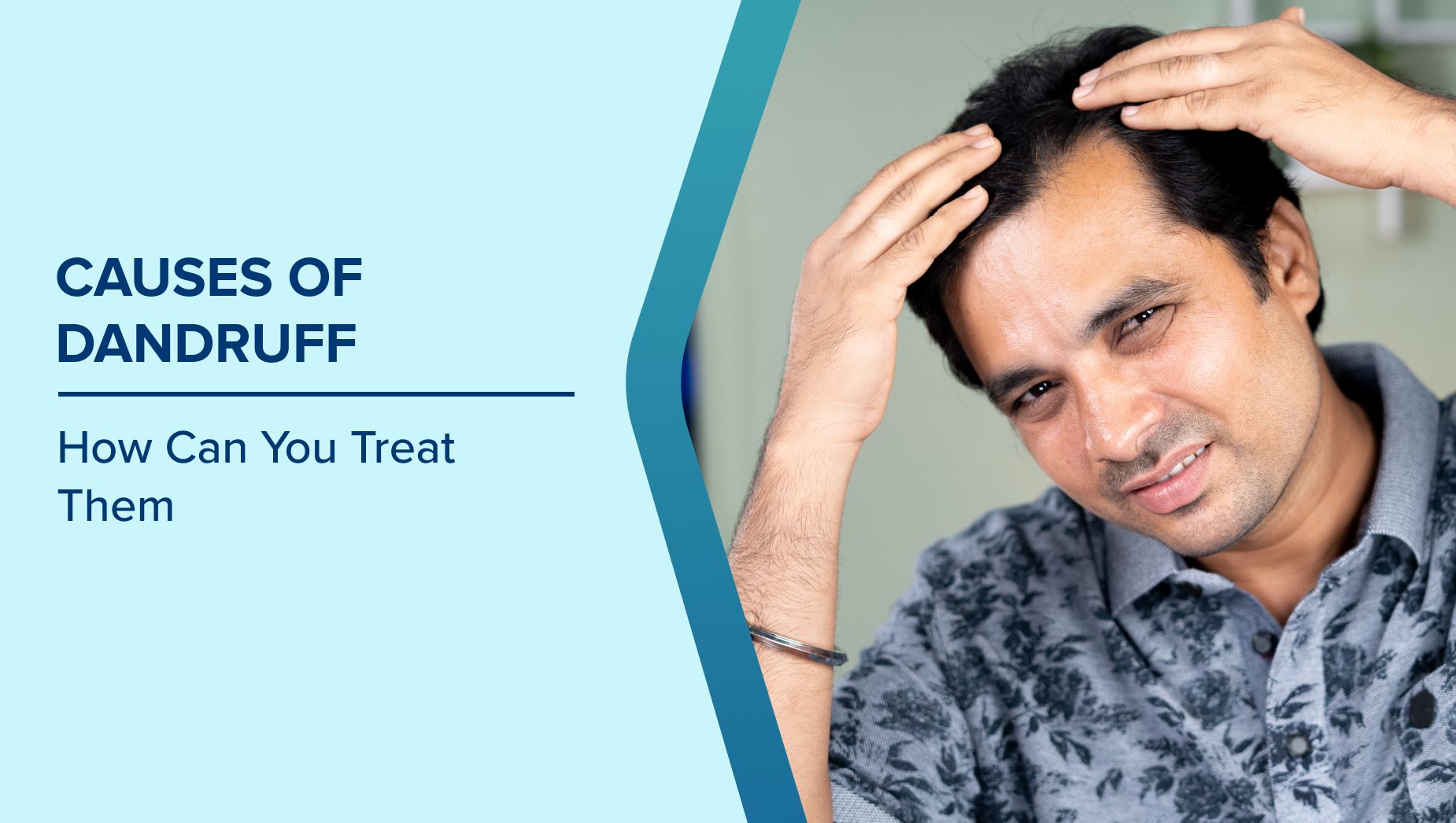
Call Us+91 926 888 0303Causes of Dandruff and How Can You Treat Them
By Dr. Sumit Hajare in Dermatology
Oct 09 , 2025 | 4 min read

Dandruff is one of the most common scalp concerns worldwide, yet it often feels frustrating and persistent. Flakes on the shoulders, an itchy scalp, and discomfort can affect both confidence and daily life. Many people wonder why dandruff appears in the first place and whether it can be fully treated. The good news is that understanding the causes of dandruff makes it easier to find effective solutions.
Let us explore the different reasons dandruff develops, how to distinguish it from other scalp problems, and the best dandruff treatment options available, ranging from shampoos to natural remedies.
Understanding Dandruff: What It Really Is
Dandruff is not just about a dry or flaky scalp. It is a condition where the skin on the scalp sheds at a faster rate than usual. Normally, skin cells renew themselves gradually and shed invisibly. In dandruff, this cycle speeds up, leading to visible white or yellowish flakes.
While dandruff is not contagious or dangerous, it can be uncomfortable and sometimes a sign of underlying scalp issues. Identifying the true cause is the first step towards lasting relief.
Different Causes of Dandruff
Dry scalp and skin sensitivity
A dry scalp is one of the most common causes of dandruff. When the scalp lacks sufficient moisture, it becomes tight, itchy, and flaky. People with naturally dry skin often experience this more during colder months. Unlike oily dandruff, flakes from a dry scalp are usually smaller and lighter.
Oily scalp and fungal growth (Malassezia)
An oily scalp may seem like the opposite of dryness, but it can also trigger dandruff. Excess oil creates an environment that allows a yeast-like fungus called Malassezia to thrive. This fungus irritates the scalp and speeds up skin cell turnover, producing greasy, yellow flakes. Many anti-dandruff shampoos specifically target this cause by reducing fungal activity.
Product build-up and harsh haircare products
Frequent use of styling gels, sprays, lotions and serums can lead to product build-up on the scalp. This build-up irritates the skin, clogs pores, and results in flakes that resemble dandruff. Switching to gentle, sulphate-free products and clarifying the scalp regularly can help prevent this issue.
Weather changes and lifestyle factors
Dandruff often worsens with seasonal changes. Cold, dry winters strip the scalp of natural oils, while hot, humid summers increase sweat and oil production. Lifestyle habits such as infrequent hair washing, poor hygiene, or wearing hats for long hours may also contribute to scalp flakiness.
Skin conditions like psoriasis and eczema
Sometimes, dandruff is not a standalone issue but a symptom of underlying skin conditions. Psoriasis causes thick, silvery scales, while eczema leads to itchy, inflamed patches that can affect the scalp. These conditions require medical care in addition to over-the-counter solutions.
Diet and overall health
A diet lacking in zinc, B vitamins, or healthy fats can impact scalp health. Maintaining overall wellness often reduces the severity of dandruff and prevents flare-ups.
How to Treat Dandruff Effectively
Over-the-counter shampoos
Anti-dandruff shampoos are often the first line of treatment. Ingredients to look for include:
- Zinc pyrithione: reduces fungal growth and scalp irritation.
- Ketoconazole: effective against stubborn fungal dandruff.
- Salicylic acid: helps exfoliate flakes and clear build-up.
- Selenium sulphide: slows down skin cell turnover.
Rotating between different formulas sometimes works better than relying on a single product.
Scalp care tips
Good scalp health is essential for preventing flakes. Simple steps include:
- Washing hair regularly, depending on oiliness and product build-up.
- Keeping the scalp hydrated by avoiding very hot water during showers.
- Choosing mild shampoos without sulphates or parabens.
These habits support long-term relief and can stop dandruff from returning.
Lifestyle changes for long-term scalp health
Healthy habits make a noticeable difference. A diet rich in zinc, omega-3 fatty acids, and vitamins supports scalp health. Managing stress through yoga, meditation, or exercise helps control flare-ups. Drinking enough water also prevents scalp dryness. Small lifestyle adjustments often make dandruff treatment more effective.
When to See a Dermatologist
While most cases of dandruff improve with the right shampoo or home remedies, persistent symptoms may need medical attention. If flakes are accompanied by redness, swelling, or intense itching, it may point to conditions like psoriasis or eczema. In sometimes severe cases of dandruff (seborrheic dermatitis), oral antifungals may be required. A dermatologist can recommend stronger treatments or medicated shampoos tailored to the underlying cause.
Conclusion
Dandruff is a common yet manageable condition. Its causes range from dry scalp and fungal growth to product build-up, weather, and even lifestyle factors. Thankfully, effective dandruff treatment options exist, including medicated shampoos, natural remedies, and better scalp care habits.
By understanding what triggers dandruff and addressing it with the right solutions, you can achieve a healthy, flake-free scalp. The key is consistency and knowing when to seek professional advice.
FAQs
Can dandruff spread from one person to another?
No, dandruff is not contagious. It may look like a scalp infection, but it cannot spread through contact, sharing combs, or using the same pillows.
Does frequent hair washing cause or prevent dandruff?
Washing hair too often with harsh shampoos can dry out the scalp, while not washing enough can lead to oil build-up. The best approach is to wash hair three to four times a week with a mild shampoo, adjusting frequency based on your scalp type.
Is dandruff linked to hair loss or thinning?
Mild dandruff does not directly cause hair loss. However, scratching an itchy scalp can damage hair follicles, leading to breakage and temporary shedding. Severe scalp conditions associated with dandruff may also contribute to thinning.
Can dandruff also affect the beard and eyebrows?
Yes, dandruff can occur anywhere sebaceous glands are present, including the beard, ears, around eyes & nose, eyebrows, and even the chest. Proper cleansing and using antifungal creams or shampoos usually help in these cases.
Are anti-dandruff shampoos safe for coloured or chemically treated hair?
Most anti-dandruff shampoos are safe, but some may cause colour fading. It is best to choose formulas specifically labelled safe for coloured hair or consult your hairstylist before using them.
Written and Verified by:

Related Blogs


Blogs by Doctor
Understanding Warts: Causes, Spread, and Effective Treatment Options
Dr. Sumit Hajare In Dermatology
Sep 25 , 2025 | 7 min read
Most read Blogs


Related Blogs
Blogs by Doctor
Understanding Warts: Causes, Spread, and Effective Treatment Options
Dr. Sumit Hajare In Dermatology
Sep 25 , 2025 | 7 min read
Most read Blogs