 WhatsApp Us (24/7)
 +91 926 888 0303 (24/7)


To Book an Appointment
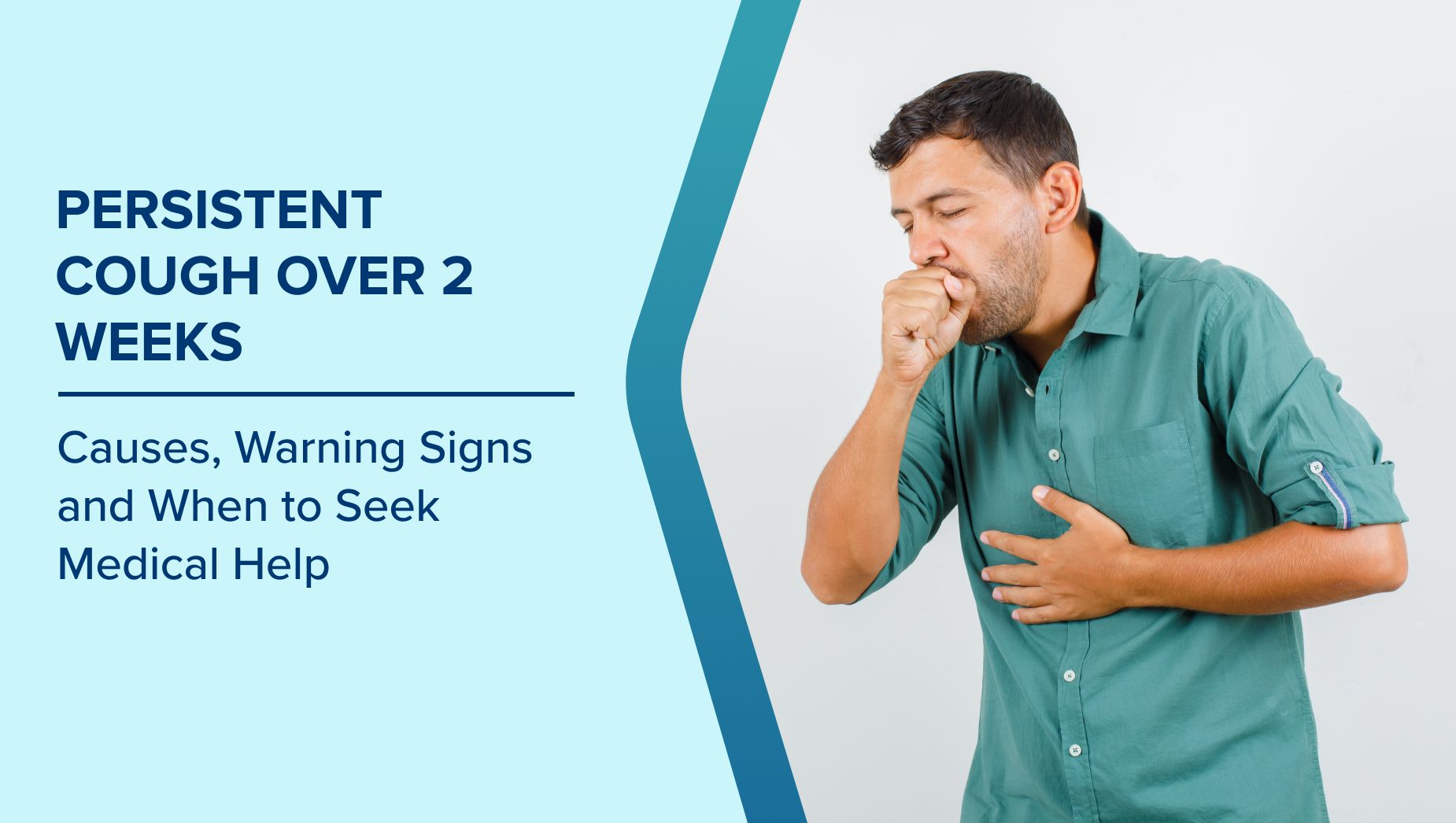
Call Us+91 926 888 0303Chronic Cough (More Than 2 Weeks): Causes, Warning Signs & Care
By Medical Expert Team
Jan 09 , 2026
1

A cough is one of the most common symptoms people experience. Most coughs improve within a few days. Some take a little longer, especially after a cold or flu. However, a persistent cough that lasts more than 2 weeks should never be ignored. A long-lasting cough may be a sign of an underlying condition that needs medical attention. It can signal irritation, inflammation or infection in the lungs, throat or airways. It may also indicate a more serious illness that requires early diagnosis.
What a Cough Lasting More Than 2 Weeks Means
A cough that continues for more than two weeks is known as a chronic cough. It is the body’s way of trying to clear mucus, irritants or infections from the throat and lungs. Coughing is usually a helpful reflex, but when it persists for too long, it suggests that something is constantly triggering it.
A long-lasting cough may involve:
- Dry coughing
- Mucus or phlegm
- Chest congestion
- Throat irritation
- Wheezing
- A feeling that you cannot take a full breath
When a cough stays beyond the normal healing time, it often means the airway is still irritated, or the lungs have not fully recovered. In some cases, it can point to conditions such as asthma, chronic bronchitis, post-viral cough, lung infection symptoms, or even tuberculosis symptoms. Early evaluation can prevent complications and help the lungs heal faster.
Common Causes of a Long-Lasting Cough
A persistent cough can happen for many reasons. Some are mild and improve with treatment. Others need closer medical attention.
Below are the most common causes of a cough that lasts more than two weeks.
- Post-Viral Cough: After a cold, flu, or viral infection, the airways can remain inflamed for weeks. This leads to an ongoing cough even when the main illness has improved.
- Allergies: Dust, pollen, pet dander and mould can cause chronic throat irritation and coughing.
- Asthma: An asthma cough may be the only symptom and is often worse at night or after exercise.
- Acid Reflux: Stomach acid irritation known as GERD can cause coughing.
- Lung Infection: Conditions like pneumonia or chronic bronchitis can cause prolonged coughing.
- Tuberculosis: A cough lasting more than two weeks is a key TB symptom.
- Smoking: Smoking irritates the lungs and leads to chronic coughing.
- Certain Medications: Some blood pressure medicines cause dry cough.
- Environmental Irritants: Pollution, fumes and chemicals trigger coughing.
- Underlying Health Conditions: Heart or airway conditions may contribute.
Warning Signs That Require Medical Help
You should seek medical care if your cough includes:
- Fever lasting more than three days
- Cough with blood
- Difficulty breathing
- Sudden weight loss
- Night sweats
- Persistent wheezing
- Chest pain
- A cough disrupting sleep or daily life
These warning signs often appear in lung infections, asthma flare-ups and tuberculosis.
How Doctors Diagnose a Chronic Cough
Doctors may perform examinations, imaging and tests to identify the cause.
- Physical examination: Listening to lungs
- Chest X-ray: Identifies pneumonia or TB
- Lung function tests: Diagnose asthma
- Blood tests: Detect infection
- Sputum tests: Check for bacteria or TB
- Allergy testing: Identifies triggers
- Reflux evaluation: For GERD-related cough
Treatment Options for a Long-Lasting Cough
Medications
- Antibiotics for bacterial infections
- Inhalers for asthma
- Anti-allergy medicines
- GERD medication
- Cough suppressants
Lifestyle Changes
- Avoiding smoke and pollution
- Staying hydrated
- Using humidifiers
- Avoiding cold air
Specific Treatments
- TB treatment
- Steroid inhalers
- Occupational exposure therapy
Self-Care and Prevention Tips
- Warm fluids: Soothe throat
- Steam inhalation: Reduces congestion
- Honey: Calms dry cough
- Avoid irritants: Smoke and dust
- Rest: Boosts recovery
- Hydration: Thins mucus
- Salt water gargles: Reduce irritation
When a Cough Becomes an Emergency
- Trouble breathing
- Chest pain spreading to arm or jaw
- Blue lips or face
- Coughing large amounts of blood
- Sudden confusion or dizziness
- High fever with chills
Conclusion
A cough lasting more than two weeks needs medical attention. Early diagnosis prevents complications and protects lung health.
Frequently Asked Questions
Can dehydration cause a persistent cough?
Yes. Dry airways make mucus thick and harder to clear.
Why does my cough get worse at night?
Mucus pooling and acid reflux worsen coughing at night.
Can weather changes cause a long-lasting cough?
Cold air and low humidity can irritate sensitive airways.
Do air purifiers help reduce chronic cough symptoms?
Yes, they reduce allergens and airborne irritants.
Can a long-lasting cough affect the voice?
Yes, repeated coughing can strain vocal cords and cause hoarseness.
Related Blogs

Medical Expert Team
Jun 06 , 2015 | 2 min read

Blogs by Doctor

Arterial Blood Gas (ABG) Test: Purpose, Procedure and Result Interpretation
Dr. Priyanka Aggarwal In Pulmonology
Dec 31 , 2025 | 8 min read

Most read Blogs


Related Blogs
Medical Expert Team
Jun 06 , 2015 | 2 min read
Blogs by Doctor
Arterial Blood Gas (ABG) Test: Purpose, Procedure and Result Interpretation
Dr. Priyanka Aggarwal In Pulmonology
Dec 31 , 2025 | 8 min read
Most read Blogs