 WhatsApp Us (24/7)
 +91 926 888 0303 (24/7)


To Book an Appointment
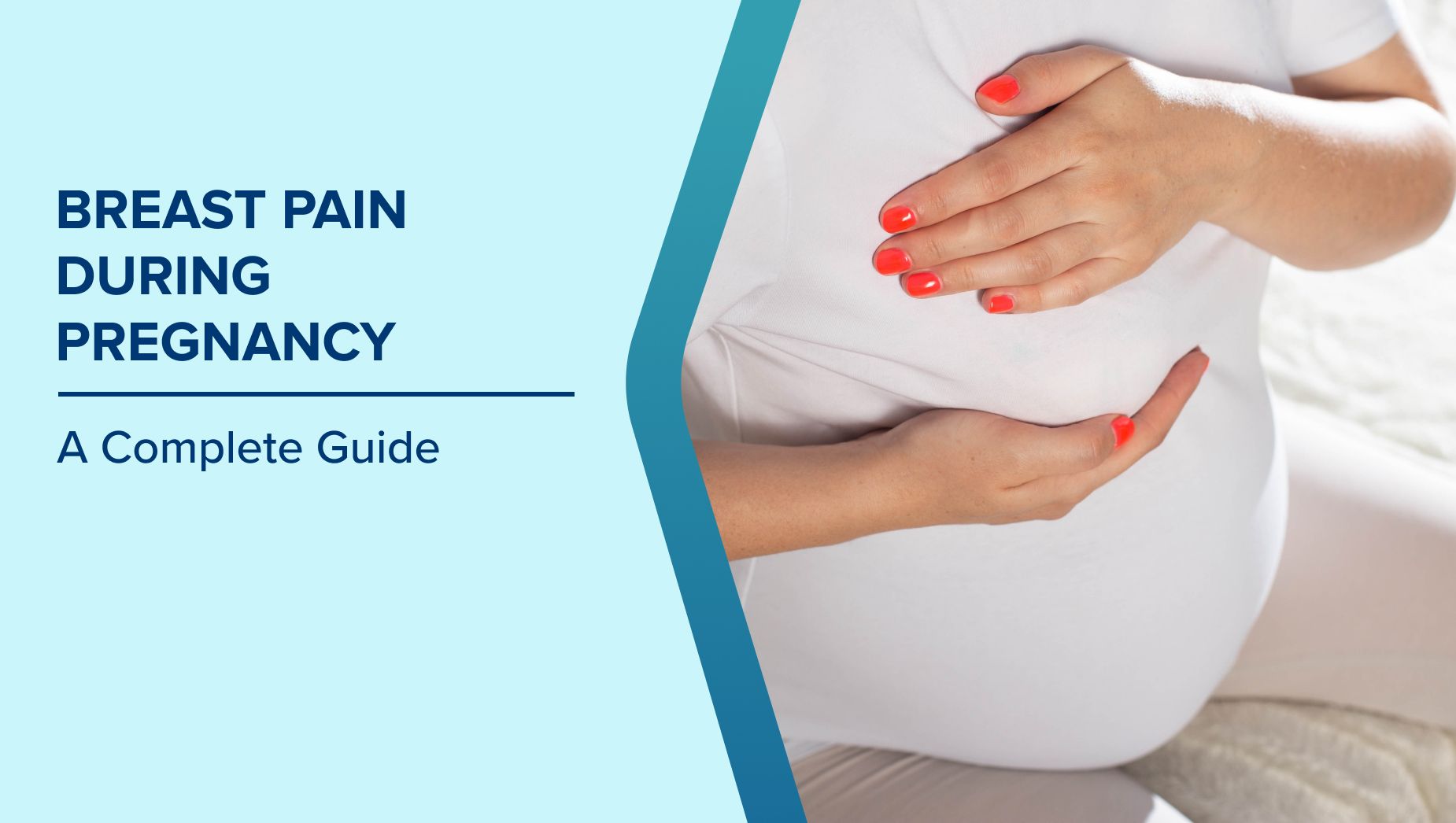
Call Us+91 926 888 0303Breast Pain During Pregnancy: A Complete Guide
By Dr. Parinita Kalita in Obstetrics And Gynaecology , Robotic Surgery , Gynaecologic Laparoscopy
Dec 03 , 2025 | 6 min read
2

The journey of pregnancy is filled with incredible changes, and many of them happen even before you get to see a baby bump. You might start noticing that your breasts feel heavier, more sensitive, or even sore to the touch.
This can be one of the earliest signs of a little one on the way, and it's a topic that often leaves people wondering, "Is this normal?" and "What can I do about it?"
The Root Cause: Hormonal Changes
Breast pain during pregnancy is primarily caused by a dramatic increase in hormones, specifically estrogen and progesterone. These hormones begin preparing your breasts for breastfeeding almost immediately after conception.
What is the Cause of Breast Pain in Early Pregnancy?
Breast pain is one of the very first signs of a new pregnancy, often appearing even before a missed period. The sudden surge in estrogen and progesterone sends a signal to your body to prepare for milk production. These hormones stimulate the growth of milk ducts and glands, leading to increased blood flow to the breasts. This process can cause the feeling of fullness, tingling, and a notable tenderness to the touch.
For example, you might find that simply putting on a bra or even lying on your stomach feels uncomfortable. This discomfort is a direct result of your body's amazing biological work to create a nourishing environment for your baby.
Breast Changes in Each Trimester
Breast pain and changes evolve throughout your pregnancy stages, becoming a key indicator of your body's progress.
First Trimester: The Initial Shock (Weeks 1-13)
During the first trimester, the breast changes are often the most pronounced and sometimes the most painful. The hormonal shift is at its peak, and your body is in the initial phases of prenatal health development.
- What to expect: You might experience heightened sensitivity and a feeling of heaviness. Your nipples and areolas may become larger and darker. Some women describe the feeling as similar to the soreness they experience before their period, but more intense.
- Why it happens: This is the most active phase of duct and gland growth. The increase in blood flow causes the breasts to feel full and swollen.
Second Trimester: The "Golden" Period (Weeks 14-27)
For many people, the second trimester brings a welcome decrease in breast pain. The hormonal levels stabilise, and your body has adjusted to the rapid changes.
- What to expect: While the intense soreness may subside, your breasts will continue to grow and feel fuller. You may also notice the appearance of a yellowish, thick fluid called colostrum leaking from your nipples. This is completely normal and is a sign of your body's continued preparation for your baby.
- Why it happens: Your body is now in a maintenance phase. The initial development is complete, and the focus is on maturation and preparing for milk production. The leaking of colostrum is a natural sign of this process.
Third Trimester: The Final Stretch (Weeks 28-40+)
In the final trimester, breast pain may return as your body ramps up for labour and delivery. Your breasts will be at their largest and may feel heavier than ever before.
- What to expect: The soreness may come back, and the leaking of colostrum can become more frequent. You might also notice veins becoming more prominent on your breasts due to increased blood flow.
- Why it happens: This final stage of trimester care is a dress rehearsal for birth and lactation. Your breasts are full and ready, and this can lead to feelings of heaviness and discomfort.
Key Takeaways
- First Trimester: Most intense pain and sensitivity.
- Second Trimester: Pain often subsides, but breasts continue to grow. Colostrum may appear.
- Third Trimester: Pain and heaviness may return as your body prepares for birth.
How to Find Relief from Breast Pain
While breast pain is a normal part of your pregnancy care, there are several pregnancy tips that can help you manage the discomfort.
- Wear a Supportive Bra:
- Choose the right fit: Your breasts will grow, so invest in bras that are comfortable and provide good support.
- Opt for soft materials: Look for bras made from soft, breathable fabrics without underwire, which can dig into your skin and cause discomfort.
- Wear a bra to bed: Many people find that wearing a soft sleep bra at night provides relief and support, reducing the pulling and tugging that can cause pain.
- Use Warm or Cool Compresses:
- Warm compress: Applying gentle warmth can relax muscles and improve blood circulation.
- Cool compress: Using a cool pack can help soothe tenderness and minimise swelling.
- Stay Hydrated: Drinking enough water during pregnancy supports overall health and helps manage breast swelling and fluid retention.
- Practice Gentle Exercise: Light exercises such as walking or prenatal yoga can boost circulation and ease general pregnancy discomfort. Always consult your doctor before starting any new exercise routine.
When to Contact Your Doctor
While most breast pain is a normal sign of your body adapting, there are times when it might signal a different issue. It is important to contact your healthcare provider if you experience any of the following:
- A lump or mass: While new lumps are often harmless due to hormonal changes, a persistent or hard lump should always be checked by a doctor to rule out any pregnancy complications.
- Severe, localised pain: If the pain is sharp, severe, and limited to one specific area, it could be a sign of a clogged milk duct or another issue.
- Signs of infection: Redness, warmth, swelling, or fever, along with breast pain, could indicate a breast infection, such as mastitis, which requires medical attention.
- Unusual nipple discharge: While colostrum is normal, any discharge that is bloody or has a strange colour should be discussed with your doctor.
Medical experts suggest that any new or unusual symptom should be brought to the attention of your healthcare provider. It is always better to be safe and get a professional opinion.
Conclusion
Breast pain is a normal, and often unavoidable, part of your healthy pregnancy journey. It is a powerful reminder of the incredible changes your body is undergoing to nurture a new life. By understanding the reasons behind this discomfort and taking proactive steps to manage it, you can make your journey a bit more comfortable. Remember to listen to your body, wear supportive clothing, and most importantly, don’t hesitate to talk to your healthcare provider about any concerns. Every symptom, even an uncomfortable one, is a sign that you are on the right path to meeting your beautiful baby.
Frequently Asked Questions
Is breast pain a definitive sign of pregnancy?
While breast pain is a very common early symptom, it's not a definitive one. Many women experience similar breast tenderness before their menstrual period. The only way to confirm a pregnancy is with a pregnancy test.
Will the breast pain last my entire pregnancy?
For most people, the most intense breast pain and sensitivity occur in the first trimester. It usually subsides or becomes less noticeable in the second trimester, although some discomfort and heaviness may return in the third.
Can a healthy pregnancy diet help with breast pain?
A healthy, balanced diet can support overall well-being during pregnancy. Reducing sodium intake, for instance, can help minimise fluid retention and swelling, which may help with breast discomfort.
What should I do if my breasts are leaking colostrum?
Leaking colostrum is a normal sign of your body preparing for lactation. You can use disposable or reusable breast pads inside your bra to absorb any fluid and keep your clothes dry.
Is it safe to use topical creams for breast pain?
It’s commonly recommended to consult with your doctor before using any topical creams or ointments for breast pain, as some ingredients may not be safe during pregnancy.
Written and Verified by:

Related Blogs

Dr. Manju Khemani In Obstetrics And Gynaecology
Oct 27 , 2020 | 3 min read

Dr. Neera Aggarwal In Obstetrics And Gynaecology , Nutrition And Dietetics
Nov 07 , 2020 | 7 min read
Blogs by Doctor

What to Expect When you are Expecting
Dr. Parinita Kalita In Obstetrics And Gynaecology
Apr 18 , 2016 | 2 min read

What are Postpartum Periods: Essential Facts & Tips for New Moms
Dr. Parinita Kalita In Obstetrics And Gynaecology , Robotic Surgery , Gynaecologic Laparoscopy
Jul 31 , 2023 | 4 min read
Most read Blogs

Related Blogs
Dr. Manju Khemani In Obstetrics And Gynaecology
Oct 27 , 2020 | 3 min read
Dr. Neera Aggarwal In Obstetrics And Gynaecology , Nutrition And Dietetics
Nov 07 , 2020 | 7 min read
Blogs by Doctor
What to Expect When you are Expecting
Dr. Parinita Kalita In Obstetrics And Gynaecology
Apr 18 , 2016 | 2 min read
What are Postpartum Periods: Essential Facts & Tips for New Moms
Dr. Parinita Kalita In Obstetrics And Gynaecology , Robotic Surgery , Gynaecologic Laparoscopy
Jul 31 , 2023 | 4 min read
Most read Blogs