 WhatsApp Us (24/7)
 +91 926 888 0303 (24/7)


To Book an Appointment
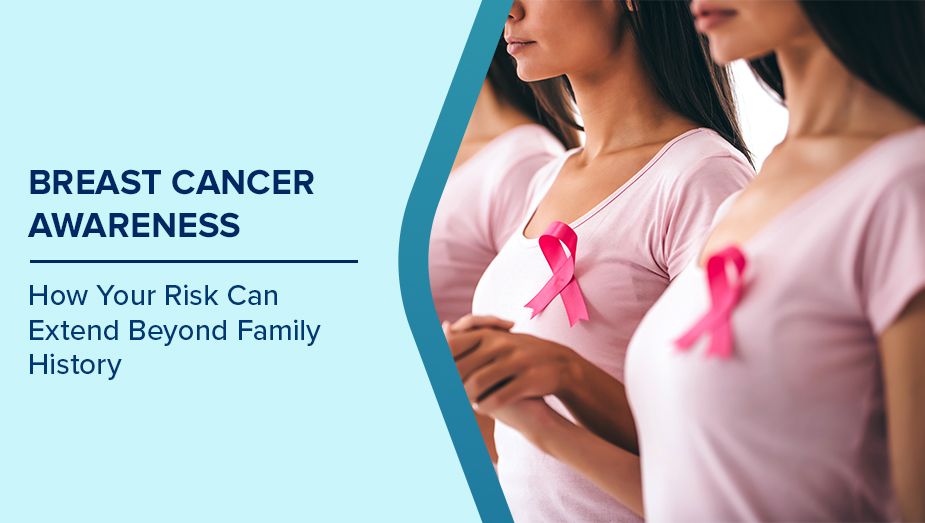
Call Us+91 926 888 0303Breast Cancer Awareness: How Your Risk Can Extend Beyond Family History
By Dr Peush Bajpai in Medical Oncology , Cancer Care / Oncology
Oct 10 , 2025 | 4 min read

Breast cancer awareness often focuses on family history, but it is just one piece of the puzzle. Many women worry that if no one in their family has experienced the disease, they are safe. The reality is that a wide range of factors can influence breast cancer risk.
Understanding these elements helps women take proactive steps in early detection, prevention, and overall breast health.
Understanding Breast Cancer Risk
Breast cancer develops when breast cells begin to grow and multiply abnormally. While genetics play a role, numerous other factors affect risk. Age is one of the most significant determinants, with risk increasing as women grow older. Hormonal influences, reproductive history, lifestyle choices, and environmental exposures can all contribute to risk, often independently of family history. Recognising these risk factors allows women to adopt preventive strategies and remain vigilant about changes in their breast health.
Beyond Family History: Lesser-Known Risk Factors
Even if your family history is clear, these aspects can affect your breast cancer risk:
- Hormonal Factors: Long-term exposure to oestrogen, either naturally or through hormone therapy, can influence breast tissue growth. Women who start menstruating early or experience menopause late have prolonged exposure.
- Reproductive History: Women who have never given birth or had their first child later in life may face a slightly higher risk.
- Lifestyle Factors: Sedentary behaviour, poor diet, high alcohol consumption, and obesity can all contribute to breast cancer risk. Staying physically active and keeping a healthy weight play a key role in prevention.
- Personal Health Conditions: Certain benign breast conditions and previous breast lesions may slightly increase risk. Keeping up with regular check-ups helps track any changes.
- Environmental Exposure: Prolonged contact with certain chemicals or radiation can influence breast tissue health over time. Awareness of surroundings and protective measures is important.
Signs and Symptoms to Watch For
Early detection is vital. While lumps are the most recognised sign, other subtle changes should not be ignored:
- Unexplained changes in breast size or shape: Noticeable asymmetry or swelling may indicate underlying tissue changes.
- Persistent skin dimpling or puckering: Skin may appear uneven, resembling an orange peel, suggesting tissue abnormalities.
- Nipple changes, such as inversion or unusual discharge: Nipple turning inward or fluid secretion could signal abnormal breast activity.
- Redness or scaling of the breast or nipple: Persistent irritation or flaky skin may reflect inflammation or abnormal cell growth.
- Persistent pain or tenderness not linked to menstruation: Continuous discomfort outside the menstrual cycle could indicate underlying issues requiring attention.
Even if these symptoms appear minor, seeking prompt evaluation ensures timely intervention and peace of mind.
Importance of Regular Screening
Screening plays an important role in early detection, particularly when there is no family history.
- Breast Self-Examination: Monthly checks allow women to become familiar with their breast texture and notice changes quickly.
- Clinical Breast Examination: Performed by healthcare professionals, these exams can identify subtle issues not easily detected at home.
- Imaging Tests: Mammograms, ultrasounds, or other imaging help detect abnormalities early, even before symptoms develop. Regular screening schedules should be personalised with guidance from a healthcare provider.
Lifestyle Choices for Reducing Risk
Adopting healthy habits can lower risk and improve overall well-being:
- Balanced Diet: Focus on fruits, vegetables, whole grains, and lean proteins to support a healthy weight and hormonal balance.
- Physical Activity: Regular exercise improves circulation, reduces inflammation, and helps maintain a healthy weight.
- Limit Alcohol: Even moderate alcohol intake can increase risk. Reducing consumption is a preventive measure.
- Manage Stress: Chronic stress can impact hormone levels, so incorporating mindfulness, meditation, or relaxation routines into your daily routine can support overall health.
- Avoid Smoking: Tobacco exposure is linked to various cancers, including breast cancer. Quitting reduces risk over time.
Hormonal Influence on Breast Health
Hormones, especially oestrogen and progesterone, play a significant role in breast tissue development and health. Imbalances or prolonged exposure can influence cellular growth patterns.
Women undergoing hormone replacement therapy or certain contraceptives should discuss potential risks with their healthcare provider to balance benefits and preventive strategies.
Preventive Measures and Early Action
Being proactive helps women minimise risk and catch changes early:
- Adopt a routine of self-checks and professional screenings.
- Maintain a healthy lifestyle to support immunity and hormonal balance.
- Report any unusual breast changes immediately to a healthcare provider.
- Educate yourself about risk factors beyond genetics, including environmental and lifestyle influences.
Timely action can significantly improve outcomes and provide peace of mind.
Conclusion
Breast cancer awareness should extend beyond family history. By recognising a broad range of risk factors, staying vigilant for subtle changes, and adopting preventive habits, women can protect their breast health effectively.
Empowerment comes from knowledge, self-care, and open communication with healthcare professionals. Taking early action can make a meaningful difference in long-term outcomes and overall well-being.
Frequently Asked Questions
Can lifestyle changes actually lower breast cancer risk even without a family history?
Yes, adopting habits such as maintaining a healthy weight, limiting alcohol, exercising regularly, and choosing balanced nutrition can support overall breast health and reduce risks.
Does breast density affect breast cancer risk?
Dense breast tissue can make it hard to detect abnormalities on mammograms and is considered a factor that may increase risk.
Are men also at risk of developing breast cancer?
Although rare, breast cancer can affect men. Awareness of unusual changes, such as lumps or nipple discharge, is equally important for early detection.
How does age influence breast cancer risk?
The risk of breast cancer increases with age, which makes regular screenings especially important for women over 40.
Can certain medical treatments or conditions increase breast cancer risk?
Yes, previous chest radiation or long-term hormone therapy may increase susceptibility, even without a family history.
Written and Verified by:

Related Blogs


Dr. Meenu Walia In Medical Oncology , Cancer Care / Oncology
Aug 02 , 2016 | 4 min read
Blogs by Doctor
Living with Lymphoma: Diagnosis, Treatment, and Hope Through Immunotherapy
Dr Peush Bajpai In Medical Oncology , Cancer Care / Oncology
Sep 08 , 2025 | 5 min read
Most read Blogs


Related Blogs
Dr. Meenu Walia In Medical Oncology , Cancer Care / Oncology
Aug 02 , 2016 | 4 min read
Blogs by Doctor
Living with Lymphoma: Diagnosis, Treatment, and Hope Through Immunotherapy
Dr Peush Bajpai In Medical Oncology , Cancer Care / Oncology
Sep 08 , 2025 | 5 min read
Most read Blogs