 WhatsApp Us (24/7)
 +91 926 888 0303 (24/7)


To Book an Appointment
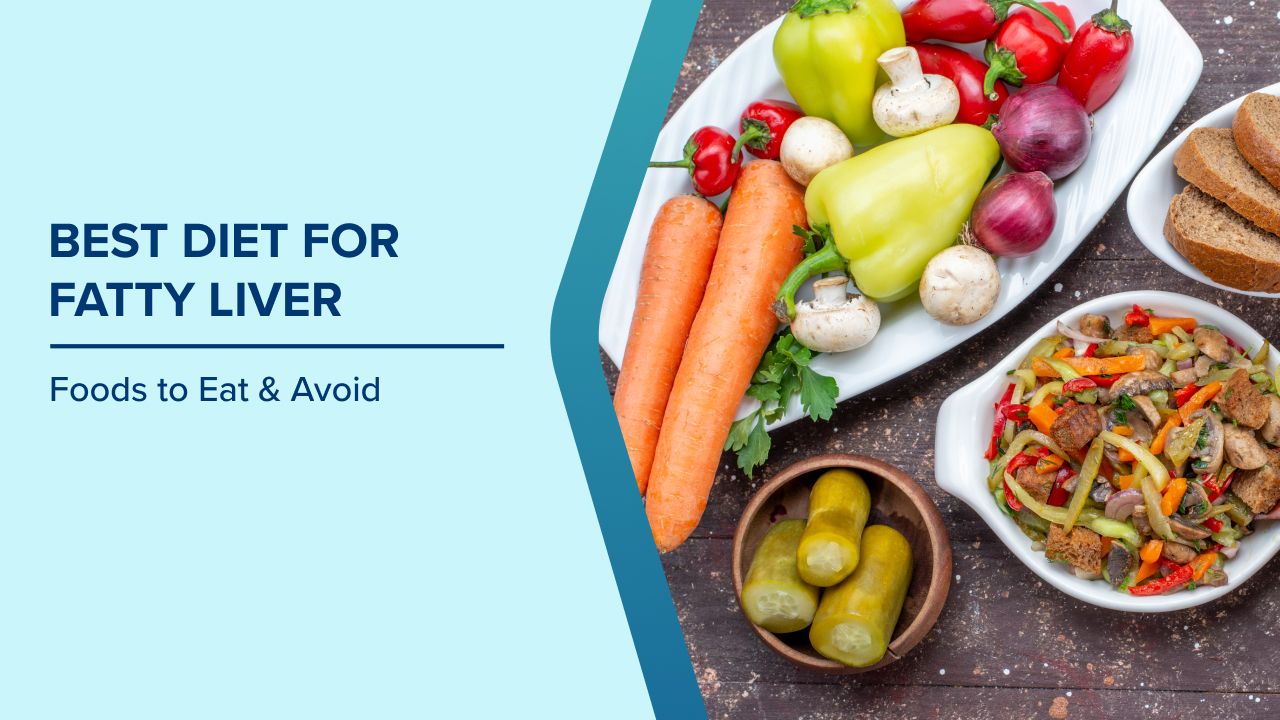
Call Us+91 926 888 0303Best Diet for Fatty Liver: Foods to Eat & Avoid
By Dr. Pratyush Sharan Singhal in Gastroenterology, Hepatology & Endoscopy
Mar 25 , 2026

Fatty liver disease occurs when excess fat accumulates in liver cells, affecting the liver’s ability to function properly. It is increasingly common due to sedentary lifestyles, unhealthy eating habits, and rising obesity rates. The good news is that diet plays a major role in managing and even reversing the condition. Choosing the best diet for fatty liver can help reduce liver fat, control inflammation, and support overall metabolic health. By focusing on foods for fatty liver that nourish the body and avoiding harmful foods, many people can significantly improve liver health and prevent complications.
What is Fatty Liver Disease?
Fatty liver disease is a condition in which excessive fat builds up in the liver. Normally, the liver contains a small amount of fat, but when fat makes up more than about 5–10% of the liver’s weight, it may lead to fatty liver disease.
There are two main types:
- Alcoholic Fatty Liver Disease (AFLD): Caused by excessive alcohol consumption.
- Non-Alcoholic Fatty Liver Disease (NAFLD/MASLD): Occurs in people who drink little or no alcohol and is commonly associated with obesity, insulin resistance, and metabolic syndrome.
Over time, untreated fatty liver can progress to inflammation, liver damage, and more serious conditions such as fibrosis or cirrhosis. Fortunately, a fatty liver disease diet combined with lifestyle changes can significantly reduce liver fat.
Why Diet Matters for Fatty Liver
Diet plays a central role in the development and treatment of fatty liver disease. Excess calories, sugars, and unhealthy fats can increase fat storage in the liver, while balanced nutrition can help reverse this process. Key reasons diet is important include:
- Regulating blood sugar levels
- Reducing inflammation in liver cells
- Supporting weight loss for fatty liver
- Improving metabolism and insulin sensitivity
Foods high in refined sugars, processed carbohydrates, and unhealthy fats often contribute to liver fat accumulation. On the other hand, nutrient-rich foods support liver repair and improve overall metabolic health.
Following a fatty liver diet plan can help restore normal liver function and prevent disease progression.
Best Foods to Eat for Fatty Liver
Certain foods help reduce inflammation, improve metabolism, and support liver detoxification. Including these foods regularly in a fatty liver treatment diet can significantly improve liver health.
High-Fiber Foods
Fibre plays an important role in controlling blood sugar levels and reducing fat accumulation in the liver. Examples of high-fibre foods include:
- Whole grains such as oats, brown rice, and quinoa
- Legumes like lentils, chickpeas, and beans
- Fresh vegetables such as broccoli, carrots, and spinach
- Fruits, including apples and pears
Fibre helps improve digestion and supports healthy gut bacteria, which can indirectly benefit liver health.
Healthy Fats
Not all fats are harmful. Healthy fats, particularly omega-3 fatty acids, may help reduce inflammation and liver fat levels. Healthy fat sources include:
- Olive oil
- Avocados
- Nuts such as almonds and walnuts
- Seeds like chia seeds and flaxseeds
- Fatty fish such as salmon, sardines, and mackerel
These foods support a liver-healthy diet and may help improve cholesterol levels.
Antioxidant-Rich Foods
Antioxidants protect the liver from oxidative stress and inflammation. They are an essential part of liver health foods. Foods rich in antioxidants include:
- Berries such as blueberries and strawberries
- Leafy greens like kale and spinach
- Citrus fruits, including oranges and lemons
- Green tea
These foods may help reduce inflammation and support the liver’s natural detoxification processes.
Lean Protein Sources
Protein supports metabolism and helps maintain muscle mass, especially during weight loss. Healthy lean protein options include:
- Skinless chicken breast
- Fish
- Tofu and soy products
- Lentils and beans
- Eggs in moderation
Lean proteins can help maintain energy levels while supporting weight management.
Foods to Avoid with Fatty Liver
While some foods support liver health, others can worsen the condition. Limiting these foods is essential in a fatty liver disease diet.
Sugary Foods and Drinks
Excess sugar is one of the main contributors to fatty liver disease because it increases fat production in the liver. Foods and drinks to limit include:
- Soft drinks and soda
- Packaged fruit juices
- Sweets and desserts
- Candy and sugary snacks
Reducing sugar intake is one of the most effective ways to support fatty liver treatment naturally.
Refined Carbohydrates
Highly processed carbohydrates are quickly converted into sugar, which may lead to increased liver fat. Examples include:
- White bread
- Pastries and cakes
- Processed snack foods
- Sugary cereals
Choosing whole grains instead can help maintain stable blood sugar levels.
Unhealthy Fats
Certain fats can increase inflammation and worsen liver damage. Foods high in unhealthy fats include:
- Fried foods
- Fast food
- Processed meats such as sausages and bacon
- Packaged snacks high in trans fats
These foods are considered bad for the liver and should be limited as much as possible.
Alcohol
Alcohol places significant stress on the liver. Even moderate consumption can worsen liver damage in individuals with fatty liver disease.
Reducing or completely avoiding alcohol is often recommended for people diagnosed with fatty liver.
Sample Daily Diet Plan for Fatty Liver
A balanced fatty liver diet plan can include a variety of nutrient-rich foods throughout the day.
Breakfast
- Oatmeal topped with berries and flaxseeds
- Green tea or black coffee without sugar
Mid-Morning Snack
- A handful of almonds or walnuts
- Fruit
Lunch
- Grilled chicken or tofu
- Brown rice or quinoa
- Mixed vegetable salad with olive oil dressing
Evening Snack
- Greek yoghurt or roasted chickpeas
- Herbal tea
Dinner
- Baked salmon or lentil curry
- Steamed vegetables
- Whole-grain roti or a small portion of brown rice
This type of balanced meal plan supports healthy liver function and helps control calorie intake.
Lifestyle Tips Along with Diet
Diet alone is important, but combining it with healthy lifestyle habits provides the best results. Helpful lifestyle strategies include:
- Regular physical activity: Aim for at least 30 minutes of exercise most days of the week.
- Weight management: Gradual weight loss can significantly reduce liver fat.
- Reducing sugar intake: Limit processed foods and sugary beverages.
- Staying hydrated: Drinking enough water helps support metabolism.
- Getting adequate sleep: Poor sleep may affect metabolism and liver health.
These lifestyle changes for fatty liver disease can help prevent disease progression and improve overall well-being.
When to Consult a Doctor
Although fatty liver disease is often manageable through lifestyle changes, medical guidance is important in certain situations. Consult a healthcare professional if you experience:
- Persistent fatigue or weakness
- Abnormal liver function test results
- Unexplained weight changes
- Persistent abdominal discomfort
Doctors may recommend blood tests, imaging tests, or specialised treatment depending on the severity of the condition.
Frequently Asked Questions
1. Can fatty liver be reversed with diet alone?
In many cases, especially in early stages, fatty liver can improve with dietary changes and weight loss. A healthy fatty liver diet plan combined with exercise can significantly reduce liver fat. However, medical monitoring is still recommended.
2. Is coffee good or bad for fatty liver?
Moderate coffee consumption may benefit liver health. Coffee contains antioxidants that may help reduce liver inflammation and support liver function. However, it should be consumed without excessive sugar or cream.
3. How long does it take to improve fatty liver with diet changes?
Improvement can vary depending on the severity of the condition and lifestyle habits. Some individuals may see improvements in liver enzyme levels within a few months (usually 3–6 months) after adopting a healthy diet and exercise routine.
4. Are intermittent fasting diets safe for fatty liver patients?
Some studies suggest intermittent fasting may help with weight loss and metabolic health. However, individuals with fatty liver should consult a healthcare professional before starting any fasting regimen.
5. Can fatty liver cause other health problems if untreated?
Yes, untreated fatty liver may progress to more serious conditions such as liver inflammation, fibrosis, cirrhosis, and even liver failure. It is also linked with diabetes and cardiovascular disease.
6. Are fruit juices recommended for fatty liver?
Whole fruits are generally better than fruit juices because juices contain concentrated sugars and less fibre. Excess sugar intake can increase liver fat, so fruit juices should be avoided in fatty liver.
7. Avoid HERBAL Medicine & liver detox vegimins?
Yes, in many situations, it’s wise to be cautious or avoid herbal medicines and “liver detox” supplements, especially without medical advice.
Written and Verified by:

Related Blogs

Dr. Nivedita Pandey In Gastroenterology, Hepatology & Endoscopy , Liver Transplant and Biliary Sciences
Nov 07 , 2020 | 2 min read
Dr. Nivedita Pandey In Gastroenterology, Hepatology & Endoscopy , Liver Transplant and Biliary Sciences
Nov 07 , 2020 | 2 min read
Blogs by Doctor

Hepatitis Awareness: Dispelling Common Myths
Dr. Pratyush Sharan Singhal In Gastroenterology, Hepatology & Endoscopy
Jul 28 , 2023 | 2 min read
Most read Blogs


Related Blogs
Dr. Nivedita Pandey In Gastroenterology, Hepatology & Endoscopy , Liver Transplant and Biliary Sciences
Nov 07 , 2020 | 2 min read
Dr. Nivedita Pandey In Gastroenterology, Hepatology & Endoscopy , Liver Transplant and Biliary Sciences
Nov 07 , 2020 | 2 min read
Blogs by Doctor
Hepatitis Awareness: Dispelling Common Myths
Dr. Pratyush Sharan Singhal In Gastroenterology, Hepatology & Endoscopy
Jul 28 , 2023 | 2 min read
Most read Blogs