 WhatsApp Us (24/7)
 +91 926 888 0303 (24/7)


To Book an Appointment
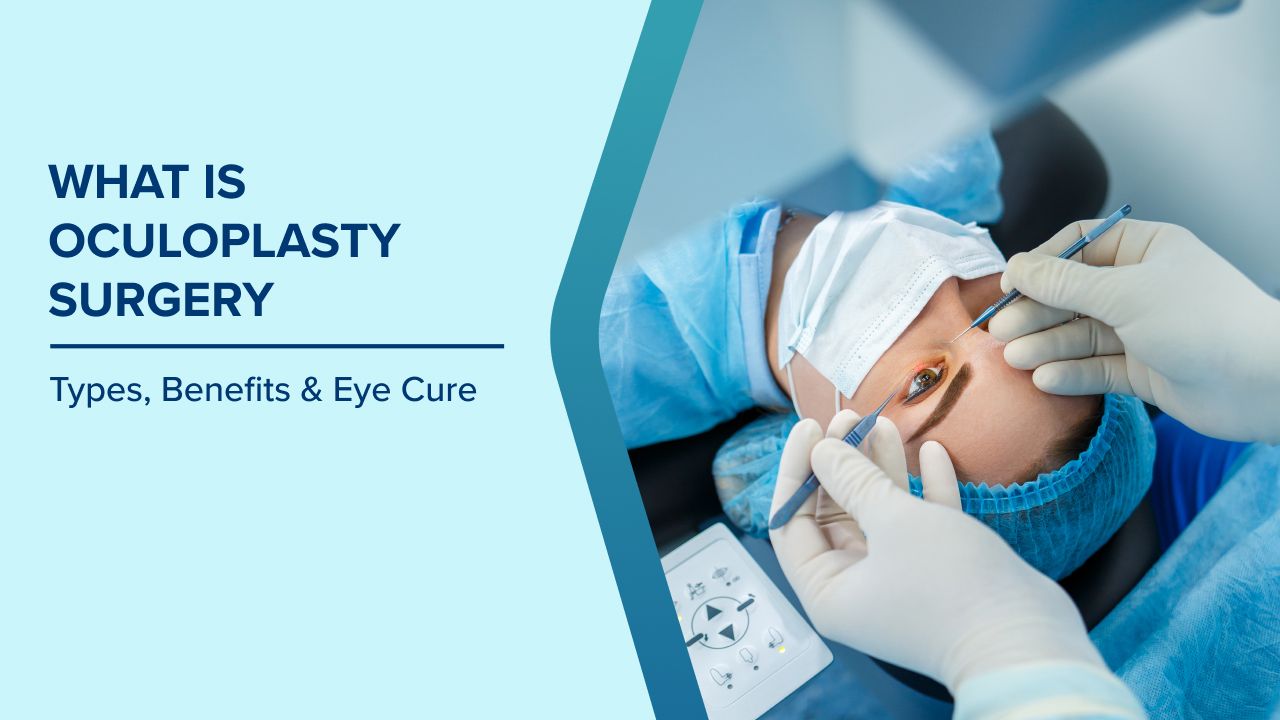
Call Us+91 926 888 0303What is Oculoplasty Surgery: Types, Benefits & Eye Cure
By Dr. Shweta Gupta in Eye Care / Ophthalmology
Apr 23 , 2026
2

When it comes to eye health, most people think only about vision. However, the structures surrounding the eyes, including the eyelids, tear ducts, and eye socket, play an equally important role in both function and appearance. This is where oculoplasty comes in.
Oculoplasty is a specialised field that focuses on treating conditions affecting the delicate areas around the eyes. Whether it is a functional concern or a cosmetic need, understanding this branch of care can help patients make informed decisions.
What Is Oculoplasty?
Oculoplasty, also commonly known as ophthalmic plastic surgery, is a subspecialty of ophthalmology that deals with the reconstruction and cosmetic enhancement of the eye and its surrounding structures.
It focuses on areas such as:
● Eyelids
● Tear drainage system
● Eye socket (orbit)
● Surrounding facial structures
Unlike general cosmetic procedures, oculoplasty combines both medical precision and aesthetic understanding, ensuring that eye function is preserved while improving appearance when needed.
Why Is Oculoplasty Important?
The tissues around the eyes are delicate and highly functional. Even minor issues can affect comfort, vision, and overall eye health.
Oculoplasty becomes important when:
● Eyelid position interferes with vision
● Tear drainage is blocked, causing constant watering
● There is injury or damage to the eye area
● Structural changes affect eye protection
Addressing these issues early can prevent complications and improve daily comfort.
Read More:- Children’s Eye Health and Safety: Signs, Common Problems & Vision Screening
Conditions Treated in Oculoplasty
Oculoplasty covers a wide range of conditions, both medical and cosmetic.
Common conditions include:
Eyelid Disorders
● Drooping eyelids that affect vision
● Inward or outward turning of eyelids
● Excess skin around the eyes
Tear Duct Problems
● Blocked tear ducts leading to watery eyes
● Recurrent eye infections due to poor drainage
Orbital Conditions
● Swelling or abnormalities in the eye socket
● Trauma-related injuries around the eye
Growths and Lesions
● Benign or suspicious lumps around the eyelids
● Skin changes that require evaluation
Each condition requires a tailored approach depending on severity and patient needs.
Types of Oculoplasty Procedures
Oculoplasty includes both functional and cosmetic procedures.
Functional Procedures
These are performed to restore normal eye function.
Examples:
● Correction of drooping eyelids
● Repair of tear duct blockages
● Reconstruction after injury or surgery
Cosmetic Procedures
These focus on improving appearance while maintaining function.
Examples:
● Eyelid reshaping
● Removal of excess skin
● Correction of puffiness around the eyes
In many cases, procedures serve both functional and cosmetic purposes.
Paediatric Oculoplasty
Oculoplasty is not limited to adults. Certain eye-related conditions can also affect children and may require specialised care.
Paediatric oculoplasty focuses on:
● Congenital eyelid abnormalities
● Blocked tear ducts in infants
● Eyelid malpositions present from birth
● Trauma or growth-related concerns
Early evaluation is important, as some of these conditions can impact visual development and eye protection if left untreated. Treatment approaches are carefully tailored to suit a child’s age and needs.
Botox in Oculoplasty
In addition to surgical procedures, non-surgical treatments like Botox are also used in oculoplasty for selected cases.
Botox may be recommended for:
● Reducing fine lines around the eyes
● Managing eyelid spasms (blepharospasm)
● Treating certain muscle-related eye conditions
It works by temporarily relaxing targeted muscles, helping improve both function and appearance in specific situations. The procedure is quick and usually performed in an outpatient setting.
Read More:- Optic Neuritis: Causes, Symptoms, Diagnosis, and Treatment
Who Needs Oculoplasty?
Not every eye concern requires surgery, but certain signs may indicate the need for evaluation.
You may benefit from oculoplasty if you experience:
● Difficulty keeping eyes open due to heavy eyelids
● Persistent watering or irritation
● Visible swelling or changes around the eye
● Discomfort caused by eyelid position
A specialist can determine whether a procedure is necessary or if other treatments are sufficient.
How to Prepare for an Oculoplasty Procedure
Preparation helps ensure a smooth procedure and recovery.
Patients are usually advised to:
● Undergo a detailed eye examination
● Share complete medical history
● Avoid certain medications if recommended
● Follow pre-procedure instructions carefully
Clear communication with the doctor helps set realistic expectations.
What Happens During the Procedure?
Oculoplasty procedures are typically performed under local or general anaesthesia, depending on the complexity.
The process generally includes:
● Careful planning of the surgical area
● Precise correction or reconstruction
● Minimal disruption to surrounding tissues
Most procedures are designed to be as minimally invasive as possible while achieving effective results.
Recovery and Aftercare
Recovery varies depending on the type of procedure, but it is usually manageable with proper care.
Common aspects of recovery:
● Mild swelling or bruising for a few days
● Temporary discomfort around the eyes
● Gradual improvement in appearance and function
Aftercare tips include:
● Keeping the area clean
● Avoiding strain or rubbing the eyes
● Attending follow-up appointments
Following medical advice closely ensures a smoother recovery.
Risks and Safety Considerations
Oculoplasty is generally safe when performed by trained specialists, but like any procedure, it carries some risks.
Possible risks include:
● Infection
● Temporary swelling or discomfort
● Minor asymmetry
● Delayed healing in some cases
Choosing an experienced specialist significantly reduces these risks.
Choosing the Right Specialist
Selecting the right professional is one of the most important steps.
Look for:
● Specialisation in oculoplasty
● Experience in similar procedures
● Clear communication and transparency
● A patient-focused approach
A qualified specialist ensures both safety and optimal results.
Benefits of Oculoplasty
Oculoplasty offers both functional and aesthetic advantages.
Key benefits include:
● Improved vision when eyelids interfere
● Relief from chronic irritation or watering
● Enhanced appearance of the eye area
● Better overall eye comfort
For many patients, these improvements significantly enhance quality of life.
When to Seek Medical Advice
Early evaluation can prevent complications.
Consult a specialist if you notice:
● Persistent eye discomfort
● Sudden changes in eyelid position
● Unusual swelling or growth
● Ongoing tearing or dryness
Prompt attention ensures timely and effective treatment.
Conclusion
Oculoplasty is a specialised field that goes beyond cosmetic enhancement. It plays a crucial role in maintaining eye health, improving function, and enhancing appearance.
Understanding what oculoplasty involves helps patients approach treatment with clarity and confidence. Whether addressing a medical concern or seeking improvement in appearance, the right guidance and care can lead to meaningful results.
Frequently Asked Questions
1. Is oculoplasty only for cosmetic purposes?
No, it is often performed to correct functional issues that affect eye health and comfort.
2. How long does it take to see results after oculoplasty?
Initial improvements are visible within days, but final results may take a few weeks as healing completes.
3. Can oculoplasty procedures be done on both eyes at once?
Yes, many procedures are performed on both eyes to maintain balance and symmetry.
4. Will the results of oculoplasty be permanent?
Results can be long-lasting, but natural ageing may gradually influence the outcome over time.
5. Is hospital admission required for oculoplasty procedures?
Many procedures are done on an outpatient basis, depending on their complexity.
Written and Verified by:

Related Blogs

Dr. Parul Sharma In Ophthalmology , Eye Care / Ophthalmology
Jun 27 , 2014 | 1 min read

Dr. Parul Sharma In Ophthalmology , Eye Care / Ophthalmology
Apr 16 , 2015 | 1 min read
Most read Blogs


Related Blogs
Dr. Parul Sharma In Ophthalmology , Eye Care / Ophthalmology
Jun 27 , 2014 | 1 min read
Dr. Parul Sharma In Ophthalmology , Eye Care / Ophthalmology
Apr 16 , 2015 | 1 min read
Most read Blogs