 WhatsApp Us (24/7)
 +91 926 888 0303 (24/7)


To Book an Appointment
Call Us+91 926 888 0303Fetal Medicine (Perinatology): Prenatal Care for Expectant Mother
By Medical Expert Team
Aug 13 , 2025 | 2 min read

The term “fetal medicine” is often associated with complicated pregnancies or unusual medical conditions, leading many women to believe it is only needed when something goes wrong. In reality, fetal medicine plays an important role in ensuring the well-being of both mother and baby in every pregnancy, regardless of whether it is considered high or low risk.
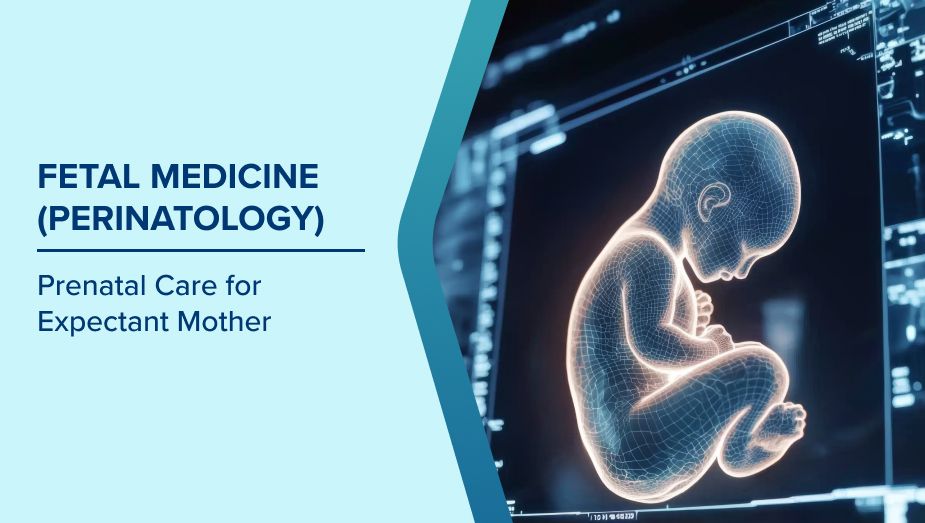
Fetal medicine is a specialised area of obstetrics that focuses on monitoring and supporting the growth and development of the baby before birth. It involves advanced scans, screening tests, and expert evaluations that not only detect potential problems but can, in some cases, also help in planning treatment before delivery. Interestingly, many of these assessments are already part of standard prenatal check-ups, though expectant mothers may not always recognise them as part of fetal medicine.
Why Every Mother Can Benefit from Fetal Medicine
Even in pregnancies without obvious complications, silent issues such as restricted growth, placental concerns, or congenital conditions can sometimes arise. Early detection through fetal medicine helps doctors act quickly by recommending closer monitoring or designing a personalised care plan.
Equally important, these assessments also provide reassurance. Clear scan reports and normal test results can give parents peace of mind, helping them feel more secure and prepared as they move through their pregnancy journey.
What to Expect in Each Trimester
First Trimester (up to 13 weeks)
Early scans confirm that the pregnancy is progressing as expected, detect the baby’s heartbeat, and provide an estimated due date. The Nuchal Translucency (NT) scan, often paired with blood tests, helps assess the baby’s risk for chromosomal conditions such as Down syndrome.
Second Trimester (18–22 weeks)
This stage includes the detailed anomaly scan, which examines the baby’s organs, limbs, spine, and overall development. Detecting structural issues at this stage gives doctors and parents enough time for further evaluation or planning.
Third Trimester (28 weeks onward)
Growth scans and Doppler studies check the baby’s size, blood flow, and the placenta’s health. These assessments are key for spotting complications such as Intrauterine Growth Restriction (IUGR), enabling timely decisions on enhanced monitoring or planning the delivery.
Collaborative and Comprehensive Care
Modern hospitals often have dedicated fetal medicine units, where specialists work alongside obstetricians, radiologists, and neonatologists. This team approach ensures that expectant mothers receive well-coordinated care, whether for a routine scan or more complex concerns.
Conclusion
Fetal medicine is not reserved for high-risk pregnancies. It empowers mothers with timely information, early preventive measures, and much-needed peace of mind. Every pregnancy deserves this level of care, because the health of both mother and baby matters from day one.
Related Blogs

Dr. Vivek Saxena In Radiology , Interventional Radiology
Nov 07 , 2020 | 1 min read

Dr. Vivek Saxena In Radiology , Interventional Radiology
Nov 07 , 2020 | 2 min read
Most read Blogs


Related Blogs
Dr. Vivek Saxena In Radiology , Interventional Radiology
Nov 07 , 2020 | 1 min read
Dr. Vivek Saxena In Radiology , Interventional Radiology
Nov 07 , 2020 | 2 min read
Most read Blogs