 WhatsApp Us (24/7)
 +91 926 888 0303 (24/7)


To Book an Appointment
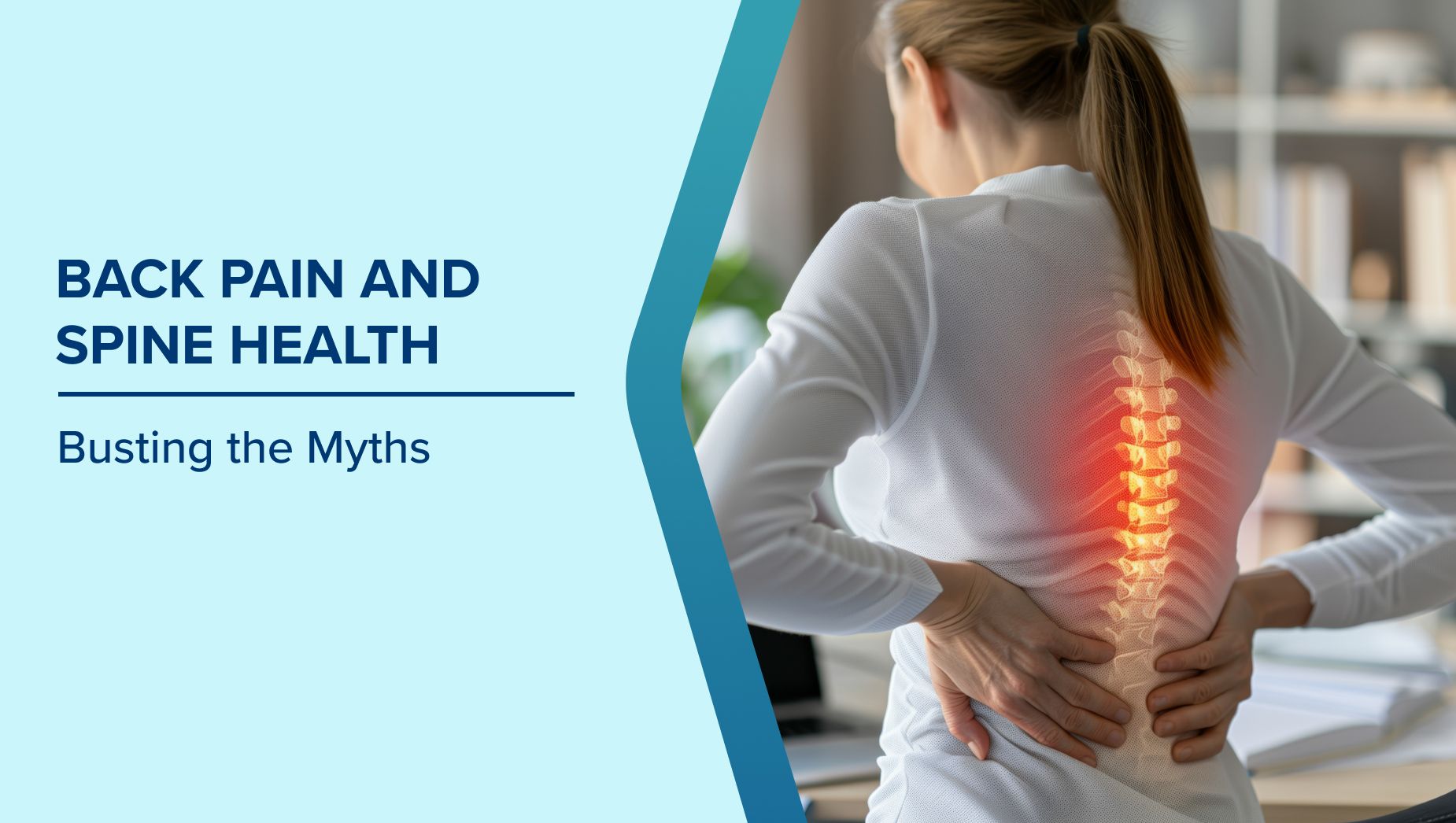
Call Us+91 926 888 0303Back Pain and Spine Health: Busting the Myths
By Dr. Ashish Gupta in Neurosurgery , Spine Surgery
Nov 02 , 2025 | 7 min read

Back pain is one of the most common reasons people visit a doctor, yet it remains one of the most misunderstood health issues. Many myths about spine health continue to circulate, from beliefs that rest is always the best remedy to fears that all back pain requires surgery. These misconceptions not only cause unnecessary anxiety but also prevent people from seeking timely, appropriate care.
In reality, most back problems can be effectively controlled with a healthy lifestyle, regular movement, and proper medical care. Learning the facts instead of believing common myths helps you keep your spine strong, stay flexible, and lower your risk of long-term discomfort.
Understanding Back Pain: The Foundation of Spine Health
The spine is a strong, flexible structure made up of bones, joints, muscles, and ligaments that work together to support the body’s movement and posture. When any of these components are strained or injured, back pain can develop.
Back pain can vary from mild discomfort to severe, disabling pain that affects daily life. It may result from muscle strain, poor posture, disc problems, arthritis, or even stress. However, it’s important to remember that back pain is a symptom, not a disease, and it often signals an imbalance in how you move, sit, or live.
Myth 1: Back Pain Only Affects Older People
One of the biggest misconceptions is that back pain is a problem of ageing. While it’s true that wear and tear on the spine increases over time, back pain affects people of all ages, including teenagers and young adults.
Modern lifestyles, long hours of sitting, lack of exercise, and poor posture while using digital devices have led to a surge in back issues among younger individuals. The rise in sedentary habits means even people in their 20s and 30s are experiencing back stiffness and muscle strain, once considered uncommon at those ages.
The truth: Anyone can develop back pain, and age is just one of many contributing factors. Maintaining an active lifestyle and proper posture from a young age helps preserve spine health in the long run.
Myth 2: Bed Rest Is the Best Cure for Back Pain
For years, people believed that resting in bed for days could heal back pain. In reality, prolonged bed rest can make discomfort worse by weakening the muscles that support the spine.
While short-term rest may be necessary during severe pain, staying immobile for long periods leads to stiffness, muscle loss, and slower recovery. Doctors now recommend gentle movement, stretching, and gradual return to normal activity to help relieve back discomfort and restore function.
The truth: Controlled movement and physical therapy are far more effective than extended bed rest for managing most types of back pain.
Myth 3: Back Pain Always Means a Slipped Disc
A slipped or herniated disc is just one of many causes of back pain, but it’s far less common than people think. Muscle strain, ligament sprain, joint inflammation, or posture-related issues are much more frequent culprits.
When a disc problem does occur, it may cause radiating pain, numbness, or tingling down the leg, symptoms of nerve compression. However, most cases of back pain are not linked to disc herniation, and imaging often reveals normal, age-related changes that are not necessarily the source of pain.
The truth: A slipped disc is not the only reason for back pain, and most people with back discomfort do not have one. Proper diagnosis through a physical examination and, if needed, imaging is essential before assuming the cause.
Myth 4: Heavy Lifting Is Always Bad for the Back
It’s not the act of lifting that causes injury; it’s how you lift. Poor lifting techniques, sudden jerks, or twisting the spine while carrying weight can strain the back muscles or damage the discs.
Proper technique, like bending at the knees, keeping the back straight, and holding the object close to the body, can help protect your spine. In fact, strength training and core exercises can improve back stability, making you less prone to injury during physical activities.
The truth: Lifting safely and maintaining strong core muscles protect the spine. The danger lies in incorrect posture, not the activity itself.
Myth 5: If You Have Back Pain, You Should Avoid Exercise
Another widespread myth is that physical activity worsens back pain. On the contrary, staying active helps the spine heal and stay healthy. Gentle exercises like swimming, walking, yoga, or pilates improve flexibility, strengthen supporting muscles, and promote blood flow to spinal tissues.
Avoiding movement for fear of pain can actually prolong recovery. The key is to engage in low-impact, controlled exercise guided by a physiotherapist or healthcare provider to prevent further strain.
The truth: Regular movement and strengthening exercises are essential for long-term spine health and back pain prevention.
Myth 6: Surgery Is the Only Option for Chronic Back Pain
While surgical interventions can help in certain severe cases, most back pain does not require surgery. Non-surgical options, such as medication, physical therapy, ergonomic correction, and lifestyle changes, can effectively relieve discomfort in the majority of patients.
Surgery is usually reserved for specific conditions like persistent nerve compression, spinal instability, or severe disc herniation that does not respond to conservative treatment.
The truth: Only a small percentage of back pain cases need surgery. Early medical guidance can prevent the condition from worsening and help you recover without invasive procedures.
Myth 7: Poor Posture Doesn’t Cause Serious Problems
Many people overlook how harmful poor posture can be in the long run. Constant slouching at a desk or bending over a mobile device puts continuous pressure on the spine. Over time, this repeated strain can cause stiffness, persistent back pain, and even wear down the spinal discs, leading to lasting discomfort and mobility issues.
Good posture, both sitting and standing, keeps the spine’s natural curves intact, distributing weight evenly and reducing strain on muscles and ligaments.
The truth: Correct posture is one of the easiest yet most effective ways to prevent back pain and support long-term spine health.
Understanding the Real Causes of Back Pain
Not all back pain originates from physical injury. Emotional stress, lack of sleep, and even dehydration can contribute to muscle tension and discomfort.
Additionally, conditions such as arthritis, spinal stenosis, or osteoporosis may play a role. Identifying the underlying cause with a healthcare provider is important for developing a personalised treatment plan.
How to Maintain a Healthy Spine
- Maintain a healthy weight: Excess weight, especially around the abdomen, adds pressure on the lower spine.
- Stay active: Engage in regular exercise to strengthen your core and improve flexibility.
- Adopt good posture: Keep your shoulders back, chin up, and back straight when sitting or standing.
- Sleep smart: Choose a supportive mattress and sleep on your side or back, avoiding positions that twist the spine.
- Lift properly: Use your legs, not your back, to lift objects safely.
- Take breaks from sitting: Stand, stretch, and walk every hour to reduce pressure on spinal discs.
When to See a Doctor
While occasional back pain may not be a cause for concern, you should seek medical advice if you experience:
- Pain that lasts more than a few weeks
- Numbness or tingling in the legs
- Difficulty walking or standing
- Pain that radiates down the leg
- Loss of bladder or bowel control
Early diagnosis can help prevent chronic problems and protect your spinal health.
Conclusion
Back pain is not an inevitable part of ageing, nor is it something to ignore or fear. Most causes are manageable with awareness, posture correction, and healthy lifestyle habits.
By understanding the truth behind common myths, you can take proactive steps to strengthen your spine, reduce discomfort, and maintain a pain-free, active life. Remember, your spine supports you every day; taking care of it should be a lifelong priority.
Frequently Asked Questions
How can I tell if my back pain is serious?
If your pain is persistent, severe, or accompanied by numbness, weakness, or difficulty walking, consult a doctor. Persistent pain may indicate nerve compression or another underlying issue that requires medical evaluation.
Can stress cause back pain?
Yes, emotional tension can tighten muscles in the neck and back, leading to stiffness and discomfort. Relaxation techniques, regular exercise, and adequate rest can help manage stress-related back pain.
Does sitting on a soft couch harm your back?
Prolonged sitting on overly soft furniture can strain the spine by reducing support and altering posture. Opt for firm seating that maintains natural spinal alignment and get up regularly to stretch.
Are back braces helpful for chronic pain?
Back braces can offer temporary relief and support, but they should not replace exercise or posture correction. Over-reliance can weaken muscles over time, so use them only as advised by a doctor.
How can I strengthen my back naturally?
Incorporate core exercises, stretching, swimming, or yoga into your routine. Maintaining a well-balanced diet and staying hydrated also supports muscle and joint health, promoting a stronger spine.
Written and Verified by:

Related Blogs

Dr. Sanjeev Kumar Gupta In Neurosurgery , Neurosciences
Jun 30 , 2016 | 2 min read

Dr. Sonal Gupta In Neurosurgery , Neurosciences
Jul 20 , 2016 | 2 min read
Blogs by Doctor
Brain Tumor: Types, Risk Factors, Symptoms, and Treatment
Dr. Ashish Gupta In Neurosurgery
Jun 17 , 2024 | 2 min read
Most read Blogs


Related Blogs
Dr. Sanjeev Kumar Gupta In Neurosurgery , Neurosciences
Jun 30 , 2016 | 2 min read
Dr. Sonal Gupta In Neurosurgery , Neurosciences
Jul 20 , 2016 | 2 min read
Blogs by Doctor
Brain Tumor: Types, Risk Factors, Symptoms, and Treatment
Dr. Ashish Gupta In Neurosurgery
Jun 17 , 2024 | 2 min read
Most read Blogs