 WhatsApp Us (24/7)
 +91 926 888 0303 (24/7)


To Book an Appointment
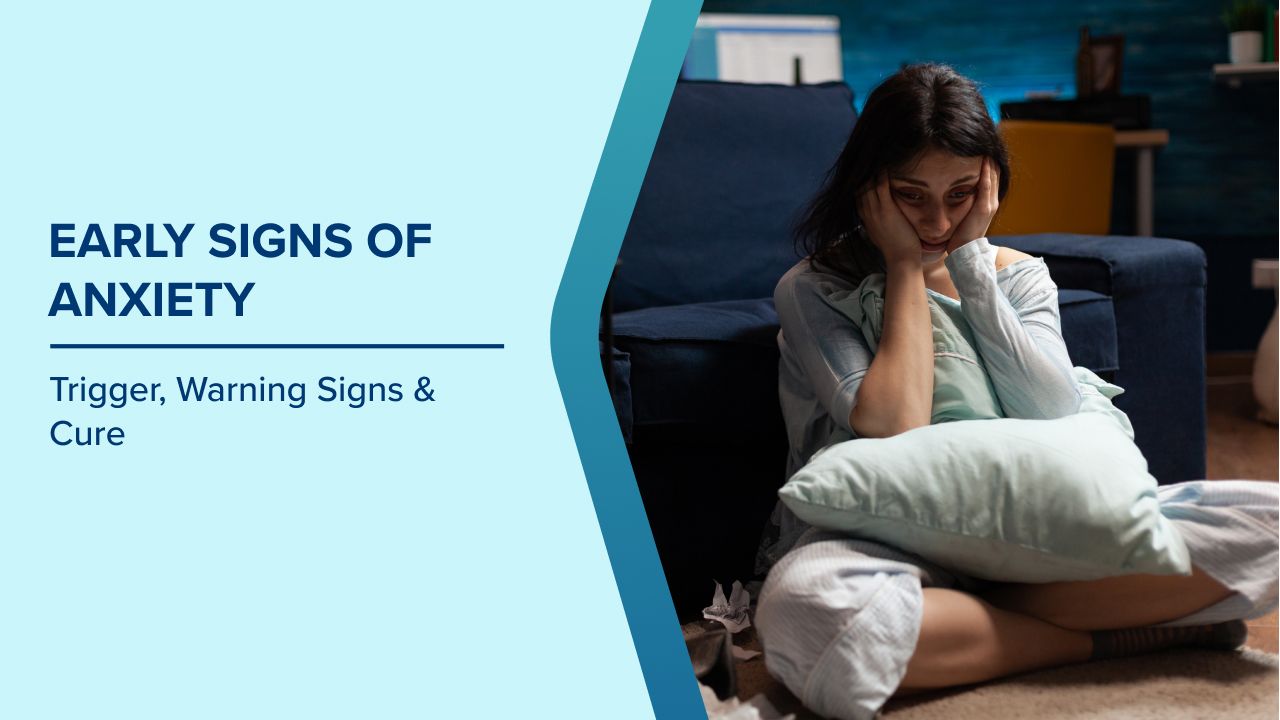
Call Us+91 926 888 0303Early Signs of Anxiety: Trigger, Warning Signs & Cure
By Dr. Shruti Sharma in Mental Health And Behavioural Sciences , Psychiatry
Apr 30 , 2026 | 2 min read

Anxiety is more than just everyday stress, it is a persistent feeling of worry or fear that can affect your thoughts, body, and daily life. The early signs of anxiety are often subtle and easy to overlook, such as restlessness, fatigue, or sleep problems. Recognising these anxiety symptoms early can prevent them from developing into a more serious anxiety disorder. Understanding the warning signs and knowing when to seek help can make a meaningful difference in your mental and emotional well-being.
What Is Anxiety?
Anxiety is a natural response to stress, helping you stay alert in challenging situations. However, when this feeling becomes constant or overwhelming, it may no longer be helpful.
Stress vs Anxiety
Stress is usually temporary and linked to a clear cause, such as work pressure or exams. Anxiety, on the other hand, often continues even when the situation has passed or when no clear trigger exists.
If these feelings persist and start affecting your daily routine, relationships, or health, it may be a sign of something more serious.
Read More: Anxiety Disorder: Defeating the Invisible Enemy
Why Early Signs of Anxiety Are Often Ignored
Many people miss early anxiety warning signs because they appear gradually and feel manageable at first. Common reasons include:
● Symptoms are mistaken for normal stress or tiredness
● People get used to feeling constantly worried
● Mental health stigma prevents open discussion
As a result, anxiety can quietly build up over time before it becomes noticeable.
Early Emotional Signs of Anxiety
The emotional symptoms of anxiety often appear first and may be confused with personality changes or mood swings. Watch for:
● Excessive worry about everyday situations
● Irritability or feeling easily frustrated
● Restlessness or inability to relax
● Feeling overwhelmed by small tasks
● Persistent sense of unease or fear
● Difficulty controlling negative thoughts
These emotional patterns are important when learning how to identify anxiety early.
Early Physical Symptoms of Anxiety
Anxiety affects the body as much as the mind. The physical symptoms of anxiety are often overlooked or mistaken for other health problems. Common signs include:
● Rapid heartbeat or palpitations
● Sweating without a clear reason
● Ongoing fatigue even after rest
● Muscle tension, especially in the shoulders or neck
● Sleep disturbances, including insomnia
● Shortness of breath or chest tightness
● Digestive discomfort, such as nausea
Behavioural Signs You Should Watch For
Changes in behaviour can signal underlying anxiety, even if emotional or physical symptoms are not obvious. Look for:
● Avoiding social situations or responsibilities
● Difficulty concentrating or staying focused
● Procrastination due to fear or overthinking
● Changes in eating or sleeping habits
● Repeatedly checking or overanalysing situations
These behaviours often develop as coping mechanisms but can worsen anxiety over time.
Read More: How to Manage Stress and Anxiety: Tips for Daily Life
Common Causes and Triggers of Anxiety
Understanding anxiety causes can help you recognise patterns and respond early. Common triggers include:
● Work or academic pressure
● Financial concerns
● Relationship challenges
● Health-related worries
● Hormonal changes
● Major life transitions, such as moving or job changes
● Alcohol or substance use
Often, anxiety results from a combination of these factors rather than a single cause.
When to Seek Professional Help
Knowing when to seek help for anxiety is crucial for preventing it from worsening. Consider seeking support if:
● Symptoms last for 2–3 weeks or longer
● Anxiety interferes with work, studies, or relationships
● You experience panic attacks or sudden, intense fear
● You feel unable to control your thoughts or worries
● Physical symptoms become frequent or severe
Early professional help can provide clarity, coping strategies, and treatment if needed.
Why Early Intervention Matters
Addressing anxiety early can significantly improve your quality of life. Benefits include:
● Preventing progression into a more severe anxiety disorder
● Reducing physical and emotional strain
● Improving focus, sleep, and relationships
● Increasing the effectiveness of treatment
Ignoring symptoms may allow them to intensify over time.
Practical Ways to Manage Early Anxiety
Managing anxiety early involves realistic and consistent steps.
Lifestyle Adjustments
● Maintain a regular sleep routine
● Limit caffeine and screen time
● Stay physically active
● Avoid alcohol and substance use
Stress Management Techniques
● Practice deep breathing or relaxation exercises
● Break tasks into smaller, manageable steps
● Set realistic expectations for yourself
● Practice time management to reduce daily stress
Professional Support
● Talk to a therapist or counsellor
● Seek medical advice if symptoms persist
● Share your concerns with someone you trust
● Seek assessment by a psychiatrist if symptoms persist
Small changes can have a meaningful impact when practised regularly.
Conclusion
The early signs of anxiety are often subtle but important to recognise. Emotional, physical, and behavioural changes can signal that something is not right. The good news is that anxiety is highly manageable, especially when identified early. Seeking help, making lifestyle adjustments, and understanding your triggers can prevent symptoms from worsening. Paying attention to these early warning signs can help you take control of your mental health and maintain a more balanced and healthy life.
Frequently Asked Questions
Can anxiety go away on its own?
Mild anxiety may improve with lifestyle changes, but ongoing symptoms often require support or treatment.
Is anxiety a mental illness or a normal condition?
Anxiety is a normal emotion, but it becomes a disorder when it is excessive and interferes with daily life.
How do I know if my anxiety is serious?
If it affects your sleep, work, or relationships, or persists for weeks, it may require professional attention.
Can anxiety cause physical health problems?
Yes, long-term anxiety can contribute to headaches, digestive issues, and increased heart rate.
What is the difference between anxiety and panic attacks?
Anxiety is ongoing worry, while panic attacks are sudden episodes of intense fear with strong physical symptoms.
Can lack of sleep trigger anxiety?
Yes, poor sleep can worsen anxiety and make it harder to manage stress effectively.
Written and Verified by:

Related Blogs

Dr. Prashant Gupta In Mental Health And Behavioural Sciences , Psychiatry
Nov 08 , 2020 | 5 min read

Blogs by Doctor
How to Manage Stress and Anxiety: Tips for Daily Life
Dr. Shruti Sharma In Mental Health And Behavioural Sciences , Psychiatry
Oct 09 , 2023 | 2 min read
Most read Blogs


Related Blogs
Dr. Prashant Gupta In Mental Health And Behavioural Sciences , Psychiatry
Nov 08 , 2020 | 5 min read
Blogs by Doctor
How to Manage Stress and Anxiety: Tips for Daily Life
Dr. Shruti Sharma In Mental Health And Behavioural Sciences , Psychiatry
Oct 09 , 2023 | 2 min read
Most read Blogs