 WhatsApp Us (24/7)
 +91 926 888 0303 (24/7)


To Book an Appointment
Call Us+91 926 888 0303Anti-HCV Test: Price, Normal Range & Results
By Medical Expert Team
Jan 06 , 2026 | 4 min read
5

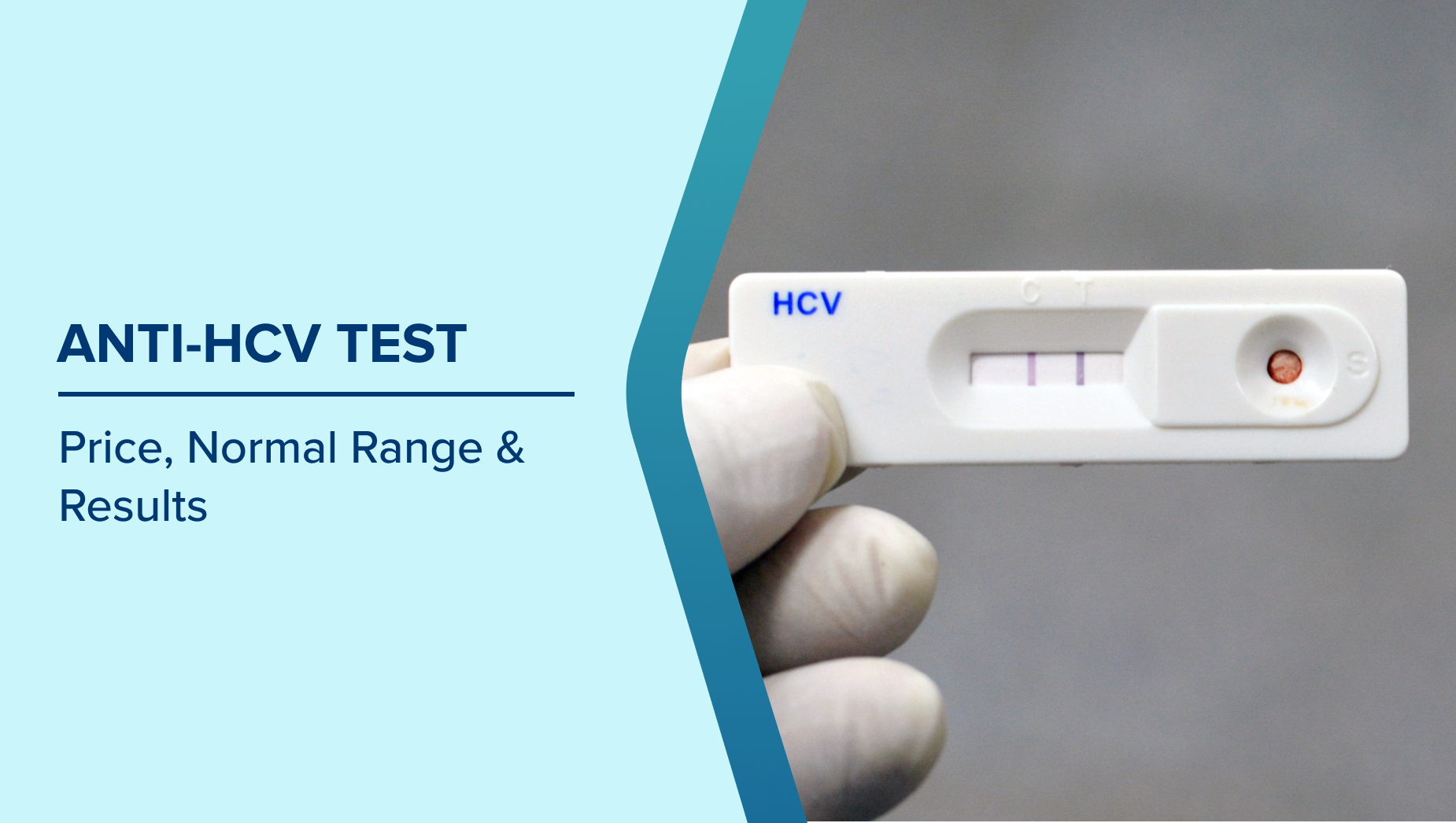
The Anti-HCV test, also known as the Hepatitis C Virus Antibody Test, is an important blood test that detects antibodies against the Hepatitis C virus (HCV) in your bloodstream. Hepatitis C is a liver infection that can lead to serious health complications if left untreated. Early detection through this test is vital for effective treatment and preventing liver damage.It helps find out if you've ever been exposed to the virus. A positive result doesn’t always mean an active infection—you may have cleared the virus naturally or need follow-up tests to confirm.
What Does the Anti-HCV Test Detect?
- HCV Antibodies: These are proteins your immune system makes to fight off Hepatitis C.
- A positive test means you’ve been exposed to the virus at some point.
- It does not detect the virus directly—you'll need an HCV RNA test to check for an ongoing infection.
Normal Range of the Anti-HCV Test
Here’s how the results are generally interpreted:
|
Test |
Normal Range |
|
Fasting C-Peptide Levels |
0.5 – 2.0 ng/mL |
|
Postprandial C-Peptide Levels |
1.0 – 3.0 ng/mL |
If you test positive, further testing like HCV RNA is needed to confirm whether the virus is active.
Anti-HCV Test Price in India
At Max Hospital, we offer a comprehensive and affordable Anti-HCV test using advanced diagnostic technology. Our labs ensure accurate and timely results for both domestic and international patients.Max Hospital provides end-to-end testing services for both domestic and international patients, including pre- and post-test counseling. For exact pricing, please check with Max Hospital or your nearest diagnostic center.
What Conditions Can the Anti-HCV Test Help Detect?
While the primary purpose is to detect Hepatitis C, this test also plays a role in:
- Detects silent infections: The test can find hepatitis C in people who have no symptoms, helping early detection.
- Identifies chronic liver infections: It helps diagnose long-term infections that may damage the liver and lead to cirrhosis or liver cancer.
- Used before surgeries: Doctors may recommend this test before any surgery to avoid infection-related complications.
- Screens blood donors: Ensures donated blood is safe and free from HCV infection.
- Monitors high-risk groups: People with higher chances of exposure—like healthcare workers, dialysis patients, or IV drug users—are regularly tested for safety and early treatment.
Anti-HCV Test Results: What Do They Mean?
- Non-Reactive (Negative): No HCV antibodies detected. However, if recent exposure is suspected, retesting may be recommended after a few months.
- Reactive (Positive): HCV antibodies are present. This indicates past exposure but doesn't confirm an active infection. An HCV RNA test is needed to check for current infection.
Composition and Ingredients of an Anti-HCV Test
The Anti-HCV test analyzes your blood sample to detect:
HCV Antibodies: Proteins produced by the immune system in response to HCV infection.
Uses of Anti-HCV Test
- Screening for Hepatitis C
This test is used to check if someone has Hepatitis C, especially if they have risk factors like a history of blood transfusion, unsafe injections, or IV drug use. - Confirming Suspected HCV Infection
If someone has symptoms like tiredness, yellowing of the eyes (jaundice), or stomach pain, the test helps confirm if Hepatitis C is the cause. - Pre-Surgical Evaluation
Before surgery, doctors use this test to make sure the patient doesn’t have Hepatitis C, keeping both the patient and medical team safe. - Routine Health Check-Ups
It’s sometimes included in full body check-ups to catch any hidden liver infections early, even if you feel fine.
Side Effects and Risks of an Anti-HCV Test
The Anti-HCV test is a simple blood test with minimal risks. Some individuals might experience:
- Mild Pain or Bruising: At the needle insertion site.
- Dizziness or Lightheadedness: Rare and usually temporary.
These side effects are generally short-lived and resolve without intervention.
Book Your Anti-HCV Test Today at Max Hospital
Don’t wait for symptoms to appear — early detection saves lives. Max Hospital offers accurate and affordable Anti-HCV testing with fast results and complete privacy. Whether you're planning a surgery, doing a routine check-up, or part of a high-risk group, this test is a must.
Schedule your Anti-HCV test now at Max Hospital and take a confident step toward better health.
FAQs
Can the Anti-HCV test be done at home?
Yes, some diagnostic centers offer home sample collection for the Anti-HCV test. Contact Max Hospital or your nearest lab for home testing options.
Is the Anti-HCV test done before surgery?
Yes, pre-surgical evaluations often include the Anti-HCV test to assess liver health and prevent potential complications during and after surgery.
What should I do if my Anti-HCV test is positive?
A positive result indicates exposure to HCV. Consult a healthcare provider for further testing, such as the HCV RNA test, to determine if the infection is current and to discuss treatment options.
How is Hepatitis C transmitted?
Hepatitis C is primarily spread through blood-to-blood contact, such as sharing needles, receiving contaminated blood products, or, less commonly, through unprotected sex.
Can Hepatitis C be cured?
Yes, with appropriate antiviral treatment, Hepatitis C can often be cured. Early detection through testing is crucial for successful treatment outcomes.
Who should get tested for Hepatitis C?
Individuals with risk factors like a history of intravenous drug use, those who received blood transfusions before 1992, healthcare workers exposed to blood, and people with HIV should consider testing.
How often should I get tested for Hepatitis C?
If you have ongoing risk factors, regular testing as advised by your healthcare provider is recommended. Otherwise, a one-time test may be sufficient.
Related Blogs


Dr. Vandana Boobna In Internal Medicine
Nov 08 , 2020 | 2 min read
Blogs by Doctor

Common Autoimmune Diseases: Symptoms, Causes, Diagnosis, and Treatment
Dr. Nitin Rameshrao Shinde In Internal Medicine
Sep 06 , 2024 | 14 min read

Bilirubin Test: Normal Range, Liver Function & Diagnosis
Dr. Nitin Rameshrao Shinde In Internal Medicine
Apr 22 , 2025 | 4 min read
Most read Blogs


Related Blogs
Dr. Vandana Boobna In Internal Medicine
Nov 08 , 2020 | 2 min read
Blogs by Doctor
Common Autoimmune Diseases: Symptoms, Causes, Diagnosis, and Treatment
Dr. Nitin Rameshrao Shinde In Internal Medicine
Sep 06 , 2024 | 14 min read
Bilirubin Test: Normal Range, Liver Function & Diagnosis
Dr. Nitin Rameshrao Shinde In Internal Medicine
Apr 22 , 2025 | 4 min read
Most read Blogs