 WhatsApp Us (24/7)
 +91 926 888 0303 (24/7)


To Book an Appointment
Call Us+91 926 888 0303Anaphylaxis Explained: Causes, Symptoms, and Treatment
By Dr. Ravi Kant Behl in Internal Medicine
Aug 18 , 2025 | 13 min read
1

Anaphylaxis is a severe allergic reaction that can occur suddenly and progress rapidly, often becoming life-threatening within minutes. It is triggered when the immune system overreacts to certain foods, insect stings, medications, or other allergens. This overreaction can lead to various symptoms including breathing difficulty, a drop in blood pressure, and even loss of consciousness, making it a medical emergency that requires immediate attention. For individuals living with allergies, or for their loved ones, being aware of this condition is crucial. To help you stay informed and prepared, this blog will cover everything you need to know about anaphylaxis, including its causes and symptoms, and steps to be taken during an emergency. Let us start by understanding the condition in detail.
What is Anaphylaxis?
Anaphylaxis is a severe allergic reaction that can affect several parts of the body at the same time and often develops within minutes of coming into contact with a trigger. It is much more serious than a typical allergic reaction, which might only cause mild itching, rash, or sneezing. In anaphylaxis, the body’s immune system overreacts and releases chemicals that cause blood vessels to widen and leak fluid. This can result in a sudden drop in blood pressure, swelling of the airways, and difficulty breathing.
The reaction may also affect the digestive system and central nervous system, leading to symptoms such as vomiting, abdominal pain, dizziness, or even confusion. Because the condition progresses quickly and can become life-threatening in a short time, immediate medical attention is critical.
What are the Stages of Anaphylaxis?
Anaphylaxis often develops rapidly and may involve several phases as symptoms progress. Although the severity, speed, and combination of symptoms can vary from person to person, many cases follow a general pattern. The 4 stages of anaphylaxis include:
Mild Reaction
In the early phase, symptoms may affect only the skin or mucous membranes. These include itching, redness, flushing, and hives. Swelling may appear around the lips, eyes, or face. Some individuals may experience a tingling sensation in the mouth, sneezing, or mild nasal congestion. There may also be a general feeling of discomfort or anxiety. Although these symptoms seem manageable, they should be taken seriously, as they may quickly progress if not addressed.
Moderate Reaction
At this stage, symptoms begin to involve other parts of the body, especially the respiratory and digestive systems. Breathing may become noisy or laboured due to swelling in the throat or narrowing of the airways. There may be wheezing, coughing, or a sensation of tightness in the chest. Some individuals may experience nausea, vomiting, diarrhoea, or abdominal cramps. Dizziness, restlessness, or a feeling of faintness may also occur due to a drop in blood pressure. This stage requires urgent medical attention, even if symptoms do not appear to be worsening.
Severe Reaction
In a severe reaction, multiple systems are affected at once, and the situation can deteriorate rapidly. Breathing may become extremely difficult or stop altogether due to severe airway swelling. Blood pressure may drop sharply, leading to shock, confusion, pale or bluish skin, and loss of consciousness. The heart may beat irregularly or stop in the most serious cases. Immediate emergency treatment, including the use of adrenaline (epinephrine), is critical to prevent long-term complications or death.
Biphasic Reaction (in some cases)
Some individuals may experience a second wave of symptoms several hours after the first, even without further exposure to the allergen. This is known as a biphasic reaction. It may be mild or as serious as the initial reaction. Because of this possibility, medical observation for several hours after treatment is often advised, even if the person appears to have fully recovered.
What Causes Anaphylaxis?
Anaphylaxis can be triggered by a wide range of allergens. In most cases, the immune system reacts strongly to substances that are otherwise harmless for most people. Common triggers include:
- Foods: Food-related anaphylaxis is one of the most frequent types, especially in children. Common food triggers include peanuts, tree nuts (such as almonds, walnuts, and cashews), shellfish, fish, milk, eggs, wheat, and soy. In some cases, even trace amounts of these allergens can be enough to trigger a reaction.
- Medications: Several medicines can lead to anaphylaxis in susceptible individuals. These include antibiotics such as penicillin, aspirin and other non-steroidal anti-inflammatory drugs (NSAIDs), certain chemotherapy drugs, and contrast dyes used in imaging studies. Reactions may occur even with drugs that were previously well tolerated.
- Insect Stings and Bites: Stings from bees, wasps, hornets, or fire ants are well-known causes of anaphylaxis, particularly in those who have had prior allergic reactions to insect venom. In some regions, bites from specific insects such as certain ants or ticks may also trigger severe reactions.
- Latex: Natural rubber latex, found in items such as gloves, balloons, medical equipment, and elastic materials, can cause anaphylaxis in people with latex sensitivity. The risk may be higher among individuals with repeated exposure, such as healthcare workers or those with certain medical conditions
- Exercise (Exercise-Induced Anaphylaxis): In rare cases, physical activity can trigger anaphylaxis. This may occur on its own or be associated with other factors such as recent food intake or use of certain medications before exercise.
- Temperature Extremes or Environmental Factors: Very hot or cold temperatures, sudden changes in weather, or high humidity have been reported as contributing factors in some rare forms of anaphylaxis. These typically affect individuals with other underlying sensitivities.
- Alcohol and Food Preservatives: Some people may react to alcohol itself or to sulphites and other preservatives used in processed foods, dried fruits, wines, or packaged goods.
- Vaccines and Biological Agents: Although rare, anaphylactic reactions can occur after certain vaccines or biological agents used in medical treatment, especially in individuals with pre-existing allergies to components within the formulation.
- Idiopathic Anaphylaxis: In some cases, no specific allergen can be identified despite thorough testing. This is referred to as idiopathic anaphylaxis. These reactions can still be severe and require the same level of preparedness and care.
What Symptoms are Associated with Anaphylaxis?
Anaphylaxis symptoms usually appear within minutes of exposure to an allergen but can also develop more gradually in some cases. The reaction tends to affect multiple organ systems at once, and the symptoms may escalate quickly, making early recognition crucial.
Skin and Mucosal Symptoms
Skin-related symptoms are among the first to appear in many cases of anaphylaxis. These may include:
- Widespread itching
- Red or flushed skin
- Raised hives or welts (urticaria), often itchy
- Swelling around the eyes, lips, face, hands, or feet
- Swelling of the tongue or throat, which may make swallowing or speaking difficult
Respiratory Symptoms
Anaphylaxis often leads to airway narrowing and breathing difficulties, causing a range of symptoms such as:
- Shortness of breath or rapid, shallow breathing
- Tightness in the chest or throat
- Wheezing, similar to an asthma attack
- Persistent coughing
- Hoarseness or a change in voice
- Difficulty speaking clearly due to throat swelling
- Stridor (a high-pitched sound when breathing in), especially in children
Gastrointestinal Symptoms
The digestive system can also be affected, especially in food-related anaphylaxis. Symptoms may include:
- Nausea
- Abdominal cramping or pain
- Vomiting
- Loose stools or diarrhoea
Cardiovascular Symptoms
Circulatory collapse can develop rapidly if the reaction is severe. Some of the key signs include:
- Fast or weak pulse
- Palpitations
- Sudden drop in blood pressure (hypotension), which may cause fainting
- Pale, cold, or clammy skin
- Loss of consciousness in extreme cases
Neurological Symptoms
Reduced blood flow to the brain and general distress may lead to:
- Dizziness or feeling faint
- Confusion
- Disorientation
- A sudden feeling of intense fear or panic
- Collapse due to reduced oxygen supply
Anaphylaxis does not always follow a specific pattern, and not all symptoms may occur in every person.
What Steps Should Be Taken in an Anaphylactic Emergency?
Acting quickly during an anaphylactic reaction can save a life. The reaction may begin with mild signs but can escalate within minutes. Here are the steps to follow if someone is suspected to be experiencing anaphylaxis:
1. Administer Adrenaline Immediately
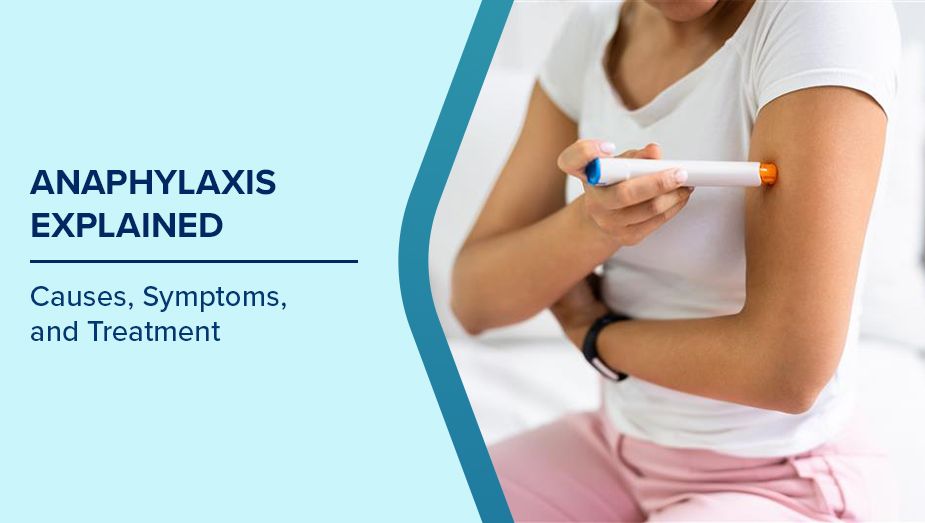
Use an adrenaline auto-injector (e.g., EpiPen) at the earliest sign of symptoms. Inject it into the outer thigh, through clothing if necessary. Adrenaline is the first and most effective treatment, it reduces airway swelling, improves blood pressure, and eases breathing. It should be given without delay, even if symptoms seem mild.
2. Call Emergency Services Right Away
After administering adrenaline, call emergency medical services. Inform them that it is a suspected anaphylactic reaction. Medical professionals need to assess the patient, provide further treatment if required, and monitor for delayed symptoms.
3. Position the Person Safely
Help the individual lie flat on their back with legs raised unless they are having difficulty breathing, in that case, allow them to sit up slightly. If they are vomiting or unconscious, roll them onto their side to prevent choking. Avoid standing or walking, as it can lead to sudden drops in blood pressure.
4. Give a Second Dose if Symptoms Persist
If there is no improvement in 5 to 15 minutes and another auto-injector is available, a second dose of adrenaline should be given in the opposite thigh. A delay in repeat dosing can result in worsening symptoms.
5. Monitor Breathing and Consciousness
Stay with the person and keep monitoring their breathing and responsiveness. If they stop breathing or become unresponsive, begin CPR if trained and continue until help arrives.
6. Avoid Giving Anything by Mouth
Do not offer food, drink, or medication by mouth during the episode. The person’s airway may be compromised, and swallowing could be dangerous.
7. Provide Medical Information to Responders
Share any known allergy details, recent food intake, or trigger exposure with emergency responders. If the person wears a medical alert bracelet or carries an allergy card, make sure it’s visible and accessible.
How is Anaphylaxis Treated in a Hospital?
Initial Assessment and Stabilisation
Upon arrival, the medical team quickly assesses the patient’s airway, breathing, and circulation. Vital signs are closely monitored, and a diagnosis is made based on clinical symptoms, exposure history, and response to any treatment already administered.
Administration of Adrenaline
Adrenaline (epinephrine) is the first-line treatment. If not already given, it is administered intramuscularly into the thigh. In critical cases, intravenous adrenaline may be used under strict monitoring in an intensive care setting.
Oxygen and Fluid Support
Oxygen therapy is often provided to ease breathing and maintain adequate oxygen levels. Intravenous fluids are given to address low blood pressure and reduce the risk of shock.
Additional Medications
To manage other symptoms, antihistamines may be given to relieve itching and skin rashes, while corticosteroids help reduce inflammation and lower the chance of a second wave of symptoms (biphasic reaction). Bronchodilators may be used if there is wheezing or bronchospasm.
Airway Management (If Needed)
In rare but severe cases where the airway is compromised, procedures like intubation or tracheostomy may be necessary to secure breathing.
Observation and Monitoring
The patient is kept under observation for several hours, up to 24 hours in severe cases, to monitor for delayed reactions or recurrence. Continuous monitoring allows for timely management of any further complications.
Finally, before discharge, patients are educated on avoiding known allergens, and using adrenaline auto-injectors. A referral to an allergy specialist is usually recommended for long-term care planning.
What are the Complications of Anaphylaxis?
Anaphylaxis can lead to serious, sometimes life-threatening complications, especially if there is any delay in treatment. These include:
- Breathing Difficulties: Swelling in the airways can cause severe shortness of breath or respiratory arrest. In some cases, the swelling may return hours later (biphasic reaction), making close monitoring essential even after initial recovery.
- Low Blood Pressure and Shock: Anaphylaxis may cause a sudden drop in blood pressure (anaphylactic shock), which can affect blood flow to vital organs. If not treated in time, it may lead to organ damage.
- Cardiac Complications: The heart may be affected, especially in individuals with pre-existing heart conditions. Irregular heartbeats or even cardiac arrest can occur during a severe reaction.
- Loss of Consciousness: A rapid drop in oxygen levels or blood pressure can lead to fainting or unconsciousness. In rare cases, prolonged lack of oxygen may result in brain injury.
- Gastrointestinal Complications: Severe allergic reactions may also affect the digestive system, leading to abdominal cramps, vomiting, or diarrhoea. Although not usually dangerous on their own, these symptoms may contribute to dehydration or shock.
- Delayed Reactions (Biphasic Anaphylaxis): In some cases, symptoms can return after several hours, even without further exposure to the allergen. This second wave may be as severe as the initial reaction, highlighting the need for extended observation after treatment.
- Emotional and Psychological Impact: Experiencing an anaphylactic episode can lead to anxiety, especially when the trigger is unknown. Many people become fearful of future reactions and may develop stress or panic around exposure risks.
Consult Today
Anaphylaxis can escalate quickly and leave little time to react, which is why knowing how to manage it and when to seek help is essential. If you or someone close has a known allergy, or has ever experienced a sudden, severe reaction, it is important to consult a trained allergist without delay. At Max Hospital, specialists in allergy and immunology can help identify potential triggers, explain how to use emergency medication correctly, and offer clear steps to minimise future risks. Do not wait and schedule an appointment with our specialist and take control over your allergy today.
Frequently Asked Questions
What is anaphylactic shock?
Anaphylactic shock is the most severe form of anaphylaxis. It occurs when the body's allergic reaction leads to a sudden drop in blood pressure and narrowing of the airways, which can make breathing difficult and reduce blood flow to vital organs. This is a life-threatening condition that needs immediate medical attention. Signs may include confusion, weak pulse, bluish skin or lips, chest tightness, or fainting. Without quick treatment, such as an adrenaline injection and emergency care, anaphylactic shock can be fatal.
What tests can diagnose anaphylaxis?
There is no single test that can confirm anaphylaxis while it is happening, as it is mainly diagnosed based on symptoms and medical history. However, certain tests may help identify the cause after the episode. These include blood tests such as serum tryptase, which is sometimes elevated after a severe allergic reaction. Allergy testing, such as skin prick tests or specific IgE blood tests, can also help identify the allergen responsible. These tests are usually done a few weeks after recovery and under the supervision of an allergist.
Can anaphylaxis occur without a known allergy?
Yes, anaphylaxis can happen even if a person has never had a diagnosed allergy before. In some cases, individuals may be exposed to an allergen for the first time and still develop a severe reaction. It can also occur due to hidden ingredients in food, medications taken in combination, or unknown triggers. In rare cases, the cause remains unidentified—this is known as idiopathic anaphylaxis. That’s why it’s important to treat any sudden severe reaction seriously, even without a known allergy history.
Is it possible to have a delayed anaphylactic reaction?
Yes, although most anaphylactic reactions happen within minutes of exposure to a trigger, delayed responses can sometimes occur. For example, a person might begin to show symptoms one to several hours later. This can happen with certain foods or medications. Additionally, a condition known as biphasic anaphylaxis can occur, where symptoms return hours after the initial reaction seems to have resolved—without any further exposure to the allergen. Close observation for several hours after initial treatment is often necessary to manage such cases.
Do antihistamines prevent anaphylaxis?
No, antihistamines alone cannot prevent or treat anaphylaxis. They may help relieve mild allergy symptoms like itching or hives, but they do not stop the life-threatening aspects of anaphylaxis such as airway swelling, drop in blood pressure, or shock. Epinephrine (adrenaline) is the first-line treatment and the only medication that can reverse the severe symptoms. Relying solely on antihistamines during a serious allergic reaction can delay proper treatment and increase the risk of complications.
Can children outgrow severe allergies linked to anaphylaxis?
Some children may outgrow certain food allergies, such as allergies to milk, egg, or wheat, especially if the reactions were mild. However, others, particularly peanut or tree nut allergies, may persist into adulthood. Even if a child appears to have outgrown an allergy, it is important to confirm this through appropriate testing and under medical supervision. Until then, precautions including carrying an epinephrine auto-injector should continue.
Is an epinephrine auto-injector safe to use without a confirmed allergy?
Yes, if someone is experiencing symptoms that strongly suggest anaphylaxis, using an epinephrine auto-injector is safe and recommended, even without a confirmed allergy diagnosis. The benefits of timely epinephrine administration far outweigh the risks in a suspected anaphylactic situation. Delaying treatment may lead to serious complications. It’s important to then follow up with medical care immediately, regardless of symptom improvement.
Written and Verified by:

Related Blogs


Dr. Vandana Boobna In Internal Medicine
Nov 08 , 2020 | 2 min read
Blogs by Doctor

HMPV Outbreak: What We Know So Far
Dr. Ravi Kant Behl In Internal Medicine
Jan 09 , 2025 | 9 min read
Most read Blogs


Related Blogs
Dr. Vandana Boobna In Internal Medicine
Nov 08 , 2020 | 2 min read
Blogs by Doctor
HMPV Outbreak: What We Know So Far
Dr. Ravi Kant Behl In Internal Medicine
Jan 09 , 2025 | 9 min read
Most read Blogs