 WhatsApp Us (24/7)
 +91 926 888 0303 (24/7)


To Book an Appointment
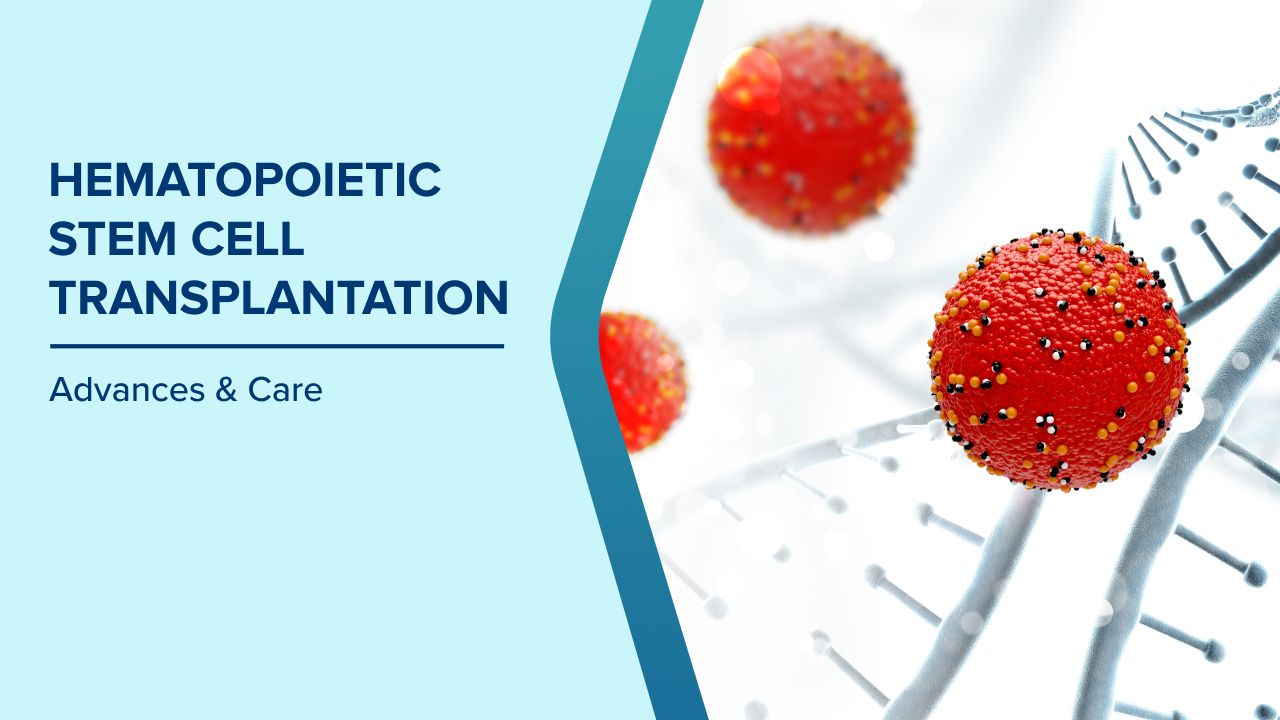
Call Us+91 926 888 0303Hematopoietic Stem Cell Transplantation: Advances & Care
By Dr Satyendra Katewa in Paediatric (Ped) Oncology , Bone Marrow Transplant , Hematology Oncology
Feb 06 , 2026

Hematopoietic stem cell transplantation has become one of the most important treatment options for several serious blood and immune disorders. Over the years, this field has seen steady progress, improving safety, widening eligibility, and offering better long-term outcomes for patients. What was once considered a high-risk procedure is now more refined, personalised, and accessible than before.
Understanding Hematopoietic Stem Cell Transplantation
Hematopoietic stem cell transplantation involves replacing damaged or diseased bone marrow with healthy stem cells. These stem cells are responsible for producing red blood cells, white blood cells, and platelets, which are essential for survival.
Transplants may be recommended for conditions such as blood cancers , bone marrow disorders, immune deficiencies, and certain genetic conditions. The procedure aims to restore healthy blood formation and immune function when other treatments are no longer effective.
Advances in this field focus not only on improving survival but also on enhancing recovery, reducing complications, and improving quality of life after transplant.
Improved Donor Matching and Availability
One of the most significant advances in hematopoietic stem cell transplantation is improved donor matching. Earlier, transplants were often limited to patients with closely matched family donors. Today, donor options have expanded considerably.
A better understanding of tissue compatibility allows safer transplants even when a perfect match is not available. This has made transplantation possible for more patients, including those without matched siblings.
Expanded donor registries and improved matching techniques have also reduced waiting times, which is critical for patients with aggressive or rapidly progressing conditions.
Advances in Conditioning Regimens
Conditioning refers to the treatment given before transplantation to prepare the body to receive new stem cells. Traditional conditioning was intense and often difficult for older or medically fragile patients to tolerate.
Modern approaches now allow conditioning to be tailored to individual health needs. Reduced intensity conditioning has made transplantation an option for patients who were previously considered unsuitable due to age or underlying conditions.
This shift has helped lower treatment-related complications while still supporting successful stem cell engraftment.
Read More:- Autologous Stem Cell Transplant for Multiple Sclerosis
Better Management of Transplant-Related Complications
Complications remain a concern in stem cell transplantation, but advances in supportive care have significantly improved patient safety.
Improved infection control, better monitoring, and earlier intervention have reduced the severity of complications that may occur during and after transplant. Patients are now monitored more closely for early signs of issues, enabling faster, more effective treatment.
This proactive approach has helped improve both short-term recovery and long-term outcomes.
Progress in Graft Versus Host Disease Control
Graft versus host disease occurs when donor immune cells attack the recipient’s tissues. It remains one of the most challenging aspects of allogeneic transplantation.
Advances in prevention and management strategies have reduced the frequency and severity of this condition. Improved immune modulation helps balance the beneficial effects of donor cells while minimising harm to healthy tissues.
Better control of graft versus host disease has allowed patients to recover with fewer long-term complications and improved quality of life.
Faster and More Reliable Engraftment
Engraftment is the process by which transplanted stem cells settle in the bone marrow and begin producing new blood cells. Faster engraftment reduces the risk of infection and bleeding.
Modern techniques have improved stem cell processing and delivery, leading to more reliable engraftment. This has shortened recovery periods and reduced hospital stays for many patients.
Reliable engraftment also supports earlier immune recovery, helping patients return to daily activities sooner.
Advances in Supportive Care and Recovery
Supportive care plays a crucial role in the success of stem cell transplantation. Advances in nutrition, pain management, and emotional support have transformed the recovery experience.
Patients now receive more personalized care plans that address physical strength, mental well-being, and lifestyle adjustments after transplant. This holistic approach recognises that recovery continues long after hospital discharge.
Expanding Use of Stem Cell Transplantation
With improved safety and outcomes, stem cell transplantation is now considered for a broader range of conditions. Advances have expanded its role beyond traditional blood cancers to include selected immune disorders and inherited conditions.
This broader application reflects growing confidence in transplant techniques and post-transplant care. As eligibility expands, more patients benefit from potentially life-changing treatment options.
Long-Term Monitoring and Survivorship Care
Another major advance is the focus on long-term follow-up and survivorship. Patients who undergo hematopoietic stem cell transplantation require ongoing monitoring to maintain health and detect late complications early.
Survivorship care now includes regular health assessments, guidance on lifestyle changes, and support for emotional well-being. This long-term approach helps patients not only survive but thrive after transplantation.
The Role of Personalised Treatment Planning
Personalisation has become central to modern stem cell transplantation. Treatment decisions are increasingly tailored based on the patient’s condition, overall health, age, and personal circumstances.
This individualised approach improves safety, supports better outcomes, and helps patients feel more involved in their care. Clear communication and shared decision-making are now recognised as essential parts of the transplant journey.
What These Advances Mean for Patients and Families
Advances in hematopoietic stem cell transplantation have changed how patients experience treatment. Procedures are safer, recovery is more manageable, and long-term outcomes continue to improve.
Families benefit from better education, clearer expectations, and more structured support systems. These advances reduce uncertainty and help patients approach transplantation with greater confidence.
Conclusion
Hematopoietic stem cell transplantation has evolved significantly over time. Advances in donor matching, conditioning methods, complication management, and supportive care have made the procedure safer and more accessible.
Today, transplantation is not only about survival but about long-term health and quality of life. With continued progress and personalised care, stem cell transplantation offers renewed hope for patients facing complex blood and immune disorders.
Frequently Asked Questions
How long does it take to feel normal after stem cell transplantation?
Recovery varies, but many patients gradually regain strength over several months. Full recovery can take a year or longer, depending on individual factors.
Can stem cell transplantation affect mental health?
Yes, emotional changes are common. Support from healthcare teams, family, and counselling services can be helpful during recovery.
Is stem cell transplantation only done once in a lifetime?
In most cases, it is performed once, but in rare situations, further treatment may be required based on disease response.
Are lifestyle changes needed after transplantation?
Patients are often advised to follow specific dietary, activity, and infection prevention guidelines during recovery.
Can patients return to work after stem cell transplantation?
Many patients do return to work, though timing depends on recovery speed, job demands, and overall health.
Written and Verified by:

Related Blogs

Dr. Ramandeep Singh Arora (Paed Onco) In Paediatric (Ped) Oncology , Cancer Care / Oncology
Oct 25 , 2016 | 2 min read

Dr. Ramandeep Singh Arora (Paed Onco) In Paediatric (Ped) Oncology , Cancer Care / Oncology
Sep 04 , 2017 | 3 min read
Blogs by Doctor

Most read Blogs


Related Blogs
Dr. Ramandeep Singh Arora (Paed Onco) In Paediatric (Ped) Oncology , Cancer Care / Oncology
Oct 25 , 2016 | 2 min read
Dr. Ramandeep Singh Arora (Paed Onco) In Paediatric (Ped) Oncology , Cancer Care / Oncology
Sep 04 , 2017 | 3 min read
Blogs by Doctor
Most read Blogs