 WhatsApp Us (24/7)
 +91 926 888 0303 (24/7)


To Book an Appointment
Call Us+91 926 888 0303Advancement in Kidney Transplant 2025: Surgery and Faster Recovery
By Dr. Shailesh Chandra Sahay in Urology , Kidney Transplant , Robotic Surgery
Jan 20 , 2026

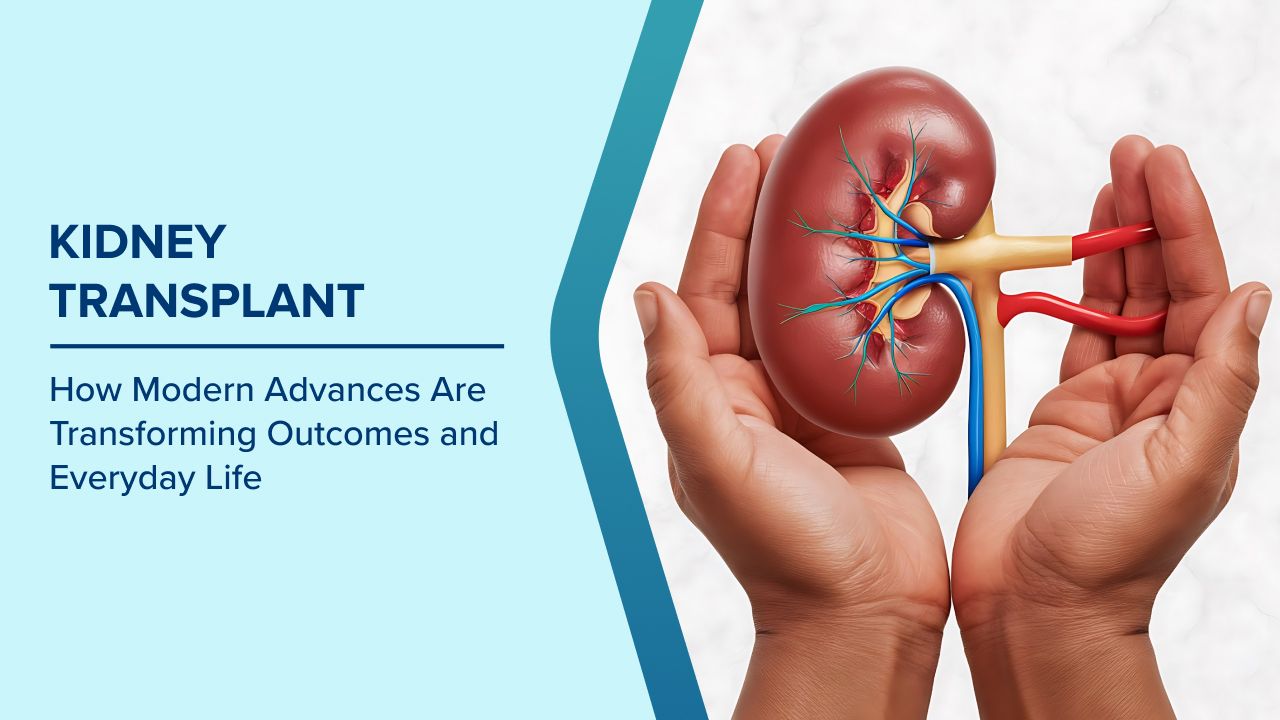
Kidney transplantation has always been a life-changing treatment for people with advanced kidney disease. In 2025, it is no longer just about replacing a failed kidney. It is about improving safety, extending life expectancy, protecting long-term health, and helping patients return to a fuller, more independent life.
How Kidney Transplant Evaluation Has Changed in 2025
In the past, transplant evaluation could feel long, confusing, and sometimes discouraging. Many patients were excluded early due to age, weight, heart conditions, or other medical conditions. In 2025, evaluation is more refined and personalized. Key changes include:
- Greater focus on overall functional health rather than age alone
- Better cardiac risk assessment using advanced imaging and non-invasive testing
- More accurate nutritional and muscle strength evaluations to predict recovery
- Individualised assessment for patients with diabetes, obesity, or prior heart disease
- Reduced unnecessary delays caused by repetitive or outdated testing
Instead of asking whether a patient fits a rigid checklist, transplant teams now focus on whether risks can be reduced and managed safely. This has enabled more people than ever before to become eligible for kidney transplants.
Smarter Donor Matching and Allocation Systems
One of the most meaningful kidney transplant advances in 2025 is how donors and recipients are matched. Data-driven allocation systems now improve fairness and outcomes.
- Better prediction of donor kidney lifespan
- Improved immune-risk based matching
- Reduced discard of usable donor kidneys
- Shorter waiting times for hard-to-match patients
- Fairer access across regions and age groups
For patients on the transplant waiting list, this means a higher chance of receiving a kidney that functions well and lasts longer.
ABO-Incompatible and Expanded Donor Options
Blood group mismatch was once a major barrier. In 2025, ABO-incompatible kidney transplant procedures have become safer and more standardised.
- Improved antibody removal before surgery
- Safer immunosuppression protocols
- Better rejection monitoring
- Clearer patient selection criteria
These advances allow patients with willing living donors to receive transplants sooner instead of waiting years.
Safer and More Personalised Immunosuppression
Immunosuppression remains essential after transplant. In 2025, medication strategies are increasingly individualised.
- Genetic and metabolic based drug dosing
- Lower medication exposure with strong rejection protection
- Early identification of patients eligible for dose reduction
- Improved side-effect monitoring
- Better balance between infection risk and rejection prevention
This results in fewer hospital admissions, better energy levels, and stronger long-term graft survival.
Role of Data and Artificial Intelligence
Artificial intelligence supports clinical decisions throughout the transplant journey.
- Predicting rejection risk
- Identifying high-risk follow-up patients
- Optimising immunosuppressive drug levels
- Detecting early graft injury
- Improving long-term survival planning
These tools help transplant teams act earlier and with greater precision.
Faster and More Predictable Recovery
Recovery in 2025 is quicker and more structured.
- Improved pain control enabling early mobility
- Better fluid management
- Early nutrition planning
- Individualised physical activity guidance
- Closer outpatient monitoring
Patients often regain appetite, energy, and mental clarity faster than before.
Life After Kidney Transplant in 2025
- Freedom from dialysis schedules
- Improved ability to travel and work
- More flexible dietary planning
- Better control of blood pressure and anaemia
- Improved mental well-being
Transplant care now focuses on building sustainable routines, not only medication schedules.
Conclusion
Kidney transplant in 2025 is defined by steady progress. Advances in evaluation, donor matching, medication safety, and long-term care have transformed outcomes. For patients living with kidney failure, these improvements offer longer life, better stability, and renewed hope.
Frequently Asked Questions
Can more patients qualify for a kidney transplant in 2025 compared to earlier years?
Yes, improved evaluation methods and risk management allow more patients with complex health conditions to become eligible.
Has the kidney transplant waiting list become shorter?
For certain groups, yes. Better allocation and expanded donor options have reduced waiting time for many patients.
Is life expectancy after a kidney transplant improving?
Yes, better immunosuppression, monitoring, and follow-up care have improved both survival and quality of life.
Are kidney transplant risks lower now?
Risks still exist, but early detection and personalised care have significantly reduced severe complications.
Do patients still need dialysis after a transplant?
Most patients do not need dialysis after a successful transplant, though temporary dialysis may be required in some cases.
Written and Verified by:

Related Blogs

Dr. Anant Kumar In Urology , Kidney Transplant , Uro-Oncology
Nov 08 , 2020 | 8 min read

Dr. Shailendra Kumar Goel In Urology , Kidney Transplant , Uro-Oncology
Nov 08 , 2020 | 4 min read
Blogs by Doctor

Managing Nocturia: A Guide to Improve Sleep Quality and Well-being
Dr. Shailesh Chandra Sahay In Urology
Feb 01 , 2024 | 2 min read

IBS Diet and Lifestyle: Natural Remedies and Tips for Managing Symptoms
Dr. Shailesh Chandra Sahay In Urology , Kidney Transplant , Robotic Surgery
Apr 28 , 2025 | 5 min read
Most read Blogs


Related Blogs
Dr. Anant Kumar In Urology , Kidney Transplant , Uro-Oncology
Nov 08 , 2020 | 8 min read
Dr. Shailendra Kumar Goel In Urology , Kidney Transplant , Uro-Oncology
Nov 08 , 2020 | 4 min read
Blogs by Doctor
Managing Nocturia: A Guide to Improve Sleep Quality and Well-being
Dr. Shailesh Chandra Sahay In Urology
Feb 01 , 2024 | 2 min read
IBS Diet and Lifestyle: Natural Remedies and Tips for Managing Symptoms
Dr. Shailesh Chandra Sahay In Urology , Kidney Transplant , Robotic Surgery
Apr 28 , 2025 | 5 min read
Most read Blogs