 WhatsApp Us (24/7)
 +91 926 888 0303 (24/7)


To Book an Appointment
Call Us+91 926 888 0303ACL Tears: How Arthroscopic Surgery is Revolutionising Recovery Time
By Dr V.A. Senthil Kumar in Orthopaedics & Joint Replacement , Spine Surgery
Sep 29 , 2025 | 4 min read

Anterior Cruciate Ligament (ACL) tears are among the most common knee injuries, especially in athletes and physically active individuals. The ACL is a key stabiliser of the knee, and an injury can significantly impact mobility, daily activities, and sports performance.
Traditionally, recovery from ACL surgery was long and challenging, leaving patients sidelined for months. However, advances in arthroscopic surgery are changing the landscape, allowing faster recovery, less pain, and better overall outcomes. Understanding how arthroscopic surgery works and what to expect during recovery is essential for anyone dealing with an ACL tear.
Understanding ACL Tears
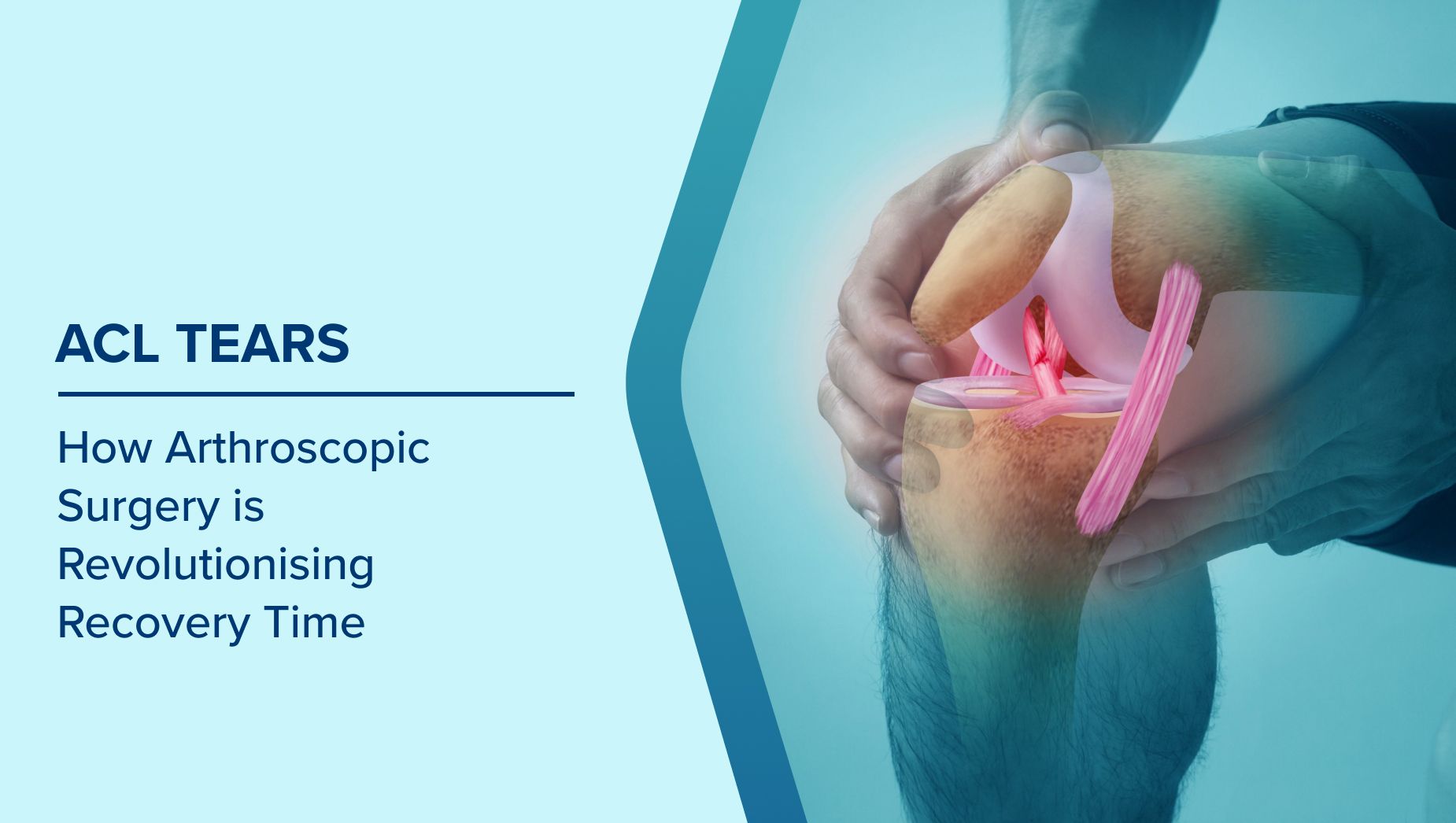
The ACL is one of four major ligaments in the knee, connecting the thigh bone (femur) to the shinbone (tibia) and providing stability during twisting or pivoting movements. ACL tears occur when the ligament is overstretched or torn, often during sudden stops, changes in direction, or direct impacts. Common scenarios include:
- Sports like football, basketball, or skiing
- Accidents causing sudden knee twists
- Improper landing from jumps or falls
Symptoms and Diagnosis
Recognising an ACL tear early helps ensure timely treatment and reduces the risk of further injury. Common signs include:
- A sudden “pop” in the knee at the time of injury
- Rapid swelling within hours
- Pain and difficulty walking or standing
- Knee instability or feeling that the knee may “give way”
Diagnosis is often confirmed through physical examinations, such as the Lachman test or pivot shift test, combined with imaging techniques like MRI scans. Early diagnosis ensures proper intervention, whether surgical or non-surgical.
Arthroscopic ACL Surgery: A Modern Approach
Arthroscopic ACL surgery is a minimally invasive procedure designed to repair or reconstruct a torn anterior cruciate ligament using small incisions and a tiny camera called an arthroscope.
The camera allows the surgeon to view the inside of the knee clearly and perform precise repairs with specialised instruments. This technique avoids large cuts, preserves surrounding tissues, and provides a clearer surgical field compared with traditional open surgery.
Advantages of Arthroscopic Surgery
This modern approach offers several benefits for patients:
- Quicker mobilisation: Smaller incisions and reduced tissue trauma allow patients to begin gentle movement exercises sooner.
- Less discomfort: Minimal disruption to surrounding tissues results in lower postoperative pain and swelling.
- Shorter hospital stays: Many patients can return home the same day, reducing the time spent in the hospital.
- Precision repair: The arthroscope enables accurate placement of grafts and reconstruction, improving long-term knee stability.
- Cosmetic benefit: Small incisions leave minimal scarring, making recovery less visually intrusive.
Rehabilitation and Recovery Timeline
Recovery after arthroscopic ACL surgery is structured and progressive. A typical timeline includes:
- Week 1–2: Focus on reducing swelling, regaining knee extension, and gentle walking with crutches.
- Weeks 3–6: Begin strength training exercises for quadriceps, hamstrings, and hip muscles. Full knee bending is achieved by 6 weeks.
- Weeks 6–12: Increase range-of-motion exercises, balance training, and low-impact activities like cycling or swimming.
- Months 3–6: Gradual return to more dynamic exercises, including jogging or light sport-specific drills.
- Months 6–9: Full return to sports is possible once strength, stability, and endurance are restored. Full knee bending is achieved by 6 weeks
Preventing ACL Injuries Post-Surgery
Preventing reinjury is equally important after recovery. Key strategies include:
- Strengthening exercises: Focus on quadriceps, hamstrings, and core muscles.
- Flexibility training: Stretching before and after workouts maintains joint mobility.
- Proper techniques: Learn correct landing, pivoting, and stopping methods during sports.
- Gradual load increase: Avoid sudden intensities that strain the knee.
These measures not only protect the reconstructed ACL but also improve overall knee health.
Emotional and Lifestyle Considerations
Recovering from an ACL injury can be physically and mentally challenging. Emotional stress, frustration, or fear of reinjury is common. Tips to manage these aspects include:
- Setting realistic recovery goals and milestones
- Staying engaged in social or professional activities
- Practising relaxation techniques and mindfulness
- Maintaining a balanced diet to support tissue healing and energy levels
Conclusion
Arthroscopic ACL surgery has revolutionised recovery for knee injuries, offering faster rehabilitation, reduced pain, and improved functional outcomes. Early diagnosis, structured physiotherapy, and preventive strategies post-surgery are essential for a full return to daily life and sports. By understanding the benefits of arthroscopy and following professional guidance, patients can confidently manage ACL tears and safeguard long-term knee health.
Frequently Asked Questions
Can ACL tears recur after surgery?
Yes, reinjury is possible, but following rehabilitation protocols and strengthening exercises significantly lowers the risk.
How long before I can return to competitive sports?
Most patients can resume full sports activity between six to nine months, depending on recovery progress and physiotherapy adherence.
Does arthroscopic surgery prevent future knee problems?
It reduces the risk of instability and reinjury but does not fully eliminate the chance of osteoarthritis or other knee issues later.
Are there alternatives to surgery for ACL tears?
For partial tears or low-activity individuals, physiotherapy, bracing, and lifestyle modifications may help manage symptoms without surgery.
How does age affect recovery after ACL surgery?
Younger patients often recover faster due to better tissue healing and muscle strength, while older adults may need extended rehabilitation.
Can I start physiotherapy immediately after arthroscopic ACL surgery?
Yes, gentle physiotherapy usually begins within days to promote mobility and reduce stiffness.
How can I prevent ACL injury in the future?
Strength training, flexibility exercises, proper techniques during sports, and gradual progression in intensity all help prevent future tears.
Will I need any assistive devices after arthroscopic ACL surgery?
Crutches or a knee brace may be used initially to support mobility, usually for a few weeks until strength and stability improve.
Written and Verified by:

Related Blogs


Dr. Ashish Jain In Orthopaedics & Joint Replacement
Nov 07 , 2020 | 1 min read
Blogs by Doctor
Most read Blogs


Related Blogs
Dr. Ashish Jain In Orthopaedics & Joint Replacement
Nov 07 , 2020 | 1 min read
Blogs by Doctor
Most read Blogs