 WhatsApp Us (24/7)
 +91 926 888 0303 (24/7)


To Book an Appointment
Call Us+91 926 888 03038 Weeks Pregnant? Here are 10 Things You Should Know
By Dr. Manju Khemani in Obstetrics And Gynaecology
Jan 05 , 2026 | 9 min read
4

At eight weeks pregnant, a lot is happening behind the scenes. Your baby is growing fast, and your body is working hard to keep up. Some women start feeling more connected to their pregnancy, while others are still adjusting to the symptoms that come with it. But what exactly does this stage mean for you and your baby? What should you expect, and how can you navigate this critical time with confidence? This blog breaks down 10 important things you need to know when 8 weeks pregnant. Let’s get into it.
1. Your Baby is the Size of a Raspberry
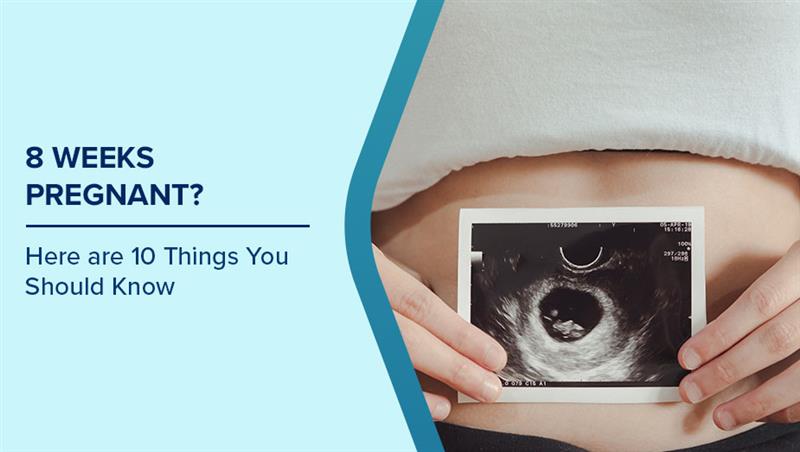
At eight weeks, your baby measures about 1.3 to 1.6 cm (0.5 to 0.6 inches) from crown to rump, roughly the size of a raspberry. Though still tiny, major developments are happening at a rapid pace.
Rapid Growth and Development
This stage marks a shift from an embryo to a more recognizable human form. The tail-like structure at the end of the spine is disappearing, and fingers and toes are beginning to separate, though they may still look webbed. Facial features, including the nose, lips, and eyelids, are taking shape, while tiny ears are becoming more defined.
Internal Changes
Inside, the baby’s heart is beating at around 150-170 beats per minute, which is about twice as fast as an adult’s. The brain is developing complex structures, and nerve cells are multiplying quickly. Major organs, including the liver, kidneys, and lungs, are beginning to function, and the digestive system is forming intestines.
Early Movements
Even though you won’t feel any kicks yet, your baby is already making small, spontaneous movements. These early twitches and jerks are caused by the developing muscles and nervous system.
At just eight weeks, your baby is growing at an incredible rate, and each day brings new changes that will continue shaping their development in the weeks ahead.
2. Prenatal Care is More Important Than Ever
At eight weeks, regular prenatal checkups play a crucial role in keeping both you and your baby healthy. Early care helps track your baby’s growth, manage symptoms, and detect any potential concerns before they become serious.
If you haven’t already, this is the time to schedule your first prenatal appointment. Your doctor will estimate your due date based on your last menstrual period, but you can also use a pregnancy calculator to get an idea of how far along you are and your due date.
During the visit, your doctor will:
- Confirm your pregnancy with an ultrasound.
- Estimate your due date based on your last menstrual period.
- Check your weight, blood pressure, and overall health.
- Discuss prenatal vitamins, diet, and lifestyle recommendations.
- Perform routine tests, such as blood work and urine analysis, to check for infections, Thyroid problems, Hemoglobin deficiencies, and blood sugar imbalances.
3. Morning Sickness May Peak Around This Time
At eight weeks pregnant, nausea and vomiting—commonly known as morning sickness—can be at their worst. This happens due to the following reasons:
- hCG Levels Are at Their Highest: Your body produces high amounts of this hormone in the first trimester to support your baby’s growth. Around weeks 8–10, these levels reach their peak, which can intensify nausea.
- Heightened Sensitivity to Smells and Tastes: Many women find that certain foods, fragrances, or even the thought of eating can trigger nausea.
- Slower Digestion: Pregnancy hormones relax the muscles in your digestive system, causing food to move more slowly, which can contribute to nausea and bloating.
4. Mood Swings Are Normal Due to Hormonal Changes
Emotional ups and downs can feel more intense around this time, and hormones are largely to blame. Rising estrogen and progesterone levels affect neurotransmitters in the brain, making you more sensitive to stress, excitement, or even minor frustrations
5. Your Uterus is Expanding, Even if it’s Not Visible Yet
Even though your belly might not show much change yet, a lot is happening internally. By eight weeks, your uterus has nearly doubled in size to accommodate your growing baby. This expansion can cause mild cramping, a feeling of fullness, or slight pressure in your lower abdomen. Some women also notice bloating due to hormonal changes slowing down digestion.
What to Expect as Your Uterus Grows
- Mild Cramps or Pulling Sensations: As the uterus stretches, you may feel light cramps or twinges. These are usually normal unless they become severe or are accompanied by heavy bleeding.
- Increased Need to Urinate: The expanding uterus presses against the bladder, making bathroom trips more frequent.
- Bloating and Gas: Slower digestion and fluid retention can make your stomach feel fuller than usual.
6. Nutrition Plays a Key Role in Your Baby’s Growth
What you eat during pregnancy directly impacts your baby’s development. At eight weeks, major organs, the brain, and the spinal cord are rapidly forming, making it essential to get the right nutrients. A well-balanced diet supports healthy growth, reduces pregnancy discomfort, and lowers the risk of complications. There is a saying that you are what your mother ate during pregnancy. You are deciding your baby's future by eating right. Baby is getting the expression of genes. If you eat the right selection of genes is better.
Key Nutrients
- Folic Acid: Helps prevent neural tube defects. Found in leafy greens, lentils, and fortified cereals.
- Protein: Supports cell growth and muscle development. Good sources include eggs, lean meats, beans, and dairy. Make sure that each meal has some protein, so plan your diet in advance.
- Iron: Helps carry oxygen to your baby. Include iron-rich foods like spinach, red meat, and legumes, pomegranate, beetroot, jaggery and chana, dates.
- Calcium: Essential for strong bones and teeth. Get it from dairy products, almonds, and leafy greens. Have half a litre of milk in any form you like or can digest.
- Omega-3 Fatty Acids: Support brain and eye development. Found in fish like salmon, chia seeds, and walnuts.2 walnuts a day should be sufficient.
Eating Well Without Overcomplicating It
- Eat Small, Frequent Meals: Helps with nausea and keeps energy levels steady.
- Eat two fruits every day to give you all the micronutrients.
- At each meal, eat salad.
- Stay Hydrated: Water aids digestion and prevents constipation. You have to increase water intake during pregnancy.
- Limit Processed Foods: Too much sugar and unhealthy fats can lead to unnecessary weight gain and fatigue 30% of patients may develop diabetes during pregnancy, so limit your sugar intake.
- Consider Prenatal Supplements: If needed, your doctor may recommend vitamins to fill any gaps in your diet.
Good nutrition in the early weeks lays the foundation for a healthy pregnancy—it’s worth paying attention to what’s on your plate!
7. Avoid These Things for A Healthy Pregnancy
At eight weeks, your baby is in a critical stage of development, and certain habits, foods, and substances can pose risks. Being mindful of what to avoid can help ensure a healthy pregnancy for both you and your baby.
Alcohol and Smoking
- Alcohol can increase the risk of birth defects and developmental issues. There’s no known safe amount, so it’s best to avoid it completely.
- Smoking reduces oxygen supply to your baby, increasing the risk of low birth weight, premature birth, and complications. If you need help quitting, talk to your doctor.
Excess Caffeine
High caffeine intake has been linked to miscarriage and low birth weight. Limit consumption to 200 mg per day. Opt for decaf, herbal teas, or fruit-infused water instead.
Certain Foods
- Raw or undercooked seafood, meat, and eggs can contain harmful bacteria like Salmonella or Listeria, which pose a risk to your baby.
- Unpasteurised dairy and soft cheeses (like brie, feta, and blue cheese) may carry listeria, which can lead to serious infections.
- High-mercury fish (like shark, swordfish, and king mackerel) can affect your baby’s brain development. Instead, choose low-mercury options like salmon or tilapia.
Certain Medications and Herbal Supplements
- Some over-the-counter and prescription medications aren’t safe during pregnancy. Always consult your doctor before taking any medication, even for minor issues like headaches or allergies.
- Be cautious with herbal supplements, as some may interfere with pregnancy.
Hot Tubs and Saunas
High temperatures from hot tubs, saunas, or long hot baths can raise your body temperature, which may increase the risk of birth defects in early pregnancy. Stick to warm (not hot) baths and avoid prolonged heat exposure.
8. Safe and Light Exercise Can Help With Pregnancy Symptoms
Staying active during pregnancy can make a big difference in how you feel. Light exercise can boost energy, improve mood, reduce nausea, and even help with common discomforts like bloating and back pain. At eight weeks, you don’t need an intense workout—simple, gentle movements are enough to support your body and growing baby.
Benefits of Exercise During Pregnancy
- Reduces Fatigue – Gentle movement can improve circulation and keep energy levels up.
- Eases Nausea – Light physical activity may help reduce morning sickness for some women.
- Supports Mental Well-being – Exercise releases endorphins, which can help with mood swings and stress.
- Promotes Better Sleep – Regular movement can make it easier to fall asleep and stay asleep.
- Prepares Your Body for Later Stages – Strengthening muscles now can help with posture and make carrying extra weight easier as your pregnancy progresses.
Safe Exercises to Try
- Walking – A simple and effective way to stay active without overexerting yourself.
- Prenatal Yoga – Helps with flexibility, relaxation, and stress relief. Should be done under guidance.
- Swimming – A low-impact way to strengthen muscles and ease joint pain. Backstroke is safe.
What to Avoid
- High-impact workouts, heavy lifting, or anything that puts too much strain on your body.
- Exercises that involve lying flat on your back for long periods.
- Activities with a high risk of falling, such as skiing or contact sports.
Always listen to your body—if you feel dizzy, overly tired, or experience pain, stop and rest. If you're unsure about which exercises are safe, check with your doctor before starting a routine.
9. Manage Pregnancy Symptoms With These Tips
Pregnancy at eight weeks can bring nausea, fatigue, bloating, and mood swings. These simple strategies may help:
- Eat regularly to reduce nausea: Small, frequent meals and bland foods like toast or crackers can help. Ginger tea or candies may also provide relief. Eating oranges also helps you feel better.
- Get enough rest to fight fatigue: Short naps, a steady sleep routine, and staying hydrated can boost energy. Light movement, like walking, may also help.
- Support digestion to ease bloating: Drinking water, eating fibre-rich foods, and staying active can prevent constipation.
- Take care of your mental well-being: Fresh air, gentle exercise, and talking to loved ones can help manage mood swings.
- Prioritise comfort: Loose, breathable clothing and good posture can prevent aches as your body changes.
10. Knowing When to Call Your Doctor Is Important
Pregnancy comes with many changes, but some symptoms may need medical attention. It’s always better to check with a doctor if something feels off.
- Severe nausea and vomiting – If you can’t keep food or water down, dehydration can become a risk.
- Heavy bleeding or intense cramping – Even small brownish discharge may not be normal.
- Severe dizziness or fainting – Occasional light-headedness is common, but persistent dizziness could signal a problem.
- Sharp or severe abdominal pain – Mild discomfort is expected as your uterus expands, but intense pain isn’t.
- High fever or chills – Infections can pose risks during pregnancy and should be addressed promptly.
If anything feels unusual or concerning, a doctor can provide the right guidance. Trust your instincts—it's always better to ask than to worry.
Consult Today
Pregnancy is an incredible journey, but it also comes with questions, concerns, and moments of uncertainty. As your body adjusts to these early changes, having the right medical support can make all the difference. Obstetricians at Max Hospital provide the care and guidance you need at every stage, ensuring both you and your baby stay healthy. If you have any concerns or simply want reassurance about your pregnancy, schedule a consultation today.
Written and Verified by:

Related Blogs

Dr. Manju Khemani In Obstetrics And Gynaecology
Oct 27 , 2020 | 3 min read

Dr. Neera Aggarwal In Obstetrics And Gynaecology , Nutrition And Dietetics
Nov 07 , 2020 | 7 min read
Blogs by Doctor
How effective is it to prevent unwanted pregnancies?
Dr. Manju Khemani In Obstetrics And Gynaecology
Oct 27 , 2020 | 3 min read

What Can We Do To Increase Chances Of Normal Delivery?
Dr. Manju Khemani In Obstetrics And Gynaecology
Nov 13 , 2020 | 13 min read
Most read Blogs

Related Blogs
Dr. Manju Khemani In Obstetrics And Gynaecology
Oct 27 , 2020 | 3 min read
Dr. Neera Aggarwal In Obstetrics And Gynaecology , Nutrition And Dietetics
Nov 07 , 2020 | 7 min read
Blogs by Doctor
How effective is it to prevent unwanted pregnancies?
Dr. Manju Khemani In Obstetrics And Gynaecology
Oct 27 , 2020 | 3 min read
What Can We Do To Increase Chances Of Normal Delivery?
Dr. Manju Khemani In Obstetrics And Gynaecology
Nov 13 , 2020 | 13 min read
Most read Blogs