 WhatsApp Us (24/7)
 +91 926 888 0303 (24/7)


To Book an Appointment
Call Us+91 926 888 03037-Week Pregnant? Here’s Everything You Need to Know
By Dr. Yashica Gudesar in Obstetrics And Gynaecology
Jan 05 , 2026 | 7 min read
6

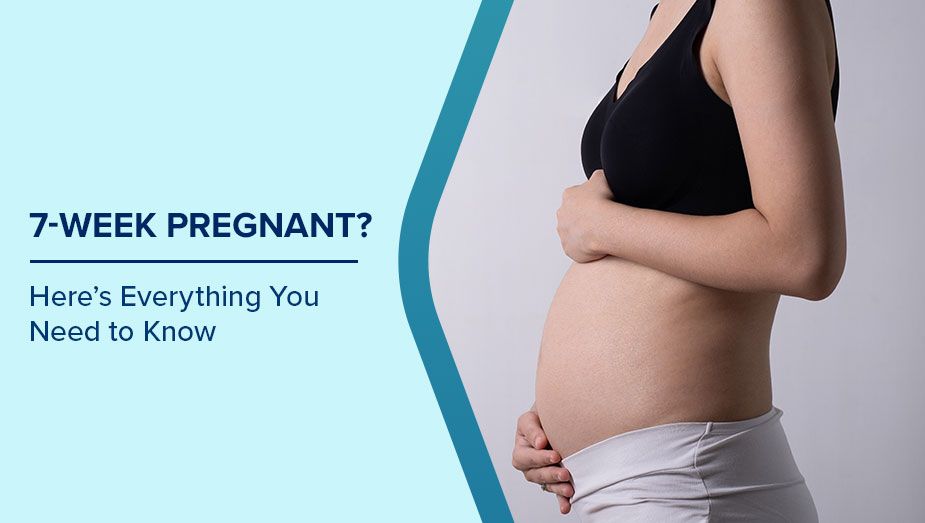
Seven weeks in, pregnancy is starting to feel more real; symptoms such as nausea, fatigue, and mood swings may be more noticeable now, making everyday routines a little more challenging. Meanwhile, inside, the baby is growing rapidly; tiny limbs are forming, facial features are taking shape, and the heart is beating steadily. With so many changes happening at once, it’s natural to have questions about what to expect next. This blog covers baby development, common symptoms, body changes, and essential health tips for this stage of pregnancy.
Common Symptoms at 7 Weeks of Pregnancy
At 7 weeks pregnant, symptoms may become more noticeable as hormone levels continue to rise. While every pregnancy is different, some of the most common symptoms include:
- Nausea and Morning Sickness: Feeling nauseous, with or without vomiting, is common at this stage. It can happen at any time of the day and may be triggered by certain smells or foods.
- Fatigue and Sleepiness: The body is working hard to support the developing baby, leading to extreme tiredness. Resting when needed and maintaining a balanced diet can help manage energy levels.
- Breast Tenderness and Changes: Hormonal shifts may cause breasts to feel swollen, sore, or more sensitive than usual. The nipples may darken, and breast size may increase.
- Frequent Urination: Increased blood flow to the kidneys and hormonal changes can lead to more frequent trips to the bathroom. This is a normal part of early pregnancy and may continue as the baby grows.
- Bloating and Mild Cramping: The digestive system slows down due to pregnancy hormones, leading to bloating. Some mild cramping may also occur as the uterus expands, but severe pain should be checked by a doctor.
- Mood Swings and Emotional Changes: Hormonal fluctuations can cause heightened emotions, from excitement to irritability. Getting enough rest and seeking support from loved ones can help manage these changes.
- Food Cravings and Aversions: Sudden cravings for certain foods or an aversion to previously liked foods are common. Eating a balanced diet while listening to the body’s cues can help maintain nutrition.
- Metallic Taste in the Mouth: Some women experience a strange, metallic taste, which is thought to be linked to pregnancy hormones. Staying hydrated and chewing gum may help reduce the sensation.
How Is the Baby Developing at 7 Weeks?
At 7 weeks, the baby is growing rapidly, with major organs and body structures taking shape. Here’s a look at what’s happening inside the womb:
- Size and Growth: The baby is now about the size of a blueberry, measuring around 1 cm in length. Rapid growth continues as major organs and body systems develop.
- Heart Development: The heart is fully formed and beating at nearly twice the mother’s heart rate. It can often be detected on an ultrasound at this stage.
- Brain and Nervous System: The brain is growing quickly, with the forebrain, midbrain, and hindbrain taking shape. Nerve cells are forming connections that will later control movement and reflexes.
- Facial Features: Eyes, nostrils, and the beginnings of the ears are becoming more defined. The mouth and tongue are also starting to develop.
- Limb Formation: Tiny buds that will become arms and legs are growing longer. The beginnings of hands and feet are forming, though fingers and toes are not yet fully separated.
- Umbilical Cord Function: The umbilical cord is now supplying oxygen and nutrients while removing waste. It plays a crucial role in the baby’s survival and development.
- Digestive and Respiratory Development: The intestines are beginning to form, and the lungs are starting to develop their early structures.
- Movement (Though Not Felt Yet): The baby is starting to make small movements, but they are too tiny to be felt at this stage.
At this stage, many parents start estimating their due date and tracking fetal development using a pregnancy calculator. This tool provides an estimate based on the last menstrual period.
What Changes Happen in the Mother's Body?
The body is going through several changes to support the growing baby. Many of these are driven by hormonal shifts and increased blood flow.
- Uterus Expansion: The uterus is gradually increasing in size, though it may not be noticeable externally yet. This growth can cause mild cramping or a stretching sensation.
- Increased Blood Volume: More blood is circulating to provide oxygen and nutrients to the baby. As a result, veins may become more visible, especially on the breasts and legs.
- Breast Changes: Hormonal fluctuations can make the breasts feel swollen, sore, or more sensitive. The areolas may darken, and veins may appear more prominent.
- Skin Changes: Some women notice a healthy glow due to increased blood flow and oil production, while others may experience breakouts.
- Digestive Changes: Slower digestion can lead to bloating, constipation, or increased gas, making some foods harder to tolerate.
- Heightened Sense of Smell: Everyday scents may seem stronger, sometimes triggering nausea or food aversions.
- Increased Vaginal Discharge: A thin, milky-white discharge called leukorrhea helps prevent infections and keeps the vagina healthy.
What Lifestyle Changes Should You Consider at 7 Weeks of Pregnancy?
As pregnancy progresses, certain lifestyle adjustments can help support overall health and the baby’s development. Here are some key changes to consider:
- Nutrition and Hydration: Eating a balanced diet rich in fruits, vegetables, whole grains, and protein provides essential nutrients. Staying hydrated helps with digestion and reduces fatigue.
- Prenatal Vitamins: Taking a prenatal vitamin with folic acid supports brain and spinal cord development. A doctor can recommend the right supplement.
- Physical Activity: Gentle exercises like walking or prenatal yoga can improve circulation, reduce stress, and ease common pregnancy discomforts. Strenuous workouts should be avoided unless approved by a doctor.
- Sleep and Rest: Fatigue is common, so getting enough rest is essential. A consistent sleep routine and comfortable sleeping positions can help manage tiredness.
- Managing Stress: Relaxation techniques such as deep breathing, meditation, or light stretching may help reduce stress and improve emotional well-being.
- Choosing the Right Footwear: Wearing comfortable, soft-soled shoes is important to support your changing body. Avoid high heels, as they can strain your back and affect balance.
- Safe Cosmetics Choices: Avoid harmful cosmetics with strong chemicals, as they can be absorbed through the skin. Opt for herbal or organic products to minimize exposure to toxins.
- Dressing for Comfort: Since body temperature tends to be slightly higher during pregnancy, layering clothes can help regulate warmth and prevent sudden temperature changes. Choose breathable fabrics to stay comfortable.
- Avoiding Harmful Substances: Alcohol, smoking, and excessive caffeine should be avoided, as they can affect the baby’s development. Limiting processed foods and high-sugar snacks is also beneficial.
- Medical Check-Ups: Regular prenatal visits help monitor health and address any concerns early. A doctor may also recommend necessary screenings and lifestyle adjustments.
When To Consult A Doctor?
Regular prenatal check-ups are essential, but certain symptoms may require immediate medical attention. Contact a doctor if you experience:
- Severe Nausea and Vomiting: Persistent vomiting that leads to dehydration or prevents you from keeping food down could indicate hyperemesis gravidarum.
- Intense Abdominal Pain or Cramping: Mild cramping is normal, but severe or persistent pain may be a sign of complications.
- Heavy Bleeding or Spotting: Light spotting can be common, but heavy bleeding or passing clots should be evaluated.
- High Fever or Chills: A fever above 38°C (100.4°F) along with chills may indicate an infection that requires treatment.
- Severe Dizziness or Fainting: Occasional dizziness is common, but frequent fainting spells may suggest low blood pressure or another underlying issue.
- Painful Urination or Unusual Discharge: Burning during urination, strong-smelling discharge, or pelvic pain could indicate a urinary tract or vaginal infection.
- Sudden Swelling in the Hands, Feet, or Face: Mild swelling is normal, but sudden or excessive swelling may require medical evaluation.
Consult Today
Pregnancy brings constant changes, and at 7 weeks, the body is adjusting in many ways. Some symptoms may be expected, while others can feel overwhelming. Keeping up with regular check-ups, following a healthy routine, and understanding what to expect can make this stage more manageable. If anything feels unusual or uncertain, consulting a specialist at Max Hospital can provide the right support and guidance. Booking an appointment ensures any concerns are addressed, helping you stay prepared for the journey ahead.
Frequently Asked Questions
Are mood swings common at this stage?
Yes, mood swings are common due to hormonal changes, fatigue, and early pregnancy adjustments. Sudden shifts between excitement, anxiety, or irritability are normal. Getting enough rest, eating well, and finding ways to relax can help manage emotional ups and downs.
What should I do if I accidentally eat something unsafe for pregnancy?
If you consume something that is not recommended during pregnancy, such as undercooked meat, raw seafood, or unpasteurised dairy, monitor for any unusual symptoms like nausea, vomiting, or fever. If you feel unwell or are unsure about the risks, consult a doctor for further advice.
Can I continue drinking herbal teas?
Some herbal teas, like ginger or peppermint, are generally safe in moderation, but others may not be suitable during pregnancy. Certain herbs can affect hormone levels or cause contractions. It’s best to check with a doctor before consuming herbal teas regularly.
Is it safe to dye my hair or get beauty treatments?
Most hair dyes are considered safe after the first trimester, but some women prefer to wait or use ammonia-free and low-chemical options. Treatments involving strong chemicals, like certain skin peels or laser procedures, should be avoided. A doctor can advise on safe beauty options during pregnancy.
Should I avoid lifting heavy objects?
Lifting heavy objects can strain the back and abdominal muscles, increasing the risk of discomfort or injury. If lifting is necessary, using proper posture and avoiding sudden movements can help. It’s best to avoid lifting anything too heavy, especially as pregnancy progresses.
Written and Verified by:

Related Blogs

Dr. Manju Khemani In Obstetrics And Gynaecology
Oct 27 , 2020 | 3 min read

Dr. Neera Aggarwal In Obstetrics And Gynaecology , Nutrition And Dietetics
Nov 07 , 2020 | 7 min read
Blogs by Doctor

How To Prevent Cervical Cancer: Role of Gynecologists
Dr. Yashica Gudesar In Obstetrics And Gynaecology
Jan 19 , 2024 | 4 min read

What is Placenta Previa? Everything Expecting Mothers Need to Know
Dr. Yashica Gudesar In Obstetrics And Gynaecology
Apr 14 , 2025 | 9 min read
Most read Blogs

Related Blogs
Dr. Manju Khemani In Obstetrics And Gynaecology
Oct 27 , 2020 | 3 min read
Dr. Neera Aggarwal In Obstetrics And Gynaecology , Nutrition And Dietetics
Nov 07 , 2020 | 7 min read
Blogs by Doctor
How To Prevent Cervical Cancer: Role of Gynecologists
Dr. Yashica Gudesar In Obstetrics And Gynaecology
Jan 19 , 2024 | 4 min read
What is Placenta Previa? Everything Expecting Mothers Need to Know
Dr. Yashica Gudesar In Obstetrics And Gynaecology
Apr 14 , 2025 | 9 min read
Most read Blogs