 WhatsApp Us (24/7)
 +91 926 888 0303 (24/7)


To Book an Appointment
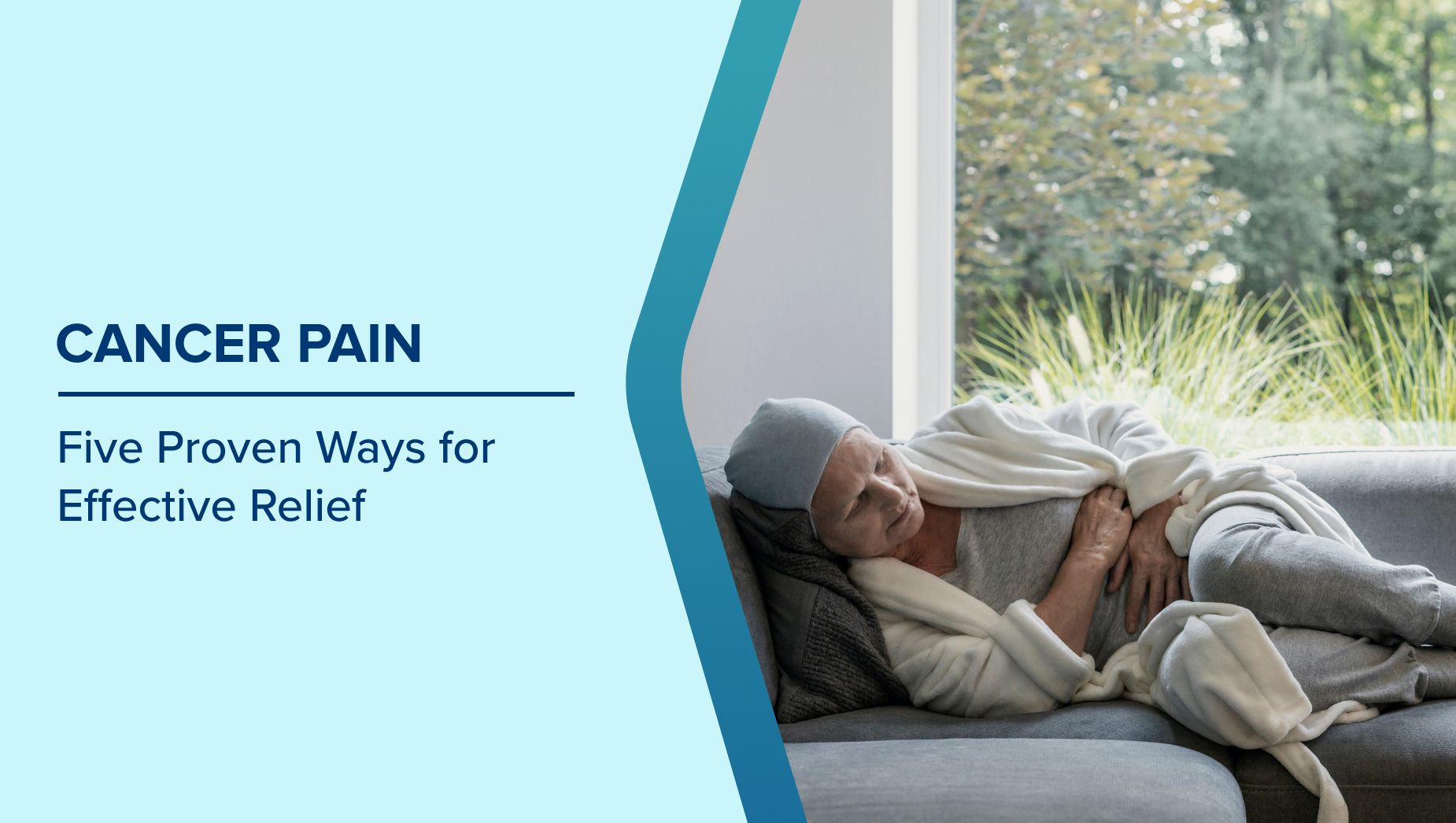
Call Us+91 926 888 0303Cancer Pain: Five Proven Ways for Effective Relief
By Dr Saipriya Tewari in Pain Management , Palliative Care
Oct 22 , 2025 | 5 min read

Living with cancer is a deeply personal journey, and one of the most challenging aspects for many patients is managing pain. Cancer pain can affect daily comfort, sleep, mood, and overall quality of life. The positive aspect is that today’s pain management methods have become much more advanced and effective, allowing most people to find significant relief and live more comfortably through treatment and recovery.
Pain relief is not about masking symptoms; it is about restoring dignity, improving function, and helping patients focus on healing and emotional well-being. Understanding the options available empowers patients and their families to take control of this crucial part of care.
Understanding Cancer Pain
Cancer pain can occur for various reasons. It may result from the cancer itself, pressing on nerves, organs, or bones, or from treatments such as surgery, chemotherapy, or radiation therapy. The level of pain varies from person to person; some may experience mild, occasional discomfort, while others face ongoing, intense pain that needs active management.
Effective pain management involves a combination of medical and supportive treatments, tailored to each patient’s specific needs. The goal is not only to relieve pain but also to enhance physical and emotional well-being throughout the cancer journey.
Medication-Based Pain Relief
Medications are often the first step in controlling cancer-related pain. Doctors carefully choose the right type and dose depending on the source and severity of discomfort.
- Non-opioid medicines: For mild to moderate pain, drugs such as paracetamol or nonsteroidal anti-inflammatory medicines (NSAIDs) can be effective. These are often used in early stages or when pain is linked to inflammation.
- Opioid medicines: In cases of moderate to severe pain, stronger medications such as morphine or fentanyl may be prescribed. These help manage pain that does not respond to other treatments. When used under proper medical guidance, opioids can be safe and significantly improve quality of life.
- Adjuvant medicines: Sometimes, medicines used for other conditions, such as antidepressants or anticonvulsants, are included to control nerve-related pain or side effects.
Regular monitoring is vital to adjust doses, manage tolerance, and prevent side effects like constipation or drowsiness. The aim is to find the right balance where pain relief is maximised and discomfort from medication is minimal.
Nerve Blocks and Advanced Pain Procedures
For pain that does not respond adequately to medication, advanced pain management options such as nerve blocks can offer powerful relief.
A nerve block involves injecting a local anaesthetic or other pain-relieving substance near a nerve or group of nerves that transmit pain signals. By temporarily interrupting these signals, the procedure can bring lasting comfort.
In certain situations, doctors may use epidural injections or spinal analgesia to target deep-seated pain in the back, abdomen, or pelvis. These procedures are carried out by pain management experts using imaging techniques to ensure accuracy and safety.
Nerve blocks and other advanced interventions are minimally invasive, meaning recovery time is short. They are often used to help patients stay active and reduce the need for high doses of pain medicines.
Physical and Rehabilitation Therapies
Pain can limit movement, but inactivity can make stiffness and fatigue worse. Physical and rehabilitation therapies help patients stay mobile and comfortable.
A trained physiotherapist can create a gentle exercise plan to stretch muscles, strengthen joints, and improve posture. Light movement improves blood flow and reduces discomfort caused by immobility.
Massage therapy and heat application can help relax tight muscles, while occupational therapy assists patients in performing daily activities more comfortably.
These physical therapies not only help relieve pain but also boost mood and energy levels, creating a sense of control over one’s body. When done consistently under guidance, they make a meaningful difference to recovery and well-being.
Mind-Body and Relaxation Techniques
Pain is not just a physical experience; it also has emotional and mental dimensions. Stress, anxiety, and fear can heighten the feeling of pain. Mind-body techniques help reduce this emotional strain and encourage a calmer, more balanced state.
- Mindfulness and meditation: Simple breathing exercises or guided meditation can lower tension, promote relaxation, and help patients feel more in control of their pain.
- Progressive muscle relaxation: This technique involves tightening and then relaxing various muscle groups, helping the body ease tension and achieve a sense of lightness.
- Guided imagery: Focusing on calming images or positive thoughts can divert attention from pain and promote relaxation.
- Music or art therapy: Engaging in creative activities, such as listening to music or creating art, offers emotional comfort and provides a healthy outlet for expression, complementing medical care.
Including these practices in daily life does not replace medication but supports its effectiveness by relaxing the nervous system and helping individuals cope better with pain.
Integrative and Supportive Therapies
Alongside medical treatments, many patients find relief through integrative approaches that complement traditional care.
- Aromatherapy and relaxation massage: The soothing effect of essential oils and gentle touch can promote relaxation and ease stress.
- Heat and cold therapy: Applying warm compresses to stiff muscles or cold packs to inflamed areas can offer quick relief for localised pain.
- Nutrition and hydration: Consuming a balanced diet and staying well-hydrated can help reduce fatigue and inflammation, thereby supporting the body’s healing process.
- Sleep and rest: Quality rest allows the body to recover and lowers pain sensitivity. Setting a calming bedtime routine can make a big difference in comfort and mood.
Integrative therapies should always be discussed with the care team to ensure they are safe and compatible with ongoing cancer treatments.
When to Seek Professional Pain Management
It is essential to inform your doctor if pain persists despite home or medical management. Persistent or worsening pain can be a sign that your treatment plan needs adjusting.
Seek immediate professional advice if:
- Pain becomes severe or constant.
- There are new or unexplained sensations, such as burning or tingling.
- Pain interferes with sleep, appetite, or movement.
Specialists in pain or palliative care can recommend new medications, adjust existing ones, or explore interventional techniques to ensure maximum comfort. The goal is always to help patients live as fully and comfortably as possible.
Conclusion
Pain management in cancer care is about more than easing physical symptoms; it is about improving life quality, restoring independence, and supporting emotional strength. With a combination of medical treatments, physical therapy, relaxation methods, and supportive care, most people can achieve meaningful relief.
Every patient deserves a pain-free journey where comfort and dignity are prioritised. Open communication with healthcare providers and timely intervention are key steps toward reclaiming control and peace of mind during cancer treatment.
Frequently Asked Questions
Can cancer pain be completely cured?
Cancer pain can often be effectively controlled, even if not completely eliminated. The goal of treatment is to keep discomfort to a minimum and maintain quality of life.
Is cancer pain always linked to tumour growth?
Not always. Pain can also result from treatments such as surgery, chemotherapy, or nerve irritation. Your doctor can identify the cause and plan appropriate management.
Are pain medications safe for long-term use?
Yes, when prescribed and monitored by a healthcare professional. Regular follow-ups help manage side effects and ensure safe, effective relief.
How can caregivers help manage cancer pain at home?
Caregivers can assist by tracking medication schedules, creating a calm environment, encouraging movement, and ensuring open communication with the care team.
What lifestyle changes can make pain management more effective?
Eating nutritious foods, staying hydrated, maintaining gentle physical activity, and practising relaxation techniques can all enhance comfort and reduce pain sensitivity.
Written and Verified by:

Related Blogs

Dr. Amod Manocha In Pain Management
Oct 27 , 2020 | 1 min read

Dr. Manish Marda In Pain Management
Jun 30 , 2017 | 20 min read
Blogs by Doctor
Chronic and Cancer Pain: Myths Busted!
Dr Saipriya Tewari In Pain Management , Palliative Care
Oct 22 , 2025 | 2 min read

Most read Blogs


Related Blogs
Dr. Amod Manocha In Pain Management
Oct 27 , 2020 | 1 min read
Dr. Manish Marda In Pain Management
Jun 30 , 2017 | 20 min read
Blogs by Doctor
Chronic and Cancer Pain: Myths Busted!
Dr Saipriya Tewari In Pain Management , Palliative Care
Oct 22 , 2025 | 2 min read
Most read Blogs